Jewish Film Institute Reveals 2026 Grant Recipients & San Francisco Jewish Film Festival Award Winners
Published August 4, 2026 · WORLD

The Jewish Film Institute unveiled on Tuesday both the recipients of its coveted 2026 grants as well as the winners of the 46th San Francisco Jewish Film Festival’s juried and audience awards. The grantees are: The 46th San Francisco Jewish Film Festival Awar…
The Jewish Film Institute (JFI) has disclosed the recipients of its 2026 grants alongside the awardees of the 46th San Francisco Jewish Film Festival (SFJFF), marking a significant moment for independent cinema that explores Jewish culture and identity.
In a move that underscores its commitment to nurturing diverse storytelling, JFI has allocated $95,000 across seven film projects originating from the United States, Israel, France, Canada, Palestine, and the United Kingdom. These projects span a variety of formats, including feature-length documentaries, animated shorts, and hybrid films, each selected for their innovative narrative approaches and their capacity to broaden public insight into Jewish life.
Related stories
Cellist Racheli Galay to head Jewish Music master’s programme in Jerusalem
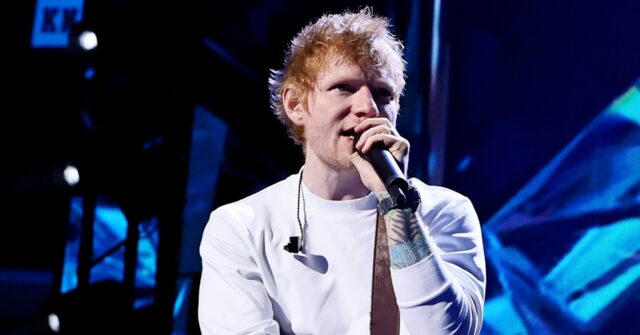 Ed Sheeran Addresses Macklemore Scandal: ‘Oct. 7 Was Horrific, Compounded Centuries of Jewish Pain. What Is Happening in Gaza Is Unjustifiable’
This latest round of grants continues a trend since 2020, during which JFI has invested a total of $575,000 in 44 international projects. The jury for 2026 comprised esteemed SFJFF alumni filmmakers Rachel Israel, Daniel Robbins, Dan Sturman, Sam Feder, alongside acclaimed film composer Miriam Cutler, all bringing a wealth of experience to the selection process.
The jurors highlighted the emotional depth and thematic range of the chosen films, noting their exploration of both intimate human experiences and larger global conflicts. The awarded projects reflect a shared humanistic vision, emphasizing storytelling as a tool for fostering empathy and reflecting core values associated with Jewish heritage.
Among the grant recipients is "The Animated Mind of Oliver Sacks," a collaborative UK-US project directed by Dempsey Rice. This animated documentary unveils newly discovered archives to chart the early career of neurologist Oliver Sacks, portraying his journey from isolation to empathy in clinical practice. This film received the Harvey Goldberg Memorial Award for its contribution to expanding understanding of Jewish life.
Another notable project, "The Day After," directed by Yuval Orr and Aziz Abu Sarah, follows Palestinians and Israelis traveling to Northern Ireland to study peace-making efforts. Set against a backdrop of escalating violence in their homelands, the film received the Envision Award for addressing societal complexities and countering prejudice.
From Israel and Palestine comes "The Monument," directed by Naama Shohet, which intertwines personal and political conflict through the story of a woman grappling with family tensions and fears for future generations amid ongoing war. Meanwhile, "The Opera," a joint Israeli-Canadian production by Ran Tal, documents the resilience of Tel Aviv’s opera community amid war and protests, earning the Albert & Judith Goldberg Award for Jewish Arts & Culture.
The United States is represented by two projects: "Our Home Is Not of This World," directed by Russ Finkelstein, which focuses on the vital yet often unseen work of a Texas medical examiner identifying border-crossing deaths; and "Postmortem," a hybrid documentary and theater project helmed by Marilyn Ness, which presents a crime drama centered on trauma and secrecy. The former won the Jonathan Logan Family Foundation Tikkun Olam Award, recognizing its emphasis on justice and collective responsibility.
Another intimate narrative, "The Woman Who Didn’t Know How to Love," directed by Rotem Dimand, explores a three-generation family reconciliation through the discovery of a hidden archive. This film, like others, reflects the festival’s dedication to storytelling that delves into personal histories within Jewish communities.
In parallel with the grant announcements, the SFJFF celebrated audience favorites and jury-selected winners. "The Wedding Entertainer (or the Tale of Moishe Badhan)," a comedic narrative from Israel by Gidi Dar, captured the narrative audience award with its story of a Hasidic wedding comedian seeking redemption.
The documentary audience choice went to "Dust Bowls and Jewish Souls: Another Side of Woody Guthrie," a US premiere by Steven Pressman, which reveals lesser-known facets of the American folk legend’s Jewish connections.
The festival also inaugurated its First Feature Award, bestowed upon Simon Mendes’ "The Darkest Light," a US premiere probing the legacy of Rabbi Shlomo Carlebach amid posthumous abuse allegations. Additionally, the San Francisco Bay Area Film Critics Circle recognized "Oxygen," an Israeli film by Netalie Braun, for its poignant depiction of a mother confronting impending wartime loss.
Short films were also honored, with "Elijah" by Sam Roebling receiving best narrative short and Alison Klayman’s "Scenes from the Divide," a documentary short exploring Jewish identity debates in New York politics, earning recognition.
Collectively, these grants and awards illustrate the Jewish Film Institute and SFJFF’s ongoing mission to support filmmakers who fuse artistic innovation with meaningful cultural exploration. Their selections highlight the evolving landscape of Jewish cinema, emphasizing stories that challenge, resonate, and invite audiences to engage with complex narratives of identity, conflict, and hope.
Full story & global impact
This article was synthesized and rewritten by MusicTop Editorial from reporting published by deadline.com. Read the publisher's report for the complete source context.
Read original source: deadline.com