Tupac Shakur murder suspect takes center stage at trial nearly 30 years after shooting shocked music world
Published August 10, 2026 · WORLD
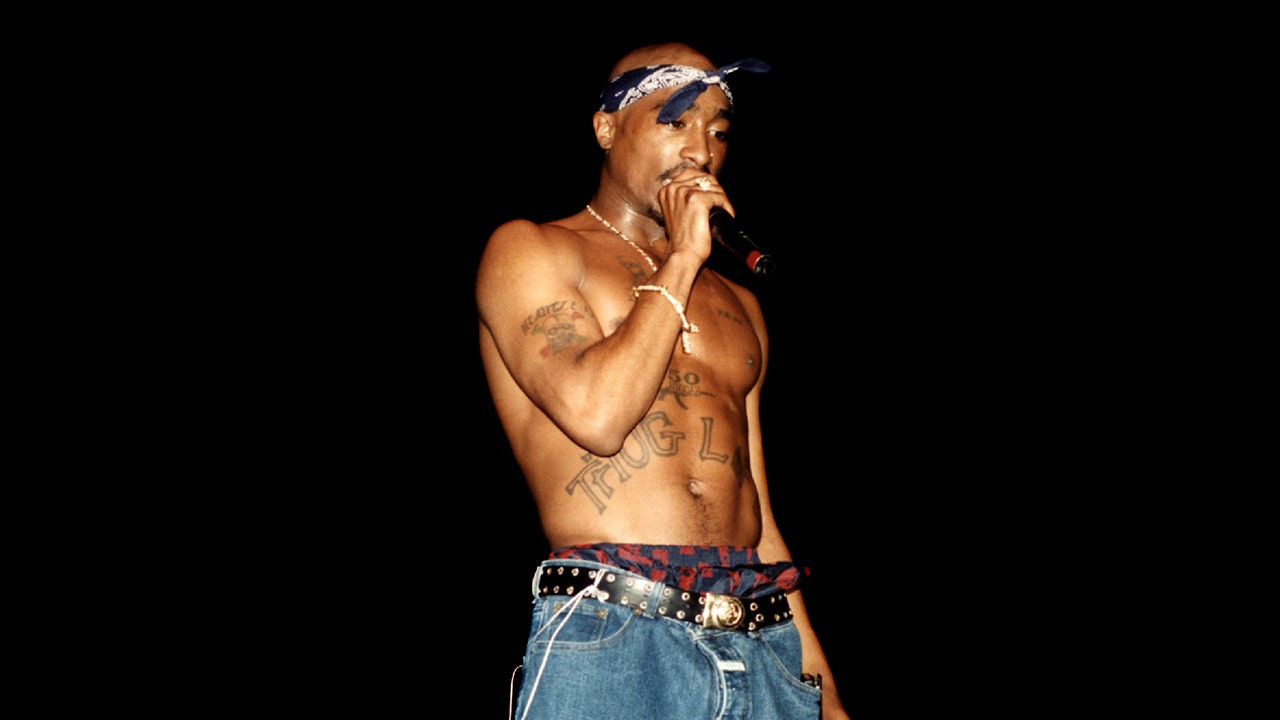
Duane Davis stands trial for Tupac Shakur's 1996 Las Vegas drive-by shooting, with prosecutors citing his memoir and past statements as key evidence.
Nearly three decades after the tragic shooting of iconic rapper Tupac Shakur in Las Vegas, the legal spotlight has finally turned to Duane "Keffe D" Davis, the sole individual charged in connection with the case. At 63 years old, Davis is slated to stand trial for murder in relation to the 1996 drive-by attack that claimed Shakur's life, a momentous event that reverberated throughout the music world.
Shakur, widely recognized as one of hip-hop’s most influential figures, was shot on September 7, 1996, while traveling in a BMW along the Las Vegas Strip. The vehicle was driven by Marion "Suge" Knight, co-founder of Death Row Records. Shakur succumbed to his injuries six days later at the age of 25, leaving a lasting void in the music industry.
Related stories

The circumstances surrounding the shooting are linked to an altercation earlier that evening at the MGM Grand. Shakur, Knight, and their entourage engaged in a physical confrontation with Orlando "Baby Lane" Anderson, identified as Davis' nephew and affiliated with the South Side Compton Crips. Following the incident, prosecutors allege that Davis, Anderson, Deandrae "Freaky" Smith, and Terry "Bubble Up" Brown proceeded in a white Cadillac that pulled up alongside Shakur’s vehicle, from which gunfire was discharged.
While Anderson has long been suspected as the individual who fired the fatal shots, evidence has also suggested that Smith could have been the shooter. However, Davis remains the only living participant among the four alleged assailants, placing him at the center of prosecutorial focus. Authorities contend that Davis orchestrated the attack and supplied the firearm used during the shooting, though he is not accused of personally pulling the trigger.
Davis has openly discussed his presence in the Cadillac during the incident and has referenced the event in his 2019 memoir, "Compton Street Legend." Prosecutors intend to utilize his past statements and interviews as key evidence to establish his involvement in planning the ambush. Despite this, his defense team argues that some of his public remarks were exaggerated and contests the admissibility of certain police interview statements made in 2008.
A Nevada judge has permitted the inclusion of Davis’ police interview and parts of his memoir as evidence in the trial, which is expected to extend over approximately four weeks. The defense's previous motion to dismiss the charges was unsuccessful, with their argument suggesting Davis may have inflated his role in the incident for personal notoriety.
The trial's progression marks a significant moment in a case that has remained unresolved for decades. The murder of Tupac Shakur has often been compared to a cultural watershed akin to a high-profile assassination, extensively analyzed, mythologized, and commercially exploited. The forthcoming trial seeks to shed new light on the enduring questions surrounding the circumstances of Shakur’s death.
Tupac Shakur's legacy endures through his extensive discography, including over 75 million records sold worldwide and timeless hits such as "California Love," "Changes," and "Dear Mama." His death, followed six months later by the killing of fellow rapper The Notorious B.I.G., marked a turbulent and violent era in hip-hop history.
Despite the passage of time, Davis’ upcoming trial underscores ongoing efforts by law enforcement and prosecutors to resolve one of music’s most infamous cold cases. Details surrounding the full extent of Davis’ involvement and the exact sequence of events on that night remain subjects of close scrutiny as the judicial process unfolds.
Full story & global impact
This article was synthesized and rewritten by MusicTop Editorial from reporting published by foxnews.com. Read the publisher's report for the complete source context.
Read original source: foxnews.com