Three-time Olympian Lolo Jones says Team USA 'abandoned' her after harrowing spinal injury
Published August 12, 2026 · WORLD
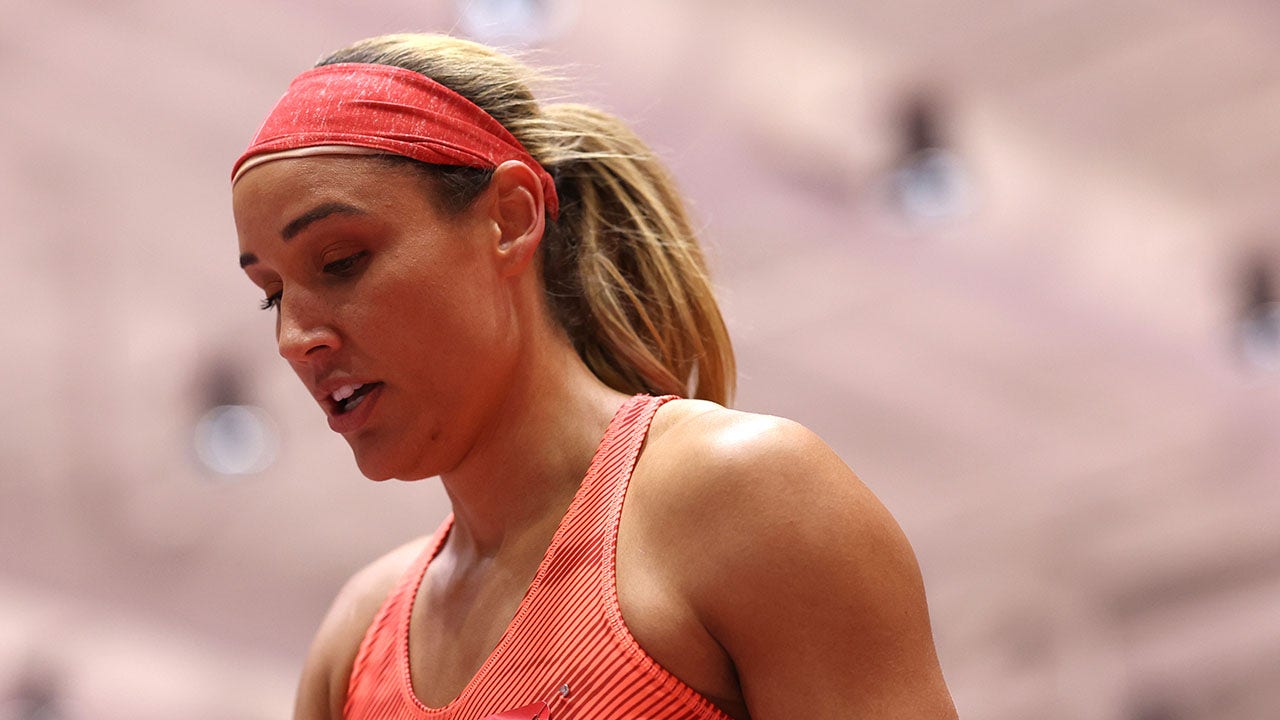
Lolo Jones says Team USA banned her from the Olympic training center after she demanded medical care for alarming spinal symptoms in Lake Placid.
Lolo Jones, the accomplished Olympian who competed in both Summer and Winter Games, has publicly revealed a traumatic experience involving a spinal injury and subsequent treatment denial by Team USA officials. In early 2025, during a bobsled equipment test at the Olympic training facility in Lake Placid, New York, Jones suffered severe lower back pain and bladder control issues, symptoms indicative of a serious spinal condition.
Despite immediate reports to the athletic trainer, Jones alleges that the head of sports medicine at the facility canceled a scheduled treatment because she had already received care earlier that week. Unaware of the cancellation, Jones arrived for the appointment distressed and physically impaired, just days before a major championship.
Related stories
 Quote of the Day by Gwen Stefani: “Act as young as you feel. You're not getting older...'- A beautiful lesson on confidence, self-acceptance, ageing gracefully, and living life on your own terms by the American singer-songwriter and three-time Grammy Award winner
 Garret Anderson dies at 53: Angels outfielder was three-time MLB All-Star, 2002 World Series champ
Following this incident, Jones reports that officials revoked her access not only to medical services but also to the entire Olympic training complex, including rehabilitation centers, gyms, housing, and training tracks. The official explanation cited a code of conduct violation, but Jones says she was never informed of the specific rules she allegedly breached nor given a formal hearing.
Jones’s account suggests that the symptoms she experienced—severe back pain and loss of bladder control—aligned with medical warnings for cauda equina syndrome, a neurological emergency that requires prompt diagnosis and treatment to prevent permanent disability. Nonetheless, she was not evaluated with imaging or diagnosed at the training center, leading her to continue competing while managing pain independently.
She procured pain medication from her personal physician and returned to competition at the World Championships alongside pilot Elana Meyers Taylor. The team finished sixth after four runs, with Jones indicating that she was unaware of the full extent of her injury, which later was confirmed by an MRI she privately financed revealing a herniated disc, disc bulges, lumbar tears, and a cerebrospinal fluid leak.
Subsequent spinal surgery and rehabilitation were also funded out of pocket by Jones, who estimates her related expenses at approximately $100,000. Her financial burden highlights the precarious economic conditions many Olympic bobsled athletes face, who often rely on modest stipends and external income streams to support their training and competition costs.
Jones contends that her ordeal exposes systemic deficiencies in athlete medical care and due process protections within U.S. Olympic governance. She stresses the need for accessible grievance mechanisms and transparent medical protocols to prevent future occurrences where athletes might be deprived of essential care or unjustly penalized without clear justification.
The situation has also prompted Jones to reconsider her perspective on the Olympic movement and its treatment of athletes. Once envisioning a family legacy involving Olympic participation, she now expresses a reluctance to encourage her children to pursue elite sports under the current conditions.
This episode raises critical questions about athlete welfare, medical oversight, and institutional accountability in high-performance sports. While Jones’s claims remain to be independently verified by Team USA or governing bodies, the case underscores the challenges athletes face when navigating medical emergencies within competitive sport infrastructures.
From an industry perspective, Jones’s public account may influence conversations around athlete health protocols and the transparency of sanctioning procedures. The financial and emotional toll evident in her story also draws attention to the broader sustainability and support systems available to athletes, particularly in less commercially lucrative disciplines.
As the dialogue around athlete rights and organizational responsibility gains momentum, Jones’s experience could contribute to reforms ensuring that elite competitors receive timely medical intervention and fair treatment. Until then, her story remains a poignant example of the potential human cost when those protections fail.
Overall, Jones’s revelations prompt a reexamination of the balance between athletic dedication and the institutional obligations owed to athletes who represent their nations on the world stage.
Full story & global impact
This article was synthesized and rewritten by MusicTop Editorial from reporting published by foxnews.com. Read the publisher's report for the complete source context.
Read original source: foxnews.com