ABBA’s Dancing Queen at 50: why we’ve spent half a century having the time of our lives
Published August 14, 2026 · WORLD
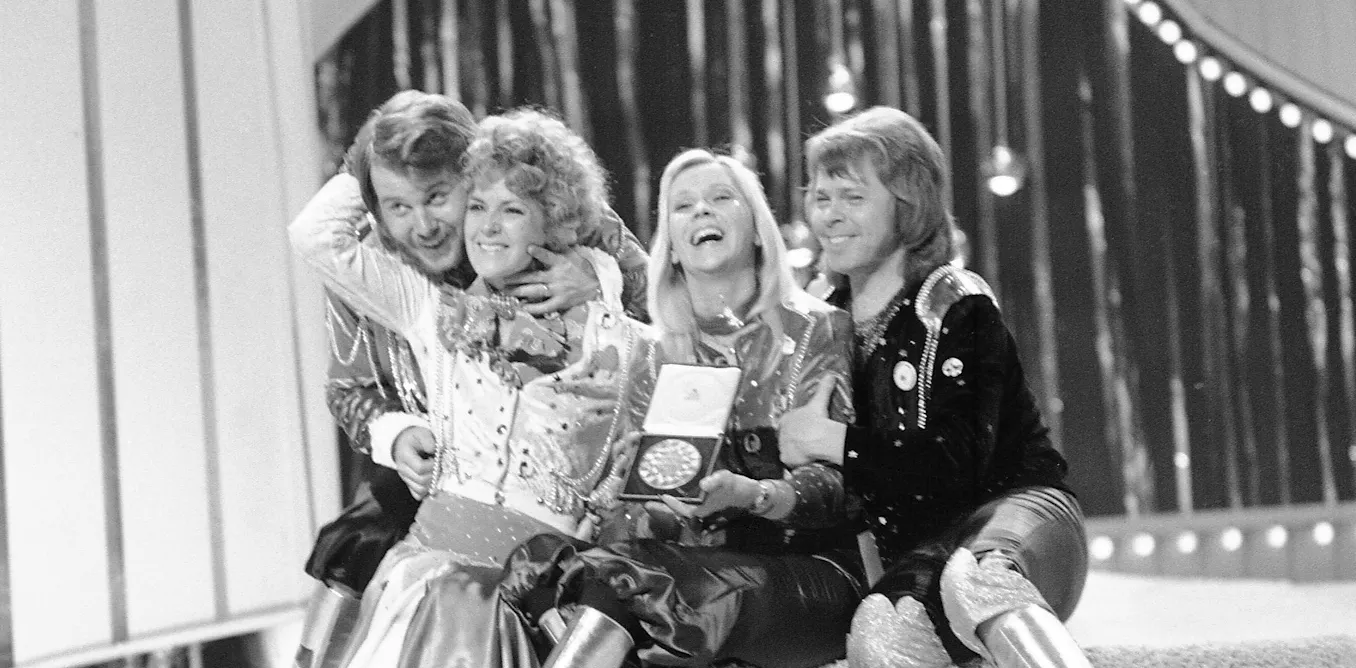
The Swedish pop song came out at a time when ABBA was trying to break into the American market. But it would go on to become a global anthem.
Half a century after its release, ABBA’s "Dancing Queen" remains an enduring fixture in the global music landscape. Emerging in 1976 amid ABBA’s efforts to penetrate the American pop scene, the song quickly transcended its initial commercial ambitions to become a universal anthem, celebrated across continents and generations.
Following their iconic Eurovision triumph with "Waterloo" in 1974, ABBA sought to expand their international appeal, particularly targeting the lucrative U.S. market. The mid-1970s disco wave presented an opportune moment. Composers Benny Andersson and Björn Ulvaeus developed "Dancing Queen" at a secluded cabin near Stockholm, experimenting with melodies and rhythms informed by contemporary disco hits like George McCrae’s "Rock Your Baby."
Related stories

The song’s production process was meticulous, blending a moderate tempo of approximately 100 beats per minute with sophisticated arrangements. This tempo diverged from the faster disco tracks of the era, giving "Dancing Queen" a distinct groove that balanced danceability with melodic clarity. Notably, the vocals begin with a high-pitched note from the chorus rather than a conventional verse introduction, a strategic choice that immediately captures the listener’s attention.
Instrumentally, the track is layered with dramatic piano flourishes and ascending string sections that enhance its emotional resonance. Benny Andersson’s piano work, featuring a theatrical glissando and octave stretches, contributes to the song’s grandeur, while Sven-Olof Walldoff’s string arrangements evoke a sense of uplifting anticipation.
The song’s title, reportedly suggested by manager Stig Anderson, shifted the lyrical narrative from youthful innocence to a more empowered depiction of a woman enjoying dance and freedom. This thematic adjustment allowed the track to resonate with diverse audiences, including the LGBTQIA+ community, where "Dancing Queen" evolved into an anthem celebrating self-expression and joy regardless of identity.
Despite its widespread acclaim, some lyrics, particularly the use of "seventeen," have been viewed through a critical lens concerning their implications. However, these elements have not significantly detracted from the song’s popularity or cultural standing.
After ABBA’s disbandment in the early 1980s and the rise of alternative music genres, "Dancing Queen" experienced periods of diminished mainstream presence. Its revival began in the 1990s, fueled by the release of the compilation album "ABBA Gold" and the Australian film "Muriel’s Wedding," both of which rekindled interest in ABBA’s catalog.
The late 1990s ushered in another resurgence with the debut of the jukebox musical "Mamma Mia!" in London’s West End, which integrated "Dancing Queen" among other ABBA hits into its narrative framework. The subsequent film adaptation further introduced the song to new audiences, solidifying its status as a timeless classic.
Recognition of the song’s enduring excellence culminated in its induction into the Grammy Hall of Fame in 2015, affirming its technical quality and emotional impact. The song’s ability to evoke happiness and communal celebration, especially during challenging times, has been cited as a core reason for its sustained relevance.
Through evolving musical tastes and cultural shifts, "Dancing Queen" has maintained its position not only as a hit single but as a symbol of joy and liberation. Its carefully crafted composition, combined with its inclusive message, continues to invite listeners worldwide to dance and celebrate life’s moments.
Full story & global impact
This article was synthesized and rewritten by MusicTop Editorial from reporting published by theconversation.com. Read the publisher's report for the complete source context.
Read original source: theconversation.com