The 9 saddest Phoebe Bridgers songs, ranked
Published August 14, 2026 · WORLD
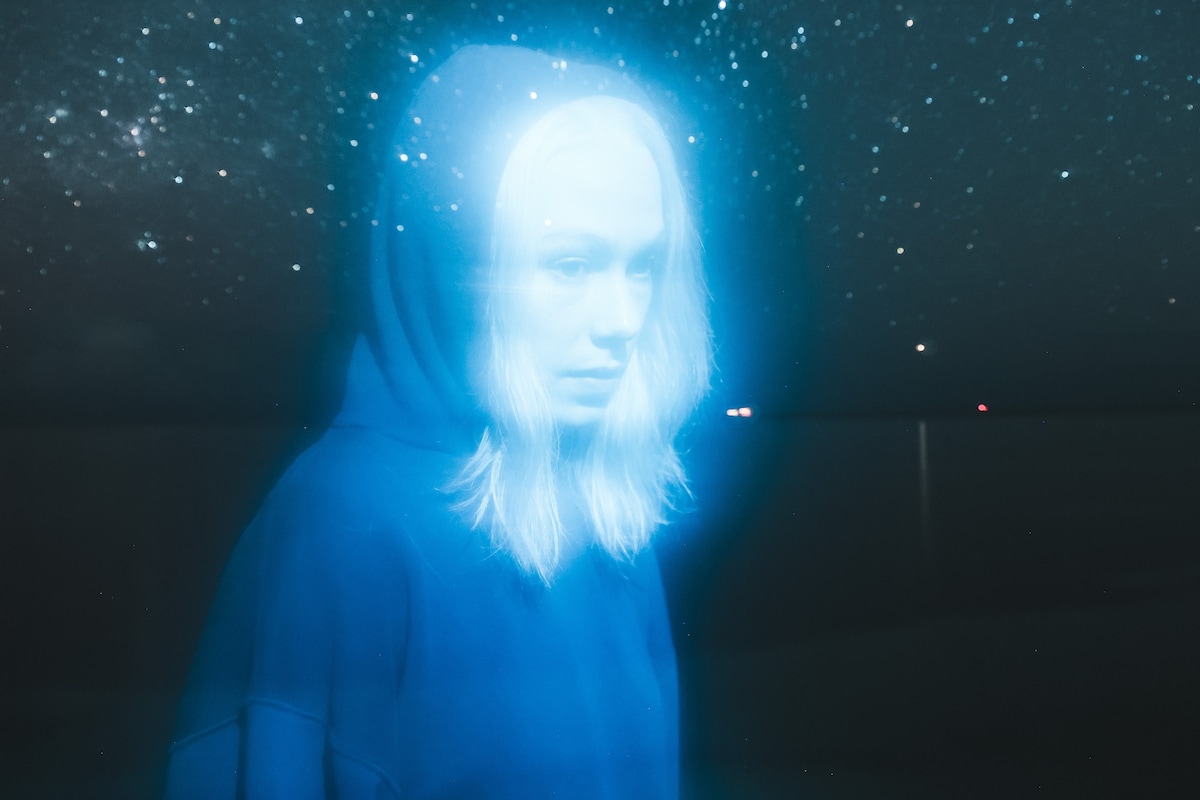
To celebrate the release of the singer-songwriter’s third studio album, Lost Weekend, we punished ourselves by revisiting her most heartbreaking tracks ever
Phoebe Bridgers has established herself as a defining voice in contemporary indie music, known for her candid exploration of sorrow, existential questioning, and personal transformation. Six years after her acclaimed album Punisher, Bridgers has released her third studio album, Lost Weekend, a work that continues to navigate themes of mortality, change, and acceptance.
Punisher, released amid the early chaos of the COVID-19 pandemic, resonated profoundly as a soundtrack to a global moment marked by widespread loss and upheaval. During the intervening years, Bridgers faced her own personal trials, including the end of her relationship with actor Paul Mescal in 2022 and the death of her father in 2023, a loss complicated by their fraught relationship. These experiences unfolded alongside Bridgers’ rising prominence in the music industry, intensified by the success of Boygenius, her supergroup with Lucy Dacus and Julien Baker, whose debut album garnered a Grammy Award.
Related stories

The collision of personal grief with public scrutiny deeply affected Bridgers. She candidly addressed the harassment she endured from some fans during a vulnerable period, particularly around her father's funeral, highlighting the darker side of fame. This period of retreat from the spotlight paved the way for Lost Weekend, an album that reflects the unpredictable rhythms of life—its setbacks and small victories—with a mature, nuanced perspective.
Lost Weekend showcases collaborations with notable artists and producers, including Jack Antonoff, Alex G, and Bo Burnham, Bridgers’ partner. The album’s themes are not solely rooted in sadness; it also offers moments of hope and resilience. Tracks like “Haunted” embody this duality, expressing the painful aftermath of loss while affirming the capacity for emotional growth.
In revisiting Bridgers’ body of work to identify her most emotionally intense songs, several tracks stand out for their raw vulnerability. “Never Going Back Again!” from Lost Weekend juxtaposes haunting melodies with a voicemail from her late father, encapsulating the complexity of grief intertwined with affection. The song moves from mourning past relationships to embracing change, reflecting Bridgers’ intricate emotional landscape.
From her earlier album Punisher, “Graceland Too” is noted for its haunting depiction of mental health struggles, inspired by Julien Baker’s own experiences. Its intimate vocal harmonies with Baker and Dacus create a powerful testament to survival amid despair. Similarly, “Chinese Satellite” confronts Bridgers’ grappling with faith and existential uncertainty, articulating a yearning for meaning that remains elusive.
The title track of Punisher pays homage to Elliott Smith, Bridgers’ musical hero, capturing a mix of reverence and self-doubt. The song immerses listeners in a dreamlike space of longing and artistic homage, revealing how creative influence can be both inspiring and burdensome.
Bridgers’ earlier work, such as “Waiting Room” from Stranger in the Alps, captures the poignant innocence of adolescent heartbreak with stark sincerity. The song’s youthful desperation is timeless, underscoring Bridgers’ talent for articulating the universal ache of unrequited love.
“Scott Street,” also from Punisher, delves into the bittersweet awareness of aging and the passage of time. The track evokes nostalgia for youth and a sense of existential reflection that resonates with listeners navigating life’s transitions.
“Moon Song,” a fan favorite, explores the pain of unbalanced love, portraying a relationship marked by emotional surrender and vulnerability without catharsis. Meanwhile, “Funeral” confronts the heavy emotions surrounding death, survivor’s guilt, and depression, offering a stripped-back, intimate meditation on grief.
Phoebe Bridgers’ music stands out for its ability to articulate the complexities of human emotions without descending into despair. Her songs often traverse the space between sadness and hope, loneliness and connection, capturing the multifaceted experience of modern life. Lost Weekend, as well as her previous albums, underscore Bridgers’ evolution as an artist who not only mourns but also embraces the potential for healing and renewal amid life’s uncertainties.
While details about the full scope of Lost Weekend’s themes and collaborations are still emerging, Bridgers’ trajectory from her early work through her latest release reveals a profound engagement with the personal and the universal, making her one of the most compelling voices in contemporary music.
Full story & global impact
This article was synthesized and rewritten by MusicTop Editorial from reporting published by dazeddigital.com. Read the publisher's report for the complete source context.
Read original source: dazeddigital.com