"The album's brevity is its biggest advantage. There is no chance of getting bored." J.J. Cale keeps it short on the easygoing Okie
Published August 17, 2026 · WORLD
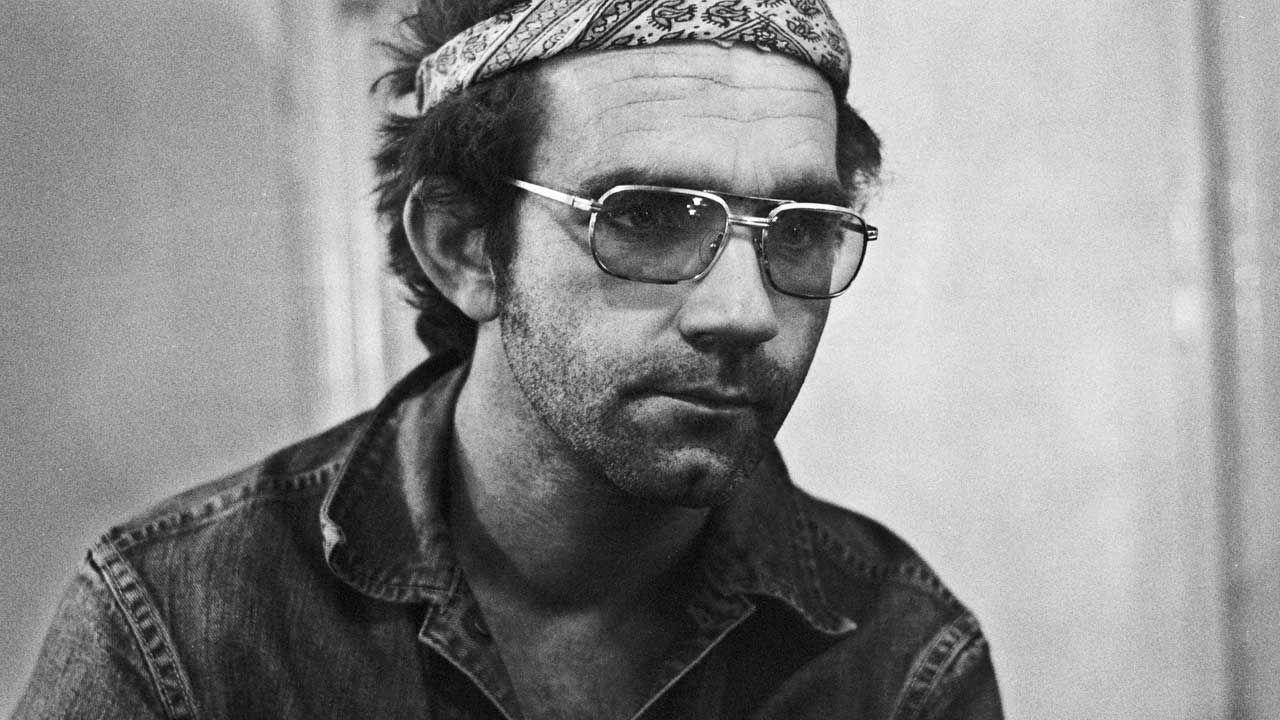
J.J. Cale's most famous songs were made famous by others, but Okie's laid-back charm is enticing in its own right
In April 1974, J.J. Cale released his third studio album, 'Okie,' a succinct collection of 12 tracks that encapsulates his signature fusion of blues, country, and rock elements. Spanning under 30 minutes, the album’s brevity has been noted as a defining strength, delivering a focused listening experience that avoids redundancy while showcasing Cale’s understated musical style.
Produced by Audie Ashworth, 'Okie' was recorded across a variety of settings including multiple Nashville studios—Bradley’s Barn, Columbia Studio B, and Woodland Sound Studios—as well as Cale’s home studio in Tulsa, Oklahoma. This geographical diversity in recording locations reflects the album’s blend of Southern musical traditions.
Related stories



One of the notable technical advancements on 'Okie' is Cale’s use of vocal layering through double-tracking, a method he adopted to enhance his vocal presence and pitch precision. This technique marked a departure from his previous work and contributed to a more prominent vocal texture amidst the album’s relaxed arrangements.
Despite Cale’s modest commercial profile, 'Okie' sustained his reputation as a distinctive artist whose songwriting resonated widely through interpretations by other musicians. Tracks such as "I Got the Same Old Blues" have been covered by prominent artists including Eric Clapton, Lynyrd Skynyrd, and Freddie King, while "Cajun Moon" found new life through renditions by Poco and Randy Crawford. Such covers bolstered Cale’s influence far beyond his own recordings, highlighting his role as a foundational figure in blues-rock songwriting.
The album’s musical palette gently shifts towards country and gospel influences on several tracks, maintaining a cohesive yet subtly varied soundscape. Producer Ashworth’s decision to enhance vocals within the mix underscores an effort to foreground Cale’s lyrical narratives, though the overall production remains true to the low-key, bluesy aesthetic Cale had been cultivating.
Critical response to 'Okie' acknowledges its restrained energy and concise delivery. Some reviewers suggest that the album’s short duration leaves listeners wanting more, as songs often conclude just as their grooves fully develop. Nevertheless, this economy of length is seen as a positive attribute, preventing listener fatigue and preserving the album’s easygoing charm.
Listeners new to J.J. Cale’s catalog frequently note the familiarity of his songwriting, recognizing motifs and melodies popularized by other artists’ covers. This phenomenon positions 'Okie' as a valuable entry point to understand the origins of numerous classic Southern rock and blues anthems.
While 'Okie' may not be regarded as Cale’s most dynamic or groundbreaking album, it is appreciated for its consistency and relaxed mood. Its tracks, including "Crying," "Rock and Roll Records," and "Everlovin’ Woman," exemplify the mellow grooves and subtle funk influences that define Cale’s style.
The album’s succinct nature and unhurried tempos offer a listening experience akin to a tranquil journey through Americana soundscapes. This quality has endeared 'Okie' to audiences seeking music that is both unobtrusive and richly textured.
J.J. Cale’s career, characterized by his preference for low-profile musicianship and songwriting success through others, finds a clear expression in 'Okie.' The album reinforces his legacy as a craftsman of laid-back tunes whose compositions have become staples in the repertoires of more commercially prominent artists.
Though not universally acclaimed as an essential album, 'Okie' remains a respected work within Cale’s discography. It encapsulates the quiet confidence of an artist content to cultivate his sound without chasing mainstream acclaim, offering listeners a distilled dose of his enduring musical influence.
Full story & global impact
This article was synthesized and rewritten by MusicTop Editorial from reporting published by loudersound.com. Read the publisher's report for the complete source context.
Read original source: loudersound.com