Traffic Deaths Rise 15% on Days Major Albums Are Released, Study Finds
Published August 17, 2026 · WORLD
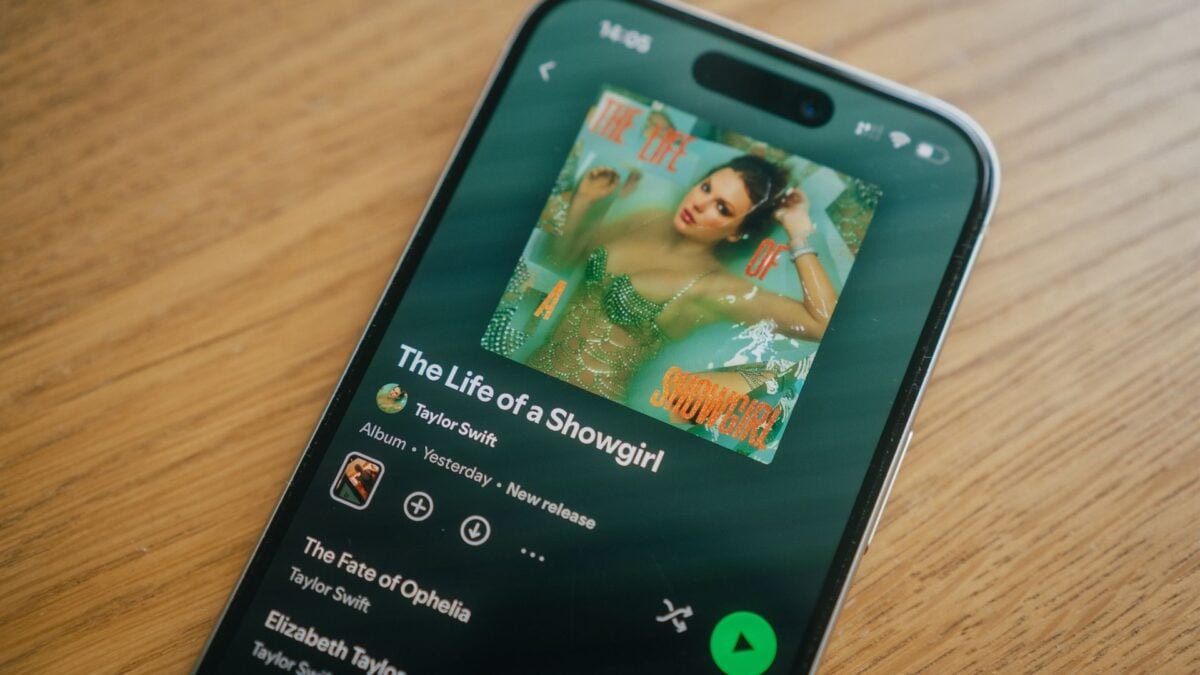
Drivers should listen to their latest musical obsession without playing with their phone, the researchers say.
A recent study involving researchers from Harvard Medical School has identified a notable increase in fatal traffic collisions on days when major music albums are released. Analysis over five years of U.S. traffic fatalities showed that these release dates correlate with approximately a 15% rise in deadly crashes compared to adjacent days without releases.
The investigation drew on the Fatality Analysis Reporting System (FARS), which compiles nationwide fatal car crash data. Researchers cross-referenced these records with streaming statistics from Spotify, focusing on the ten largest album release days between 2017 and 2022. The day with the highest streaming activity was October 21, 2022, corresponding to Taylor Swift’s Midnights release, which accumulated over 184 million streams on its first day.
Related stories


This correlation suggests that using smartphones to access freshly released music while driving introduces a distraction risk. The lead researcher, Vishal Patel, a physician specializing in health care policy, was motivated by a personal incident where his attention was divided while selecting songs on Spotify, causing him to drift out of his lane. His experience underscored concerns about the dangers of managing music playback on the road.
While the study cannot definitively establish causation between album releases and increased fatalities, statistical tests were conducted to rule out other explanations. These included comparisons of release Fridays with non-release Fridays and simulation of random placebo dates, with results indicating the increase in crashes was unlikely due to chance.
Additional analysis revealed the heightened risk was more pronounced among specific driver groups. Increased fatalities were observed mainly in sober drivers, those driving during daytime hours, and individuals driving alone. Younger drivers under 40, males, and white and Asian drivers showed relatively higher fatality increases compared to their counterparts.
The researchers also noted that vehicles equipped with integrated infotainment systems experienced a greater rise in fatal accidents on album release days. Despite these systems offering voice controls intended to reduce distraction, the ease of streaming new music might paradoxically contribute to riskier driving behaviors.
The study’s findings have implications for streaming platforms and public safety policies. Since streaming services can forecast major album release dates well in advance, incorporating safety reminders about setting up music prior to driving could help mitigate risk. Current distracted driving laws, typically focused on texting and calling, may require updates to address audio streaming distractions more explicitly.
From an industry standpoint, the association between high-profile releases and traffic fatalities introduces a new dimension to the impact of major album drops. While streaming success is often measured by immediate play counts, the potential for unintended harm invites a reconsideration of how music consumption intersects with public safety.
For artists and labels, the heightened streaming activity on release days remains a significant commercial achievement, yet the research suggests a responsibility to encourage safer listening practices. Promotional campaigns could incorporate messages about avoiding interaction with devices while driving, especially during these high-engagement periods.
This research also highlights the broader challenge of balancing digital music access with the hazards of in-car distraction. As more drivers utilize smartphones and infotainment systems for audio content, understanding the behavioral and safety consequences becomes increasingly urgent.
The investigation offers a new approach for studying large-scale societal effects tied to entertainment events, demonstrating how publicly available data can reveal unintended public health impacts. While these findings focus on music album releases, similar methodologies might apply to other events that drive spikes in smartphone use on a national level.
Ultimately, the study advocates for practical measures such as setting playlists before starting trips or having passengers manage playback to reduce distraction. Such steps could significantly decrease the risk posed by the impulse to interact with new music during driving.
Given these insights, music streaming services, policymakers, and drivers themselves face a shared challenge to adapt behaviors and technologies to safeguard road users while maintaining access to desired audio content.
Full story & global impact
This article was synthesized and rewritten by MusicTop Editorial from reporting published by gizmodo.com. Read the publisher's report for the complete source context.
Read original source: gizmodo.com