BTS rounded up diverse and dedicated North Texas troops at their sold-out stadium shows
Published August 17, 2026 · WORLD
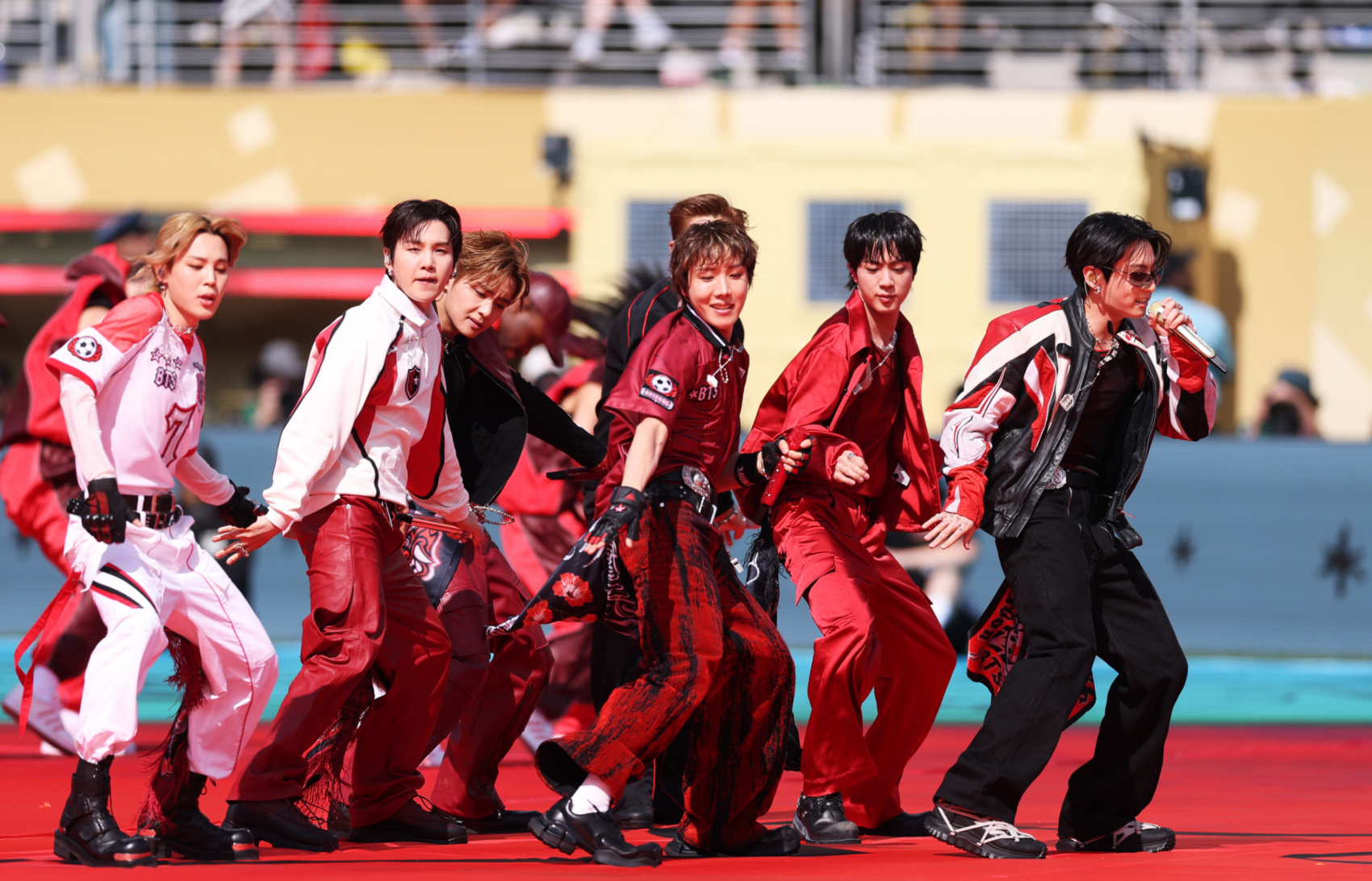
Before this weekend, the BTS ARMY was waiting eight long years for the K-pop boy band to return. They came, they saw and they conquered the hearts of North Texans.
BTS marked their first Texas appearance since 2018 with a sold-out concert at Dallas’ AT&T Stadium, reigniting the enthusiasm of their diverse North Texas fanbase. The band’s return followed an extended hiatus caused by a canceled 2020 world tour and the members’ mandatory Korean military service. The event demonstrated the unwavering dedication of BTS’ ARMY, who maintained high energy levels throughout the night.
The concert’s atmosphere defied typical stadium show dynamics, as excitement never waned from the moment the band appeared until the final bow. Fans across generations filled the venue, including children, parents, and grandparents, showcasing BTS’ wide-reaching appeal. Attendees wore outfits inspired by various phases of BTS’ career, highlighting the depth of fan engagement and the cultural lore surrounding the group.
Related stories


Integral to the show’s immersive experience were the synchronized ARMY Bomb light sticks, official merchandise that lit up the arena in coordinated color schemes. This technology created shifting waves of color across the audience, adding a unique visual element that enhanced the collective participation of the crowd and underscored BTS’ ability to integrate fan involvement into their performances.
Musically, the concert emphasized BTS’ latest album, “ARIRANG,” with most of its tracks featured prominently in the setlist. However, the band also incorporated reimagined versions of earlier hits like “Fake Love,” “Not Today,” and “Burning Up (Fire),” bridging their past and present. The inclusion of well-known English-language singles “Dynamite” and “Butter” provided the anticipated singalong moments that have become staples of their live shows.
One distinctive segment involved an element of randomness where a song was selected by the audience’s ARMY Bomb light sticks during “DJ Spin That,” creating a spontaneous atmosphere within an otherwise meticulously choreographed production. Dallas’ selections of “Permission to Dance” and “Go Go” added unique highlights tailored to this location.
Costuming also reflected a balance between cohesion and individuality. The band started in coordinated dark outfits aligning with their current era’s aesthetic, then transitioned to more personal styles that conveyed individual personalities. The final wardrobe change incorporated pieces of tour merchandise customized by the members, concluding with local touches such as cowboy hats, which connected with the Texas audience without overshadowing the concert’s global identity.
The show’s production cleverly maintained fan engagement during moments that might have been downtime at other concerts. During outfit changes, crowd members were spotlighted on large screens, fueling the collective excitement and spotlighting creative fan costumes and signage. This continuous interaction created a sense of community, blurring the lines between performers and spectators.
BTS’ ability to cultivate an ecosystem that extends beyond music was an evident feature of the event. Their concerts are less about passive observation and more about active participation, with the audience entering a shared cultural space. This sense of collective identity remained palpable even as the concert approached its finale, with energy levels that matched the night’s opening moments.
This Dallas show highlighted BTS’ evolving touring strategy as they reconcile a vast discography with the need to deliver fresh experiences city by city. By integrating new album focus with selective fan favorites and improvisational moments, they sustain interest across diverse fan segments while honoring their legacy.
The concert also demonstrated BTS’ ongoing relevance and adaptability post-military service, a phase that might have fragmented their presence. Instead, the strength of their fan community appears to have intensified, suggesting a resilient career phase anchored in both musical output and fan culture.
While the setlist leaned heavily on “ARIRANG,” BTS’ approach to live shows signals a shift towards hybrid setlists that balance promotional needs with fan expectations. Such flexibility could influence future tours by emphasizing audience interaction and delivering context-specific moments, a tactic that enhances the experiential value of large-scale performances.
The return to Texas after eight years also underscores BTS’ global touring recovery amidst a shifting live music landscape. Their ability to mobilize a multi-generational and diverse audience at one of the largest venues in the region sets a benchmark for K-pop acts re-engaging the American market following pandemic-related disruptions.
These performances serve as a case study in fan-driven concert architecture, where technology, costume, setlist design, and community interplay converge to generate a compelling live music experience. BTS’ Dallas shows reveal how their brand extends beyond music into a participatory cultural phenomenon that continues to evolve and resonate deeply with audiences.
Full story & global impact
This article was synthesized and rewritten by MusicTop Editorial from reporting published by dallasobserver.com. Read the publisher's report for the complete source context.
Read original source: dallasobserver.com