In 2016, Burt's Bees co-founder donated 87,500 acres of Maine land to US; 10 years later the wilderness is a national monument
Published August 21, 2026 · WORLD
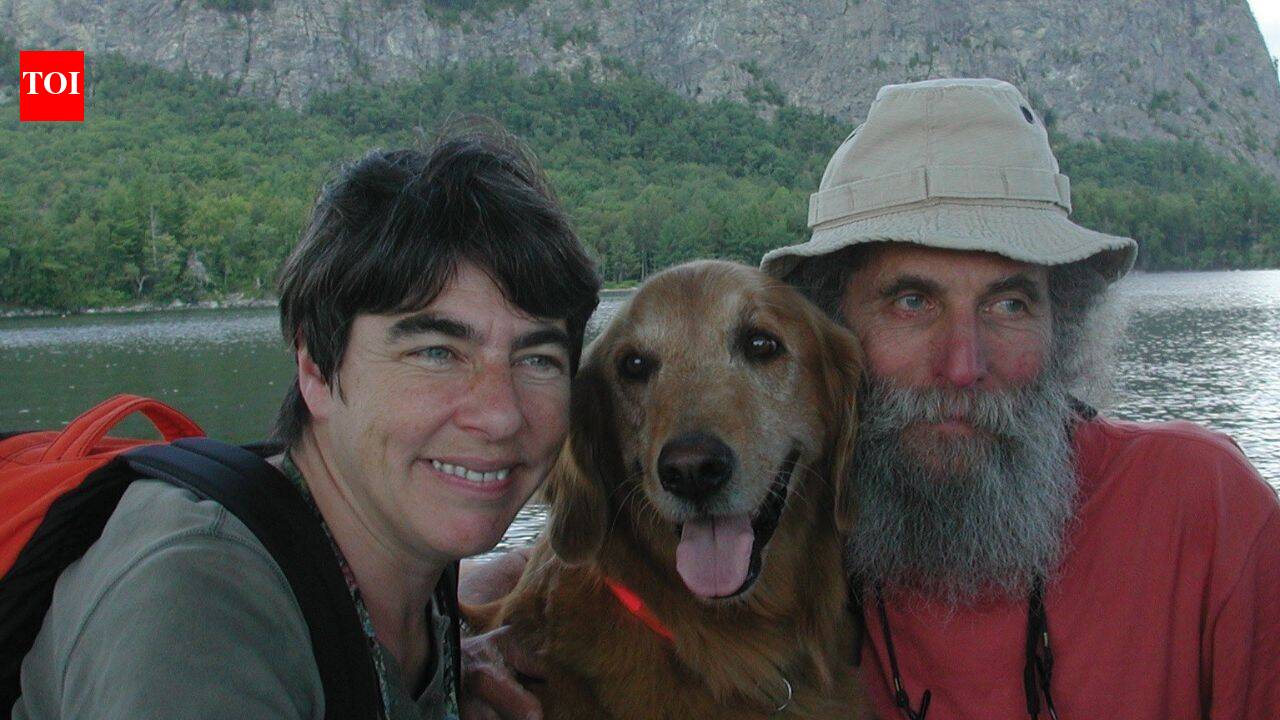
Roxanne Quimby, the visionary behind Burt's Bees, initially embraced a life of artistic expression and sustainability before venturing into the business world. After partnering with Burt Shavitz, they created a beloved range of beeswax products. Motivated by …
In a significant conservation milestone, the vast wilderness area in Maine, originally donated by Roxanne Quimby in 2016, has been officially designated as a national monument as of 2026. This transformation marks the culmination of a decade-long journey from private land to federally recognized protected terrain.
Roxanne Quimby, known for co-founding the natural personal care brand Burt's Bees, made headlines in 2016 when she transferred ownership of approximately 87,500 acres of forestland in Maine to the United States government. This generous act aimed to preserve the region's ecological integrity and ensure public access to the pristine landscape for generations to come.
Related stories

Quimby's involvement with the land is deeply rooted in her early life and career, which blended artistic pursuits with a strong dedication to sustainability. Before entering the commercial sphere, she cultivated a lifestyle closely connected to nature, a principle that later informed her conservation efforts.
The donated acreage is part of a larger area historically known for its rich biodiversity and extensive forest ecosystems. The land's protection under national monument status guarantees stringent safeguards against development and resource exploitation, aligning with broader environmental preservation goals.
The initial gift was a pivotal step that required extensive collaboration between federal agencies, local stakeholders, and environmental organizations. Over the ensuing years, these groups worked to establish the frameworks necessary to manage and maintain the land under its new designation.
This national monument now stands as a testament to the impact private citizens can have on public land conservation. It serves as a model for how entrepreneurial success can translate into lasting environmental stewardship.
While details on the specific administrative and ecological plans for the monument remain limited, its establishment is expected to bolster regional tourism, support wildlife habitats, and contribute to Maine's natural heritage.
The story of Roxanne Quimby's land donation is often intertwined with her business legacy through Burt's Bees, illustrating a unique intersection of commerce, art, and conservation. The company's origins, founded on natural ingredients and sustainable practices, echo the values embodied in the land gift.
As this newly minted national monument opens opportunities for public engagement with nature, it also highlights ongoing conversations about land use, preservation, and the role of private philanthropy in shaping America's natural landscapes.
According to timesofindia.indiatimes.com, the evolution of this Maine wilderness from private property to protected national monument underscores the enduring influence one individual's vision and generosity can have on environmental conservation.
Full story & global impact
This article was synthesized and rewritten by MusicTop Editorial from reporting published by timesofindia.indiatimes.com. Read the publisher's report for the complete source context.
Read original source: timesofindia.indiatimes.com