A Detroit couple bought a vacant 1925 bank and neighboring bar for $66,000; 13 years later, one old bank vault is a den and another is a wine cellar
Published August 23, 2026 · WORLD
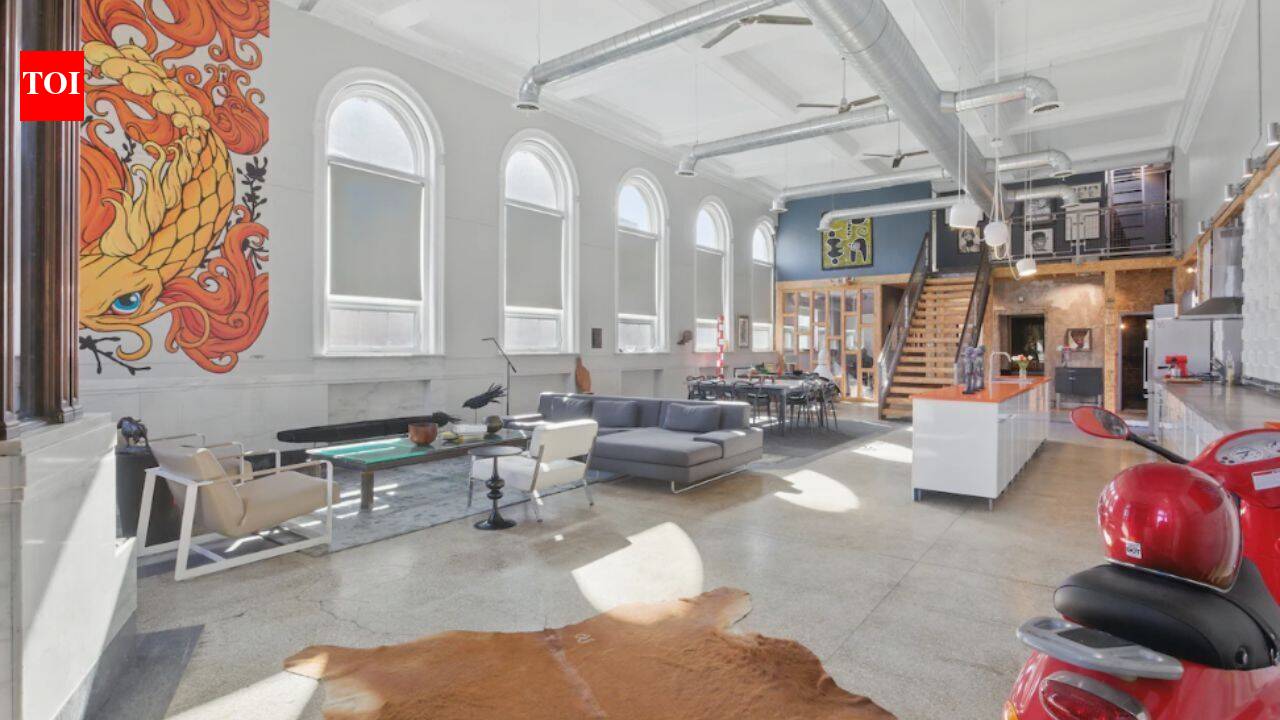
A Detroit couple turned a vacant 1925 bank into a two-bedroom home after buying the abandoned building for $66,000 in 2013. They moved in while construction was still underway and restored much of it themselves, preserving features such as the old vaults, mar…
In 2013, a couple in Detroit embarked on an unconventional home renovation journey by acquiring a long-abandoned bank building dating back to 1925. Purchased for a modest $66,000, the structure had stood vacant for years, its original purpose long defunct. The couple’s vision was to convert this historic space into a livable home while retaining its architectural character.
The 1925 bank, alongside an adjoining bar, formed the basis of their ambitious restoration project. Rather than demolishing or extensively modernizing the property, the couple chose to embrace its past, carefully preserving notable features such as the bank’s original vaults. These vaults, emblematic of the building’s financial history, were ingeniously repurposed to serve as functional parts of the new home.
Related stories

Over the course of thirteen years, the couple undertook much of the restoration work themselves, gradually transforming the space into a two-bedroom residence. Their hands-on approach allowed them to maintain the building’s vintage charm while adapting it to contemporary living standards. The process was ongoing even as they moved in, demonstrating their commitment to revitalizing the historic structure.
One of the most striking elements of the renovation was the adaptive reuse of the bank’s vaults. One vault was converted into a cozy den, providing a private and distinctive living area that pays homage to the building’s origins. Another vault found new life as a wine cellar, blending practicality with a nod to the past.
This transformation highlights a growing trend in urban areas where historic commercial buildings are being reimagined as residential spaces. The couple’s project exemplifies how preservation and creativity can coexist, allowing historic architecture to continue serving functional roles in modern communities.
While details about the couple’s backgrounds or motivations remain limited, the significance of their restoration lies in its celebration of Detroit’s architectural heritage. Amidst the city’s broader efforts to revitalize and repurpose old structures, this project stands as a testament to individual initiative and respect for history.
The choice to purchase a vacant bank building with an adjacent bar also suggests a desire to preserve not just a structure but a slice of local culture and history. The couple’s efforts contribute to the ongoing narrative of Detroit’s urban renewal, blending past and present in a tangible way.
As the building now functions as a home, it serves as both a personal sanctuary and a living artifact of the city’s early 20th-century commercial architecture. This adaptive reuse project underscores the potential value found in neglected urban spaces and offers a model for similar restoration endeavors elsewhere.
According to timesofindia.indiatimes.com, this unique home stands as a symbol of transformation, creativity, and dedication, illustrating how historic preservation can breathe new life into forgotten structures. The journey from a vacant bank to a welcoming residence encapsulates a story of resilience and innovation within Detroit’s evolving cityscape.
Full story & global impact
This article was synthesized and rewritten by MusicTop Editorial from reporting published by timesofindia.indiatimes.com. Read the publisher's report for the complete source context.
Read original source: timesofindia.indiatimes.com