A British artist collected more than 100,000 plastic bottles and built an artificial island with a house, ponds and a waterfall
Published August 24, 2026 · WORLD
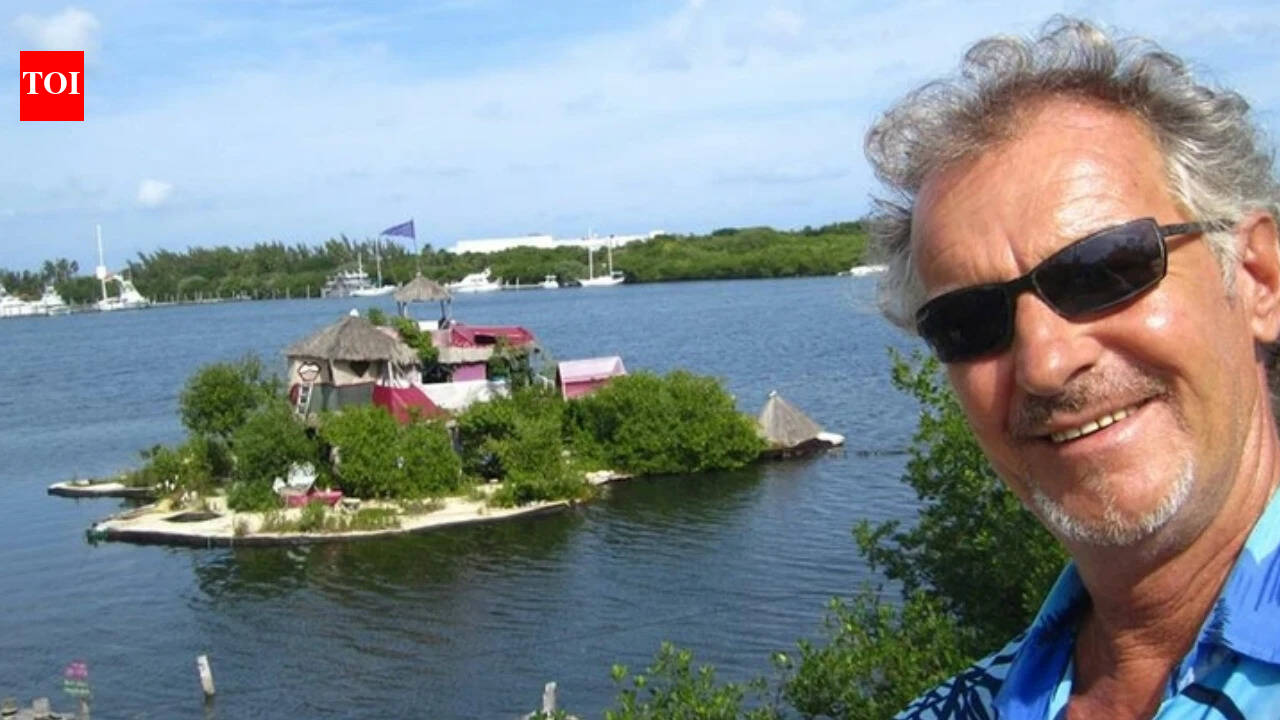
UK News: British artist Richart Sowa spent years collecting plastic bottles for a project most people would never attempt: building an entire island to live on.
In an extraordinary display of environmental creativity and perseverance, British artist Richart Sowa has realized an unconventional vision: the construction of a fully functional island fabricated largely from recycled plastic bottles. This remarkable undertaking, as reported by timesofindia.indiatimes.com, involved the collection and integration of over 100,000 plastic bottles over several years.
Sowa's project transcends typical artistic expression by blending ecological consciousness with architectural innovation. The artificial island features not only a habitable structure but also carefully designed ponds and a cascading waterfall, illustrating a unique synergy between art, sustainability, and habitat creation.
Related stories


The painstaking collection process highlights both the scale of plastic pollution and the potential for repurposing waste materials into meaningful, life-sustaining environments. Each plastic bottle contributed to the island’s buoyancy and structure, transforming what is frequently discarded as refuse into foundational building blocks.
While the exact timeline and geographic details of the island’s location remain limited, the endeavor itself underscores a growing global conversation about environmental responsibility and creative approaches to combating pollution. Sowa’s project challenges conventional notions of island formation by demonstrating how human ingenuity can reshape ecological footprints.
The inclusion of natural features such as ponds and a waterfall within this man-made island suggests an effort to replicate elements of traditional island ecosystems. This adds layers of complexity to the project, blending utilitarian design with aesthetic and environmental considerations.
Sowa’s initiative serves as both an artistic statement and a practical prototype for sustainable living spaces, potentially inspiring future innovations in waste management and habitat engineering. By living on the island he created, Sowa embodies a commitment to environmental stewardship and experimental living.
This project invites reflection on the possibilities inherent in reimagining waste as a resource, encouraging a reevaluation of how discarded materials can be reintegrated into society in constructive ways. It offers a tangible example of how art and environmentalism can converge to produce novel solutions to pressing ecological challenges.
Despite the lack of extensive documentation on the project's finer details, the core narrative of a British artist transforming plastic waste into a livable island remains a powerful testament to human creativity and environmental consciousness. Sowa’s work adds a distinctive chapter to the ongoing dialogue about sustainability, innovation, and artistic expression.
Full story & global impact
This article was synthesized and rewritten by MusicTop Editorial from reporting published by timesofindia.indiatimes.com. Read the publisher's report for the complete source context.
Read original source: timesofindia.indiatimes.com