Remembering Dolly Parton: 8 facts about the icon
Published August 25, 2026 · WORLD
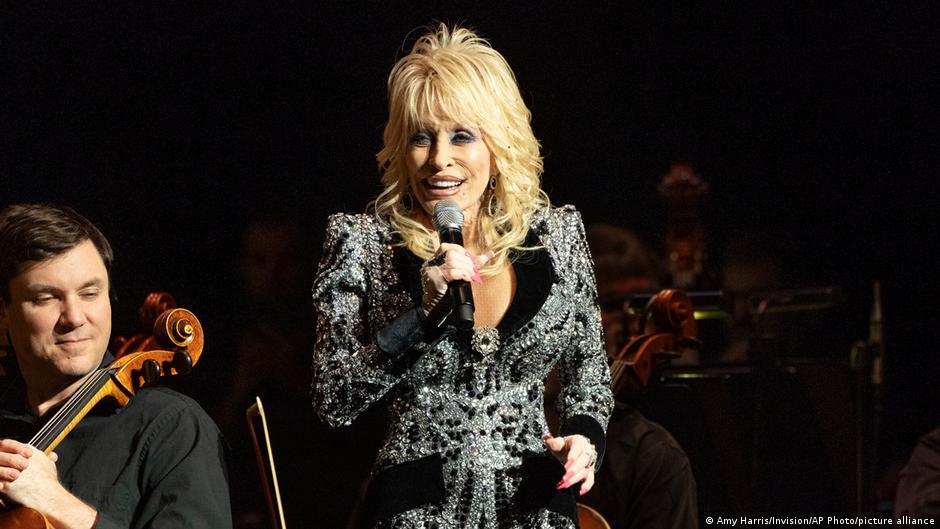
Dolly Parton was one of the world's most successful artists. On Tuesday, her family announced that she passed away at 80. Here are some important and extraordinary facts about the country music superstar.
Dolly Parton, one of the most influential figures in country music history, passed away at the age of 80, as confirmed by her family and reported by dw.com. Over a career that stretched for more than seven decades, Parton not only achieved extraordinary commercial success but also became a cultural icon and advocate for literacy and health.
Born in rural Tennessee on January 19, 1946, Parton grew up in a large family with 11 siblings. Her humble beginnings in Sevier County shaped much of her artistic and philanthropic outlook. Early on, she showed musical talent, mastering the guitar by age seven and making her television debut at just 10 years old. Despite the modest means of her upbringing, Parton’s intellect and determination stood out, with reports indicating an IQ exceeding 140.
Related stories

Parton’s breakthrough came in 1967 with the release of “Dumb Blonde,” a song that challenged prevailing stereotypes and set the tone for her bold presence in the male-dominated music industry of the 1960s. Throughout her career, she amassed over 100 million record sales and secured 25 number-one hits on the US country charts, complemented by 11 Grammy Awards and three Emmys.
Her distinctive image, including her signature platinum blonde hair, became an enduring part of her persona. Notably, Parton preferred wearing wigs to maintain her iconic look without damaging her natural hair, reportedly accumulating a collection exceeding 350 styles. Alongside this, she openly embraced cosmetic surgery as part of her self-expression, maintaining an approachable and warm public image.
Beyond music, Parton was deeply committed to philanthropy. The Dollywood Foundation, established in 1995, spearheads her literacy initiative, the Imagination Library. This program offers free books to children from birth until age five, reaching over 300 million books distributed across several English-speaking countries. The foundation also awards scholarships to students from her home county, emphasizing support for those who demonstrate ambition and perseverance.
Parton’s charitable efforts extended into public health during the COVID-19 pandemic when she donated $1 million to Vanderbilt University Medical Center. This contribution aided in the development of the Moderna vaccine, underscoring her investment in global wellbeing. She even celebrated this contribution by adapting her famous song “Jolene” into “Vaccine,” highlighting her blend of artistry and advocacy.
Her songwriting legacy includes enduring classics such as “Jolene” and “I Will Always Love You,” both penned in 1972. While the latter gained worldwide fame through Whitney Houston’s cover, its original intent was a farewell to Parton’s mentor, Porter Wagoner. Houston’s rendition notably generated significant royalties, which Parton invested in community development projects, including real estate in Nashville’s Black neighborhoods.
Parton’s influence permeated beyond music and philanthropy. Her willingness to embrace humor and self-awareness was evident when she once participated in a drag queen Dolly Parton lookalike contest, albeit without winning. This anecdote reflects her playful engagement with her own image and cultural impact.
Her passing marks the end of an extraordinary chapter in music and cultural history. Dolly Parton’s life encapsulated artistic brilliance, business acumen, and profound generosity, leaving a legacy that will inspire future generations of artists and humanitarians worldwide.
Full story & global impact
This article was synthesized and rewritten by MusicTop Editorial from reporting published by dw.com. Read the publisher's report for the complete source context.
Read original source: dw.com