The Variety Show That Gave Dolly Parton Her Big Break (And An Iconic Song)
Published August 26, 2026 · WORLD
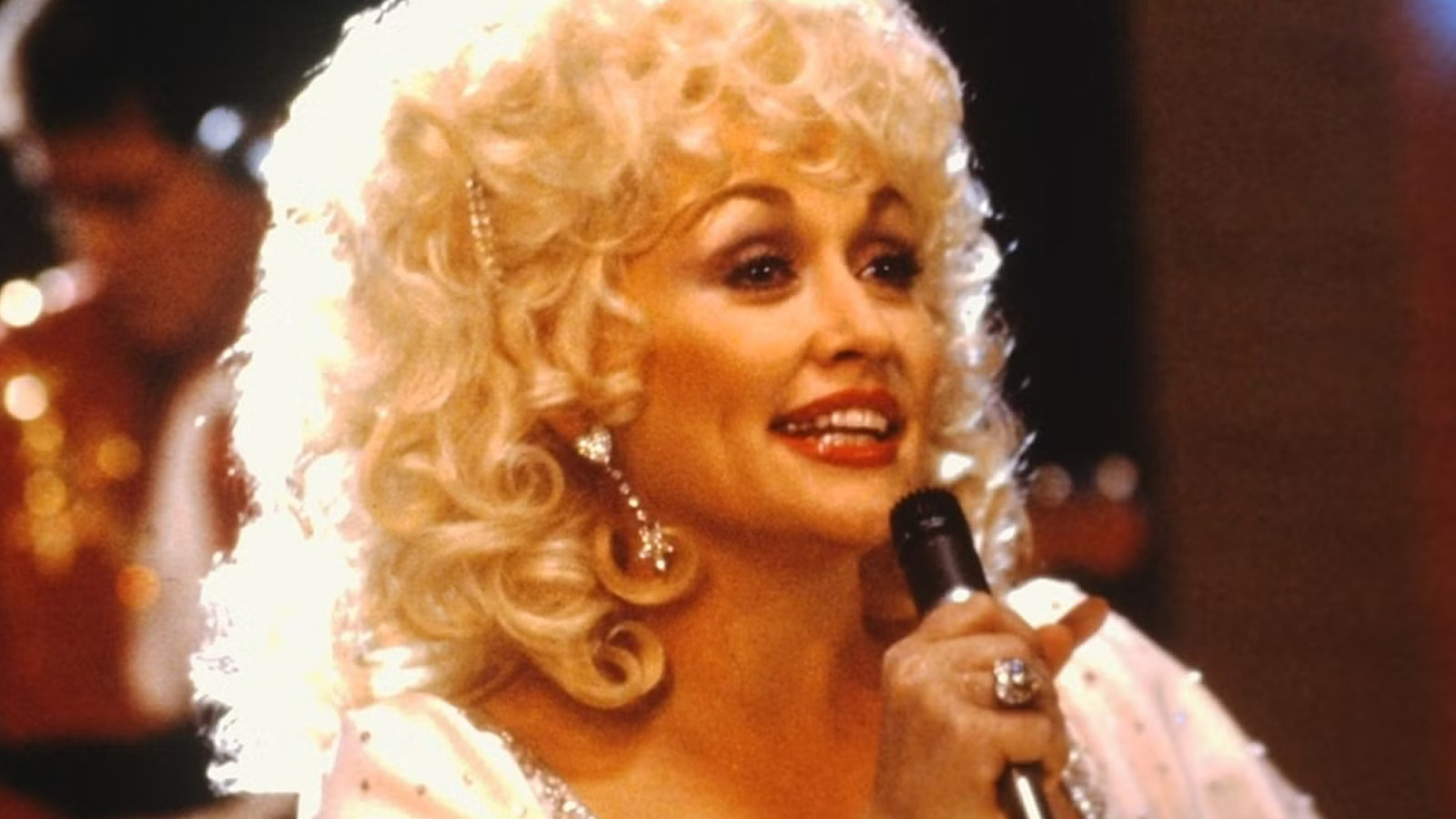
Dolly Parton got her big break on this variety show that also ended up directly inspiring one of her all-time greatest songs.
Dolly Parton’s journey from a Tennessee native to an internationally revered music icon is inseparable from her pivotal years on "The Porter Wagoner Show." This syndicated country music variety program, which debuted in 1960, became a crucial platform for Parton during the late 1960s and early 1970s, serving as the springboard for her enduring career.
Before her breakthrough, Parton was already active in local radio and television in Tennessee, showcasing her vocal talents at an early age. Initially steered toward a pop-oriented image by her management during the 1960s, she ultimately gravitated back to her country roots, a transition that gained her recognition within the genre. However, it was her association with Porter Wagoner, a seasoned country musician and television host, that marked a significant turning point.
Related stories
Variety’s Doc Dreams Live Returns to New York for Third Year
 Inde Navarrette, Jaafar Jackson and More: Variety’s 10 Actors to Watch Spotlights ‘Obsession,’ ‘Michael,’ ‘La Bola Negra’ and Beyond
In 1967, after the departure of Wagoner’s then-female vocalist, Norma Jean, Parton was invited to join the show as the featured female singer. Over seven years, the program not only introduced her to a broader audience but also allowed her to refine her multifaceted talents as both a singer and songwriter. The format of "The Porter Wagoner Show" was distinctive for its era: combining music-focused performances with comedic sketches and guest appearances, it catered primarily to country music enthusiasts rather than aiming for the mass entertainment approach typical of other variety shows like "The Ed Sullivan Show."
Parton’s tenure on the show saw her rise from a promising newcomer to a country music star. She recorded a significant body of work alongside Wagoner, including twelve duet albums, while also producing fifteen solo albums. Her performances on the show highlighted not only her vocal ability but also her songwriting skills and emerging comedic timing, elements that would later contribute to her success in film and beyond.
The show also provided a rare space for Parton to challenge prevailing gender norms within the country music industry. Her initial performances included songs with feminist themes, signaling a willingness to address women's experiences and roles at a time when such perspectives were less common in the genre.
Despite the professional success, Parton’s relationship with Wagoner was complex. Reports suggest that Wagoner maintained a dominant presence on the show, which occasionally led to tension between the two artists. Parton’s departure from the program in 1974 was a significant career move, yet it was handled with mutual respect, exemplified by her composition of "I Will Always Love You" as a farewell tribute to Wagoner. This song achieved considerable success twice under Parton’s own recordings and later became globally renowned through Whitney Houston’s 1992 cover.
The significance of "The Porter Wagoner Show" extends beyond its role in Parton’s career. It exemplified a music-centered variety format that celebrated country music’s depth and artistry during a period when televised entertainment often prioritized broader commercial appeal. For Parton, the show was more than a launching pad; it was a creative incubator that honed the skills and persona that would define her legacy.
Today, archival footage and reruns of "The Porter Wagoner Show" remain valuable historical documents, illustrating Parton’s early artistry and the cultural landscape of country music in mid-20th century America. The program’s influence on her career underscores the importance of television variety shows in shaping music history, particularly for artists navigating the transition from regional performers to national stars.
While detailed accounts of backstage interactions are limited, the available information underscores the professional challenges and milestones that Parton experienced during her formative years on the show. Her eventual rise to superstardom, marked by her songwriting and solo performances, owes much to the exposure and experience gained through this collaboration.
In summary, "The Porter Wagoner Show" was instrumental in the development and success of Dolly Parton, providing her with a national platform and creative opportunities that shaped her into the legendary figure she is today. The show’s legacy, intertwined with Parton’s own, remains a defining chapter in the history of country music entertainment.
Full story & global impact
This article was synthesized and rewritten by MusicTop Editorial from reporting published by slashfilm.com. Read the publisher's report for the complete source context.
Read original source: slashfilm.com