Dolly Parton RIP: The Story of Her Most Famous Song Embodies the Her Life Story—and the American Dream
Published August 27, 2026 · WORLD
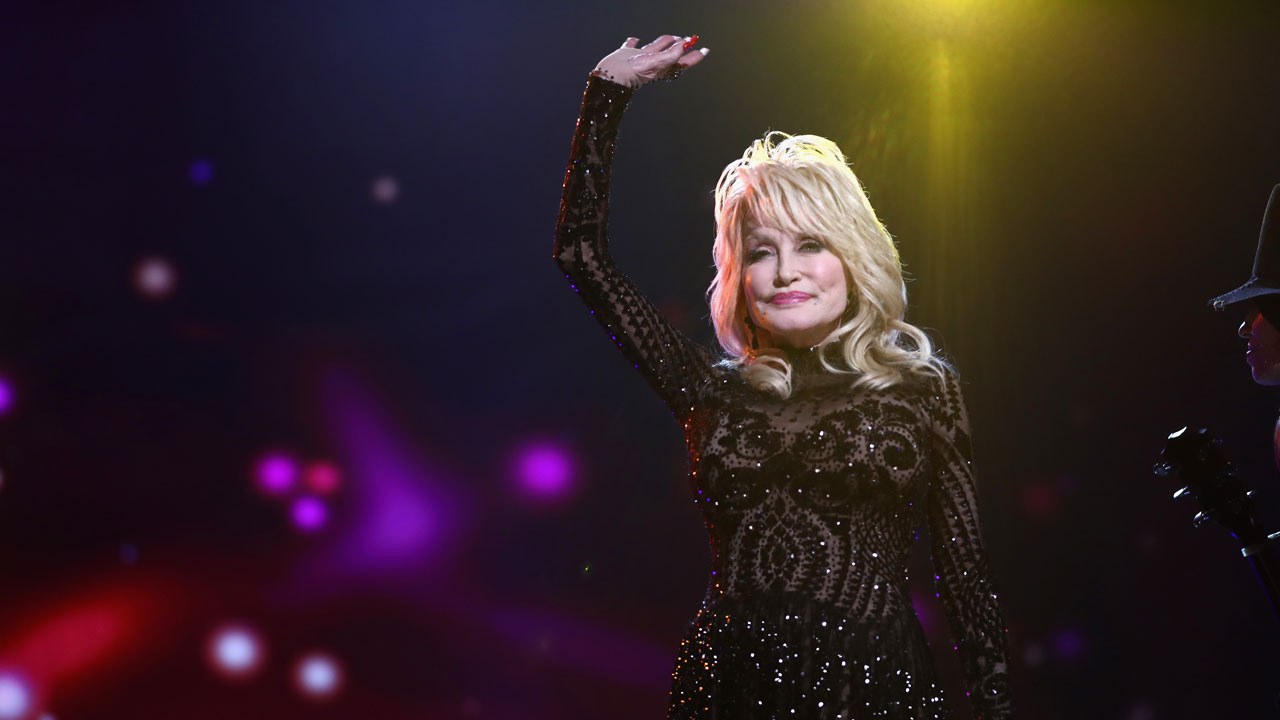
Dolly Parton died Tuesday of cancer at the age of 80 surrounded by loved ones. She was loved like few other entertainers in American history. The story of how her most famous song, “I Will Always Love You,” came to be – and how Whitney Houston came to record …
Dolly Parton, one of the most beloved figures in American music history, passed away at the age of 80 after a battle with cancer. Her death was mourned nationwide, highlighting the profound influence she exerted on country music and popular culture at large. Among her many contributions, the story behind her most renowned composition, "I Will Always Love You," encapsulates both her personal journey and her business acumen.
Born in 1946 into a poor family in Tennessee’s mountainous region, Parton’s early life was shaped by hardships and the strong work ethic of her father, despite his limited formal education. Her mother fostered her early passion for music, setting the foundation for a career that would eventually cross genres and generations.
Related stories
‘American History X’ Director Tony Kaye Takes On Leicester’s Giant Monsters in Short ‘Will You Still Love Me Tomorrow?’ (EXCLUSIVE)
 Roch Voisine and George Stroumboulopoulos voice 100 years of Royal Canadian Legion history
The song "I Will Always Love You" was penned in 1973, not as a romantic ballad but as a heartfelt farewell to Porter Wagoner, the country star who had helped launch Parton’s career by featuring her on his television show. Their professional partnership yielded significant success, but Parton sought creative and financial independence. The song became her graceful and sincere way to express gratitude while asserting her desire to move forward on her own terms.
The track quickly climbed to the top of the country charts in 1974, confirming Parton’s status as a leading artist and songwriter in Nashville. An intriguing episode followed when Elvis Presley showed interest in recording the song. Negotiations fell through over publishing rights, with Parton declining to relinquish ownership despite the allure of having the King of Rock and Roll cover her work. This decision preserved her control over the song’s rights and would prove financially astute.
In 1992, the song gained a new life and global reach through Whitney Houston’s rendition for the film "The Bodyguard," produced and co-starred by actor Kevin Costner. Although Parton initially did not know how the song would be used, she was profoundly moved upon hearing Houston’s powerful interpretation on the radio. Houston’s version dominated the Billboard charts for 14 weeks and became the best-selling single by a female artist, selling over 20 million copies worldwide.
This crossover success testified not only to the song’s universal appeal but also to Parton’s far-sighted management of her intellectual property. The royalties from Houston’s cover enabled Parton to amass significant wealth, which she famously noted was substantial enough to purchase Graceland, Presley’s iconic estate.
Parton’s career was marked by diverse collaborations spanning multiple musical styles and artists, from country legends like Kenny Rogers to pop and jazz musicians such as Norah Jones and Queen Latifah. Among these, her 2021 Grammy-winning performance of the contemporary Christian song "There Was Jesus" revealed a deeply personal and spiritual dimension to her artistry.
Her personal life was anchored by a long marriage to Carl Dean, who passed away in 2025 after nearly six decades together. Following Parton’s own death, family statements reflected a vision of reunion in the afterlife, underscoring the enduring bonds that complemented her public persona.
Dolly Parton’s legacy is not only defined by her musical achievements but also by her ability to bridge cultural and genre divides. Her story, from humble beginnings in rural Tennessee to an icon whose work touched millions worldwide, embodies a uniquely American narrative of perseverance, creativity, and success. The profound impact of "I Will Always Love You," linking a country songwriter with an R&B powerhouse, remains a testament to the unifying power of music across diverse backgrounds.
Full story & global impact
This article was synthesized and rewritten by MusicTop Editorial from reporting published by dailysignal.com. Read the publisher's report for the complete source context.
Read original source: dailysignal.com