How Paul Simon took on Apartheid... and created his bestselling album
Published August 27, 2026 · WORLD

In 1985, the singer spent hundreds of thousands of his own dollars to work with South African musicians. They created what would be his best album.
In the mid-1980s, Paul Simon embarked on an unprecedented musical and political journey that would redefine his solo career and leave a lasting impact on global music. Amid the charged atmosphere of apartheid South Africa, Simon pursued an artistic vision that involved working directly with South African musicians, despite international cultural boycotts aimed at isolating the regime.
Simon’s fascination began with a bootleg cassette tape containing South African music, a style previously unfamiliar to him. Intrigued by the rhythms and melodies on this recording, he sought to uncover the identities of the anonymous musicians behind the sounds. His curiosity led him to invest significantly of his own resources to travel to South Africa in 1985, at a time when the country was deeply segregated by institutionalized racial policies.
Related stories
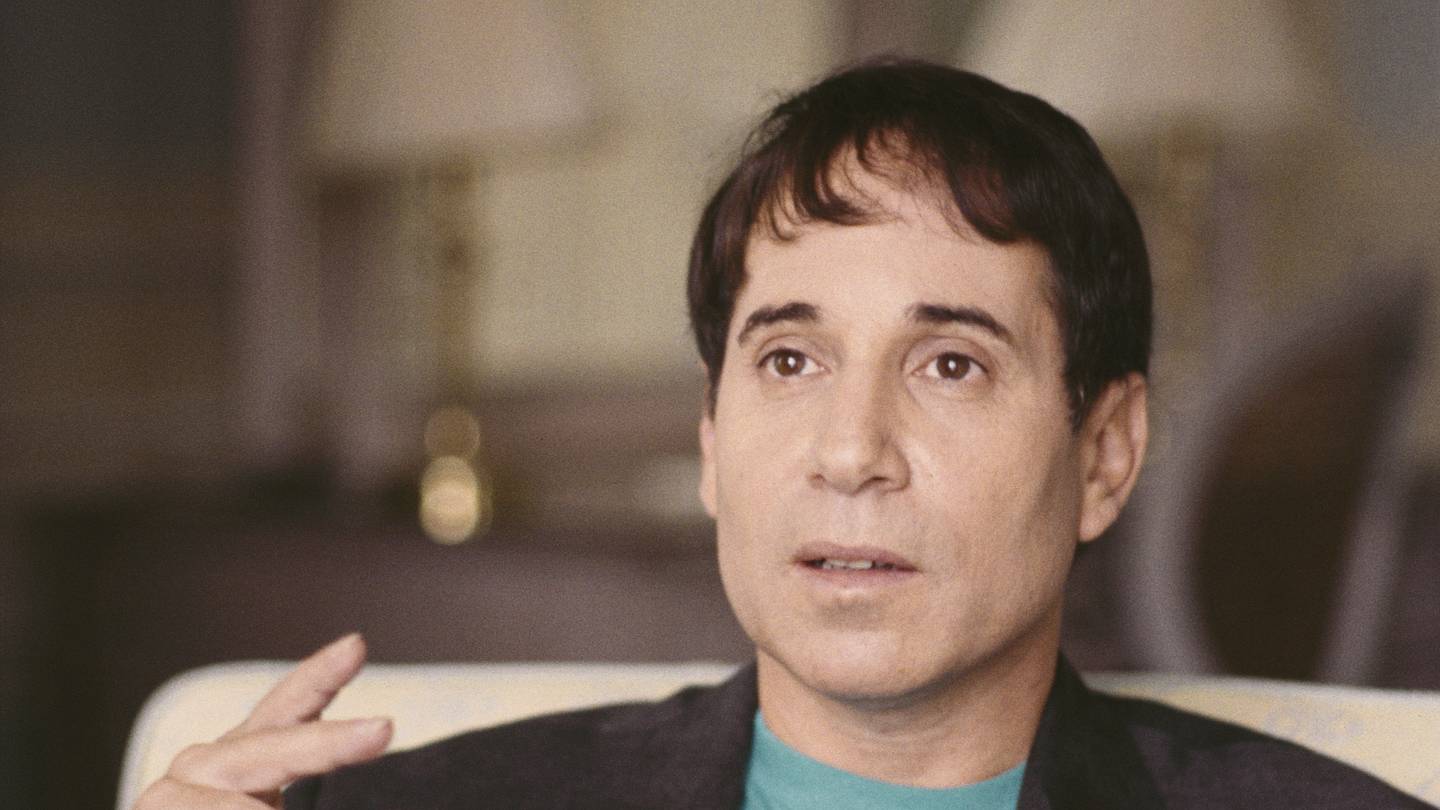

The project was not without controversy. The United Nations had endorsed a cultural boycott against apartheid South Africa, discouraging artists from engaging with the country’s music scene. Simon’s decision to break this boycott sparked debates about artistic freedom and political responsibility. Nevertheless, he proceeded to collaborate with local musicians, paying them generously—three times the standard rates—to ensure fair compensation in a system that marginalized black artists.
During his sessions in Johannesburg, Simon encountered challenges rooted in the harsh realities of apartheid. Musicians faced curfews and restrictions on movement, making late-night studio work difficult. The logistics of transportation became a concern, as public transit was unsafe or unavailable for black South Africans after dark. These conditions required Simon and his team to adapt their working schedule to accommodate the musicians’ needs and safety.
The resulting album, Graceland, emerged as a fusion of Simon’s songwriting with the infectious rhythms of South African township music. Its sound was a departure from his previous work, blending Western folk-rock with elements of mbaqanga and other indigenous styles. While some tracks, such as the title song, referenced American cultural icons and geography, the album’s core was firmly rooted in the collaborative spirit of its South African contributors.
Beyond its musical innovation, Graceland achieved remarkable commercial success. It won the Grammy Award for Album of the Year and sold over ten million copies worldwide. The album’s widespread acclaim brought global attention to South African music during a time when the country was largely isolated culturally and politically.
Simon’s lyrics throughout his career have been noted for their poetic complexity and vivid imagery, traits that persisted in Graceland. His songwriting often eschewed straightforward narratives in favor of evocative wordplay and layered meanings, inviting listeners to engage with his music on multiple levels.
The collaboration also had personal significance for the South African musicians involved. Many expressed gratitude for the opportunity to work with an internationally recognized artist and for the financial benefits that helped support their families under challenging circumstances.
While Graceland did not singlehandedly change the course of apartheid, it played a role in fostering cross-cultural dialogue and exposing international audiences to the richness of South African musical traditions. Simon’s artistic risk and determination to explore unfamiliar musical landscapes stand as a testament to the power of music to transcend political barriers.
Details on the broader political implications and responses to Simon’s project remain complex and multifaceted, reflecting the tensions between cultural engagement and political activism during that era. Nonetheless, Graceland remains a landmark album, symbolizing both artistic innovation and the complicated intersections of music and social justice in the 1980s.
Full story & global impact
This article was synthesized and rewritten by MusicTop Editorial from reporting published by dailymail.com. Read the publisher's report for the complete source context.
Read original source: dailymail.com