Onimusha: Way of the Sword review
Published August 31, 2026 · WORLD
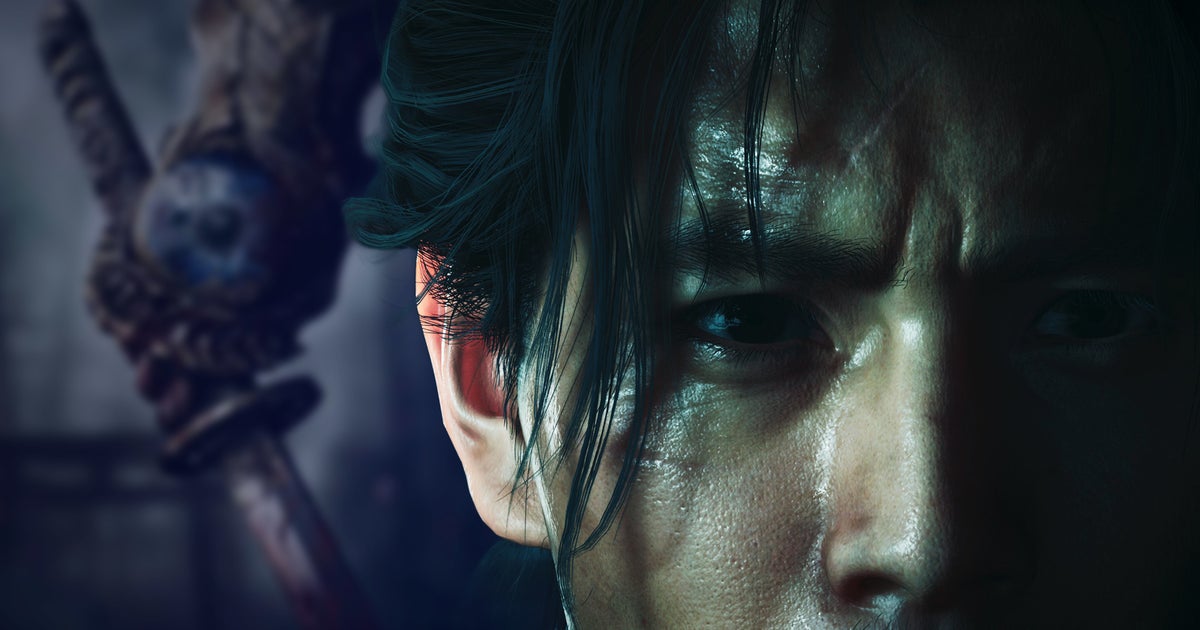
Legendary swordsman Miyamoto Musashi considered himself more an artist than a fighter. A keen strategist and a self-proclaimed master of war, I think it's Musashi's art that hits more keenly than his katana: it's minimalist, monochromatic, a study of nature d…
Capcom’s latest entry in the Onimusha series, Way of the Sword, offers players an immersive journey into the world of legendary swordsman Miyamoto Musashi, blending historical inspiration with innovative game design. Drawing from Musashi’s reputation not only as a master swordsman but also a strategic thinker and artist, the game seeks to embody his minimalist and precise approach to combat and life.
Set against the backdrop of a fantastical invasion of Kyoto by demonic genma forces, Way of the Sword balances narrative-driven boss encounters with exploratory elements. The game combines medium-sized environments for exploration with focused combat arenas, allowing players to engage with the story while upgrading weapons, armor, and skills through basic RPG mechanics.
The core of the gameplay revolves around a combat system that emphasizes timing, observation, and momentum rather than mere button mashing. Players adopt a tactical stance, learning to anticipate and counter enemy attacks through a mechanic called the 'issen' counterstrike, which interrupts foes and opens up opportunities for follow-up damage. This approach reflects Musashi’s historical fighting style, prioritizing reaction and control over reckless aggression.
Capcom’s commitment to authenticity is evident in their collaboration with professional swordsmen to refine the combat animations and mechanics, lending a sense of realism and weight to each encounter. The game's combat challenges players to conserve stamina, read enemy tells, and respond with precision, creating an experience that is as mentally demanding as it is physically engaging.
Unlike many modern action games that favor flashy acrobatics, Way of the Sword centers on discipline and adaptability. Standard attacks serve as distractions and set-ups rather than primary means of dealing damage, encouraging a playstyle that rewards patience and strategic thinking. This design choice distinguishes it from titles like Nioh or Sekiro, focusing less on spectacle and more on authentic swordsmanship.
Visual cues play a significant role in signaling enemy attack patterns, with color-coded indicators for attacks that must be dodged, parried, or blocked. While these hints might be familiar to fans of the genre, their integration into the combat system supports fair yet demanding encounters that test player reflexes and decision-making under pressure.
The narrative is delivered through cinematic cutscenes that channel the style of classic samurai cinema, complete with careful camera work and pacing. The protagonist, modeled after the iconic actor Toshiro Mifune, brings a charismatic presence to the game, combining humor, emotion, and gravitas in a portrayal that resonates despite the actor’s passing decades ago.
While exploration offers opportunities to gather resources and experience, some critics note that side content can feel like filler compared to the tightly crafted main story and combat sequences. Nevertheless, these segments contribute to character progression and world-building, providing context for the high-stakes battles against genma adversaries.
Way of the Sword’s duration varies depending on player approach, with a quick playthrough lasting around 20 hours, while a more thorough engagement with the game’s systems and challenges can extend closer to 30 hours. This length supports the demanding combat system by maintaining momentum without overstaying its welcome.
Overall, Capcom’s Onimusha: Way of the Sword stands out for daring to diverge from the prevalent Soulslike formula, opting instead for a combat experience deeply rooted in the philosophies of its historical muse. By requiring players to embody Musashi’s strategic mindset and fighting style, the game offers a unique blend of narrative and gameplay that few other titles in the genre achieve. According to eurogamer.net, this focus on authenticity and discipline makes Onimusha one of the most compelling samurai action experiences currently available.
Full story & global impact
This article was synthesized and rewritten by MusicTop Editorial from reporting published by eurogamer.net. Read the publisher's report for the complete source context.
Read original source: eurogamer.net