In 1970, two Minnesota brothers set off to walk around Earth with a mule; after one was shot dead by bandits in Afghanistan, the survivor returned four years later to complete the journey
Published September 19, 2026 · WORLD
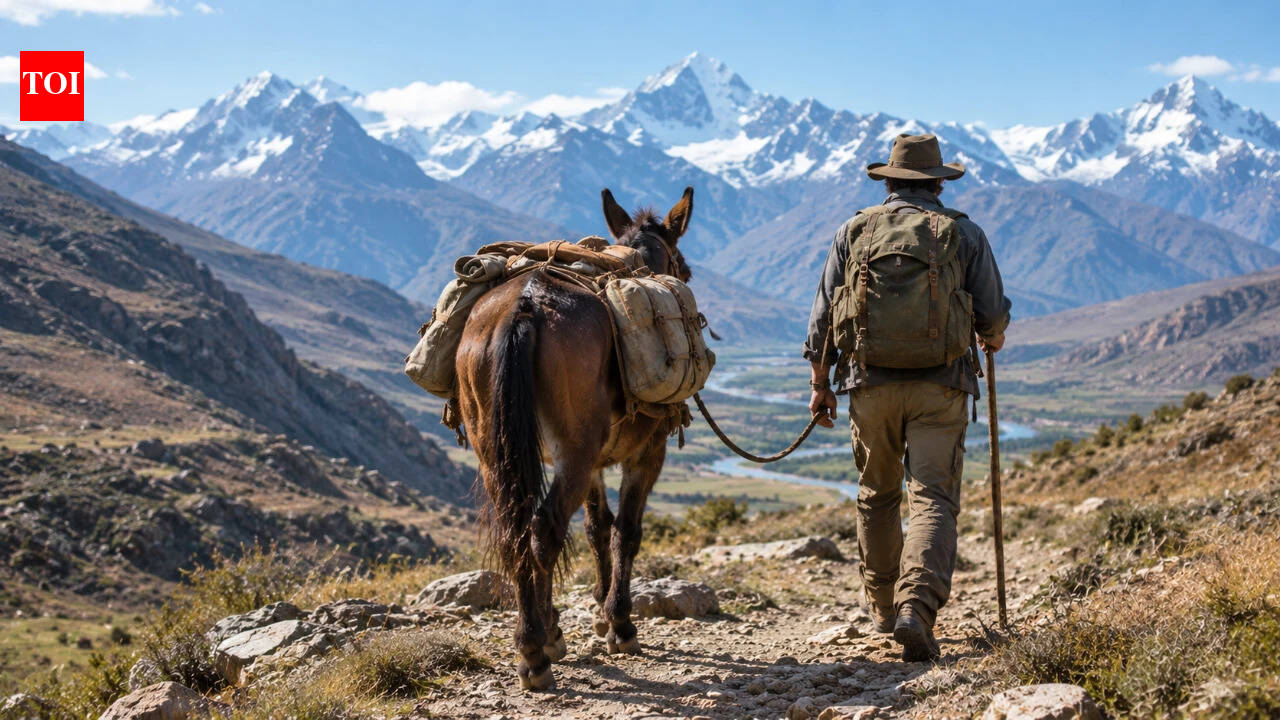
In the year 1970, two brothers from Minnesota set out on a remarkable journey to walk around the world. Their adventure took a tragic turn when one brother was killed in Afghanistan, forcing the surviving brother, David Kunst, to continue alone. Despite the h…
In 1970, an ambitious expedition began when two brothers from Minnesota embarked on an extraordinary trek: to circumnavigate the globe entirely on foot. Their plan was not only a test of endurance but also a pioneering endeavor in long-distance walking, carried out alongside a mule for support. This journey would span continents and cultures, marking an unprecedented feat in travel history.
The brothers’ route led them across diverse terrains and through multiple countries, exposing them to both the wonders and dangers of remote regions. However, the expedition took a devastating turn during their passage through Afghanistan. In a tragic encounter with bandits, one of the brothers was fatally shot. This incident abruptly transformed what had been a shared dream into a solitary trial.
Related stories

Left alone to continue the mission, David Kunst faced the daunting challenge of completing the circumnavigation without his sibling. Despite the emotional and physical toll, he persevered, demonstrating remarkable resilience and determination. Over the course of the next four years, Kunst resumed his journey, covering thousands of miles on foot and navigating complex geopolitical landscapes.
His perseverance culminated in the successful completion of the world walk, a milestone that not only honored his brother’s memory but also solidified Kunst’s place in exploration history. The expedition is recognized as one of the earliest documented cases of a global walk, setting a precedent for future adventurers.
The journey’s significance extends beyond its extraordinary physical demands. It highlighted the risks faced by travelers in politically unstable regions, especially during an era when global communication and security measures were far less advanced. Kunst’s experience in Afghanistan underscored the unpredictable nature of exploring remote areas during the early 1970s.
Moreover, the use of a mule for support during the walk reflects a strategic approach to long-distance travel that combined traditional animal assistance with human endurance. This choice facilitated the carrying of supplies and equipment necessary for survival over extended periods.
While the full details of the brothers’ route and encounters remain limited, the overarching narrative is one of courage, loss, and ultimate triumph. Kunst’s journey stands as a testament to human resolve and the spirit of adventure that drives individuals to push beyond conventional boundaries.
According to reports by timesofindia.indiatimes.com, the expedition has since inspired others who seek to undertake similar global walks, contributing to a growing appreciation for pedestrian exploration. David Kunst’s story remains a compelling chapter in the history of travel and endurance challenges, emphasizing both the perils and possibilities inherent in such endeavors.
Full story & global impact
This article was synthesized and rewritten by MusicTop Editorial from reporting published by timesofindia.indiatimes.com. Read the publisher's report for the complete source context.
Read original source: timesofindia.indiatimes.com