About 43,674 light-up children’s toys sold for around $1 from 2016 to 2026 are being recalled because their button batteries can be accessed without a tool, creating an ingestion and chemical-burn risk
Published September 25, 2026 · WORLD
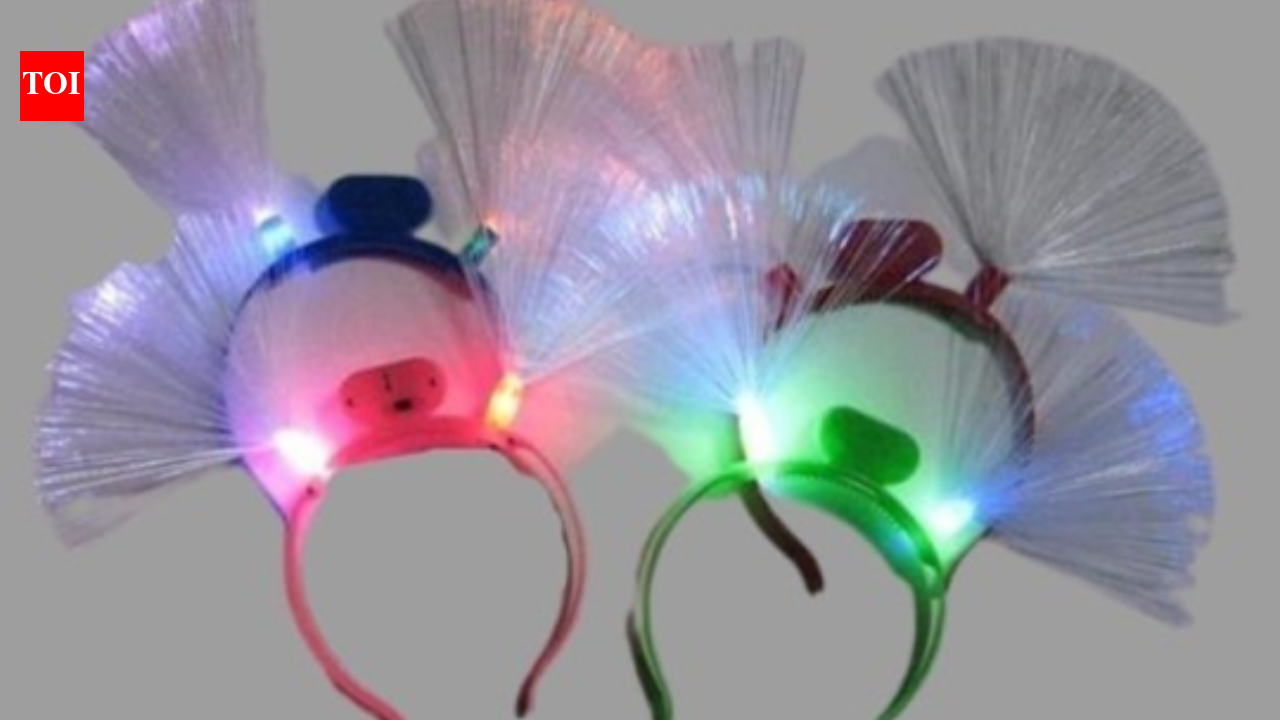
Attention parents: approximately 43,674 light-up children's toys have been recalled due to dangerous battery compartments that children can easily access. This recall affects light-up glasses, crown headbands, sparkle headbands, and light-up ties sold from Se…
A significant recall has been announced involving approximately 43,674 children's light-up toys sold over a decade, from 2016 through 2026. These items, which include light-up glasses, crown and sparkle headbands, as well as light-up ties, were found to have battery compartments that can be opened without the use of tools. This design flaw has raised serious safety concerns related to the risk of button battery ingestion and potential chemical burns.
The affected toys were distributed through various retail outlets, with many priced around the one-dollar mark, making them accessible and popular among children. The ease with which young users can access the button batteries inside these products exposes them to a critical hazard, as ingestion of such batteries can cause severe internal injuries or even be fatal.
Related stories



This recall stems from investigations and reports underscoring the dangers posed by unsecured battery compartments in children's toys. Button batteries, while small and seemingly innocuous, carry significant risks when swallowed. The chemical composition can cause rapid and severe tissue damage inside the body, leading to chemical burns and other life-threatening conditions.
The toys in question span multiple product categories but share the common feature of integrated light-up elements powered by button batteries. The absence of a secure locking mechanism on the battery compartments means that children can easily remove the batteries without adult supervision or the need for specialized tools.
Parents and caregivers have been urged to check for these specific items in their homes and to discontinue their use immediately. The recall notice, as reported by timesofindia.indiatimes.com, advises that affected toys be returned to the place of purchase or disposed of safely to prevent accidental ingestion incidents.
This safety alert highlights ongoing challenges in toy manufacturing standards, particularly for low-cost items designed for younger children. Despite regulations and guidelines aimed at preventing such hazards, this case demonstrates that vigilance and prompt corrective actions remain necessary to protect children.
Manufacturers and retailers are now tasked with ensuring that battery compartments on children's products are tamper-resistant and meet stringent safety requirements. The recall also serves as a reminder for parents to supervise young children when using light-up and electronic toys, regardless of price or familiarity with the product.
At present, details regarding the manufacturers involved or specific retail chains distributing these items have not been fully disclosed, leaving some questions about the supply chain and inventory oversight. Authorities continue to investigate and monitor compliance to prevent further risks.
This incident underscores the importance of rigorous safety testing and transparent communication between manufacturers, regulators, and consumers. As technology and design evolve, safeguarding children's products must remain a priority to avoid preventable injuries.
Ultimately, the recall of these 43,674 light-up toys serves as a crucial intervention to mitigate a recognized danger. It calls for heightened awareness surrounding the potential hazards of button batteries in children's products and reinforces the need for continued diligence in product safety standards.
Full story & global impact
This article was synthesized and rewritten by MusicTop Editorial from reporting published by timesofindia.indiatimes.com. Read the publisher's report for the complete source context.
Read original source: timesofindia.indiatimes.com