High Society director Rachel Kavanaugh: ‘Jukebox is often used disparagingly. But a jukebox musical can be brilliant’
Published September 26, 2026 · WORLD

Musicals are a formidably expensive business, and the jukebox variety offer a sense of security to both producers and spectators
Jukebox musicals, often dismissed by critics as formulaic or purely commercial ventures, have become a dominant force on major theatre stages like Broadway and the West End. Despite the skepticism surrounding the genre, director Rachel Kavanaugh offers a perspective that challenges these preconceptions by underscoring the artistic possibilities inherent in jukebox productions.
Kavanaugh, with a career spanning three decades, has been instrumental in bringing multiple jukebox musicals to life. Her projects include A Knight’s Tale, which creatively integrates hits from Queen, Robbie Williams, and The Proclaimers to reinvent the narrative of the 2001 film, and Here & Now, which utilized the 1990s pop repertoire of Steps to construct an original romantic story. These works demonstrate her commitment to elevating the jukebox format beyond a mere compilation of familiar songs.
Related stories
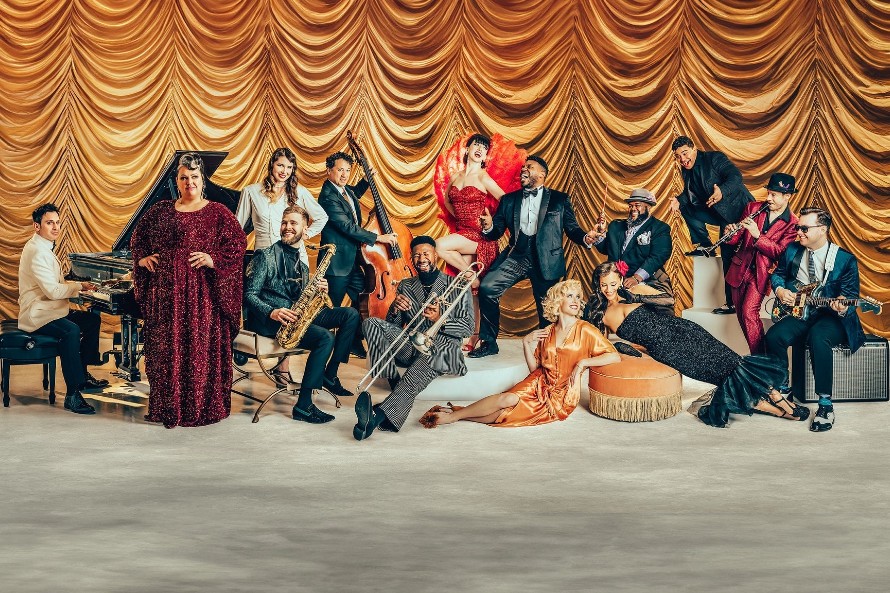


Currently touring, Kavanaugh’s production of High Society exemplifies her hybrid approach to jukebox musicals. This adaptation of the 1956 film starring Bing Crosby and Grace Kelly draws extensively from Cole Porter’s catalog. Unlike traditional jukebox shows that repurpose a broad songbook to fit a new storyline, High Society’s score largely originates from the film’s own music, augmented by lesser-known Porter compositions from his broader oeuvre. This nuanced use of existing material blurs the lines between a classic musical and a jukebox production.
Kavanaugh points out that High Society lacks a definitive stage version, a challenge that allowed her to blend her experience with both classic musicals and newer commercial works. The film’s original musical numbers provided a foundation but were considered light in narrative depth. To enhance the theatrical experience, Kavanaugh and musical supervisor Stephen Ridley expanded the score with additional Porter songs, including standards like “Under My Skin” and “You Do Something to Me,” enriching the emotional texture of the story.
This expansion also involved reimagining the arrangements to suit contemporary musical theatre expectations. Traditional Porter songs often conclude gently, without the dramatic climaxes typical of theatrical numbers. By introducing more pronounced endings or “buttons” to the songs, Kavanaugh ensured the music would support the production’s narrative momentum and dramatic arcs.
The director also embraced Porter’s pragmatic approach to songwriting, noting his history of adapting songs across different contexts. This philosophy gave her creative confidence in reshaping the score while maintaining respect for the composer’s legacy.
Kavanaugh’s theatrical vision for High Society draws influence from her extensive experience directing Shakespearean comedies. She identifies parallels between the musical’s romantic entanglements and Shakespeare’s themes of mistaken identities and social boundary dissolution, culminating in harmonious resolutions. The production’s design, inspired by A Midsummer Night’s Dream, reflects this transition from formal interiors to liberating outdoor spaces, metaphorically underscoring the narrative’s emotional journey.
Practical considerations also shaped the production, with touring capabilities prioritized from inception. The set was designed for adaptability, ensuring consistency and quality across venues, including the upcoming Dublin engagement at Bord Gáis Energy Theatre in October 2025. Similarly, the cast was assembled for long-term commitment rather than segmented runs, blending seasoned musical theatre performers like Helen George and Julian Ovenden with newcomers such as Freddie Fox, who delivers a notable debut in the musical theatre realm.
Through this meticulous and inventive approach, Kavanaugh aims to demonstrate that jukebox musicals can transcend their commercial reputation to offer sophisticated, emotionally resonant theatre experiences. High Society exemplifies this potential by merging the familiarity of beloved songs with refreshed storytelling and staging, inviting audiences to reconsider the genre’s artistic merit.
As jukebox musicals continue to dominate the commercial theatre landscape, Kavanaugh’s work underscores a growing recognition that these productions, when thoughtfully crafted, can be both financially viable and artistically impactful.
Full story & global impact
This article was synthesized and rewritten by MusicTop Editorial from reporting published by irishtimes.com. Read the publisher's report for the complete source context.
Read original source: irishtimes.com