The Top Song From Every Year in the 1970s
Published September 29, 2026 · WORLD
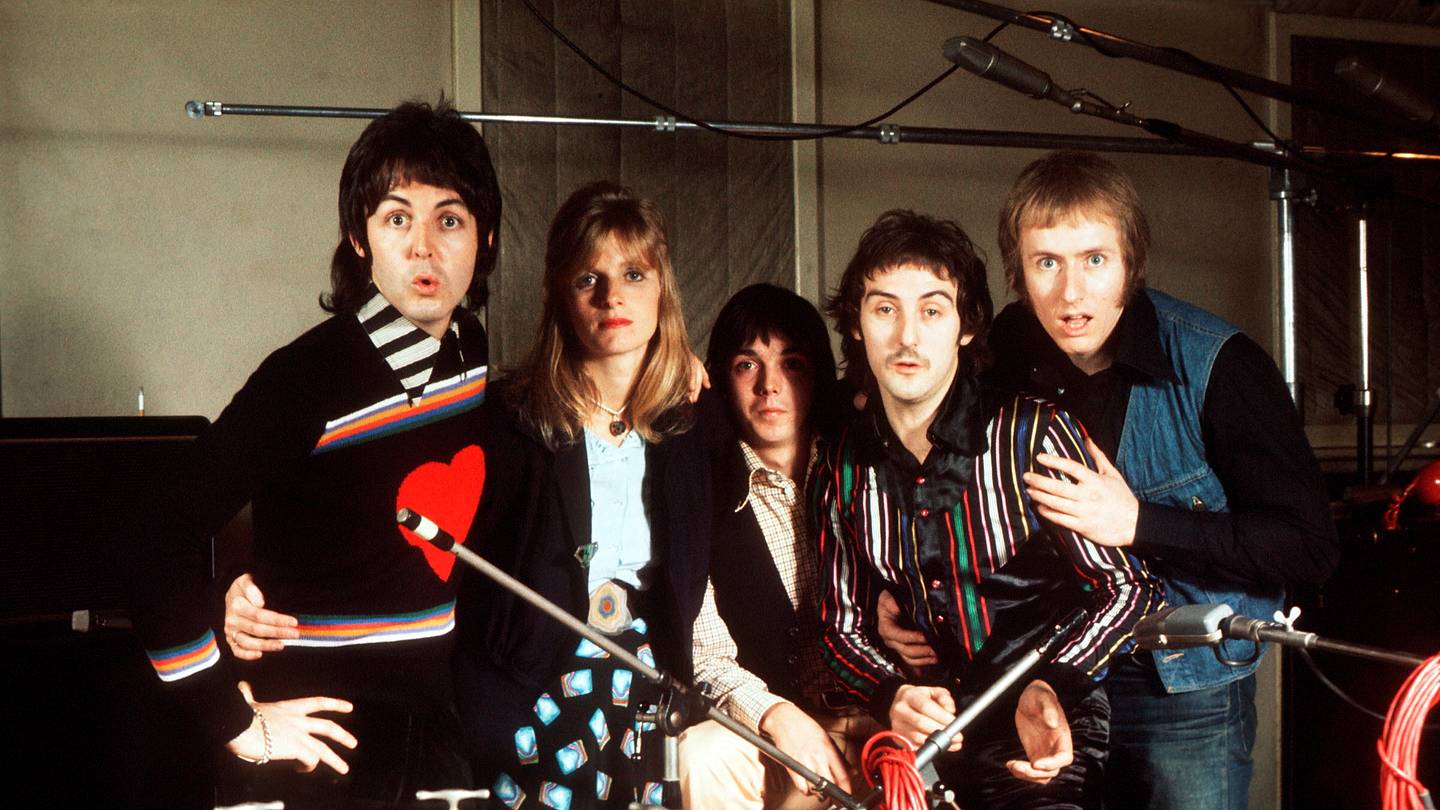
Hits by Simon & Garfunkel, Andy Gibb, and Rod Stewart dominated the '70s. Learn the stories behind the biggest songs of the decade here.
The 1970s music scene was marked by an eclectic mix of styles and unforgettable chart-toppers that continue to resonate today. Each year brought a defining hit that captured the cultural spirit and musical innovation of the decade. Billboard’s year-end rankings reveal a panorama of songs that not only dominated the airwaves but also carried unique stories of creation and impact.
Starting the decade, the haunting ballad "Bridge over Troubled Water" emerged from Simon & Garfunkel’s collaboration, inspired by Paul Simon’s reflections amid the turbulence of the late 1960s. The song’s soulful orchestration and Art Garfunkel’s emotive vocals made it an anthem of comfort during times of social unrest. The recording process and subsequent live performances highlighted underlying tensions between the duo, yet the song’s message of solace transcended their personal dynamics.
Related stories
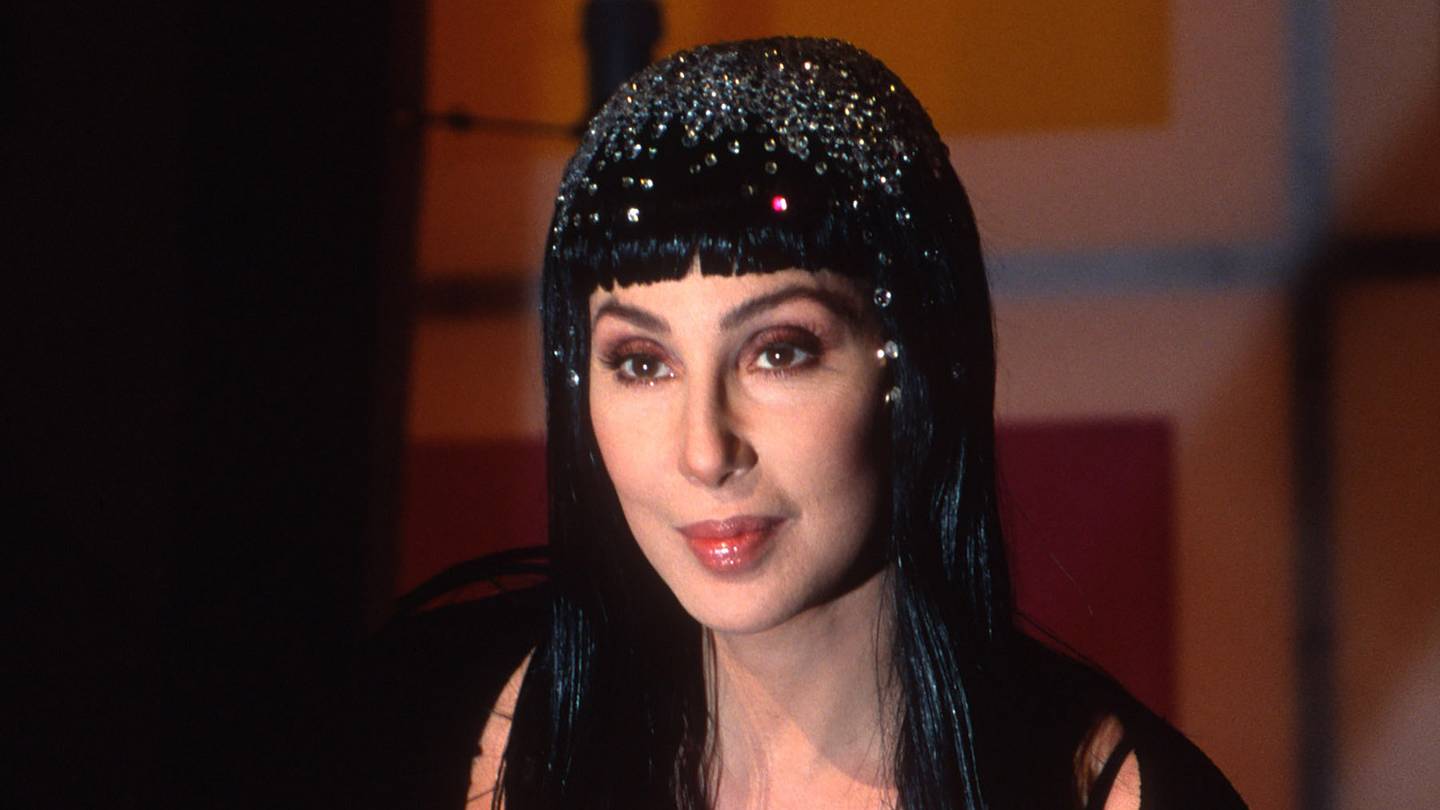
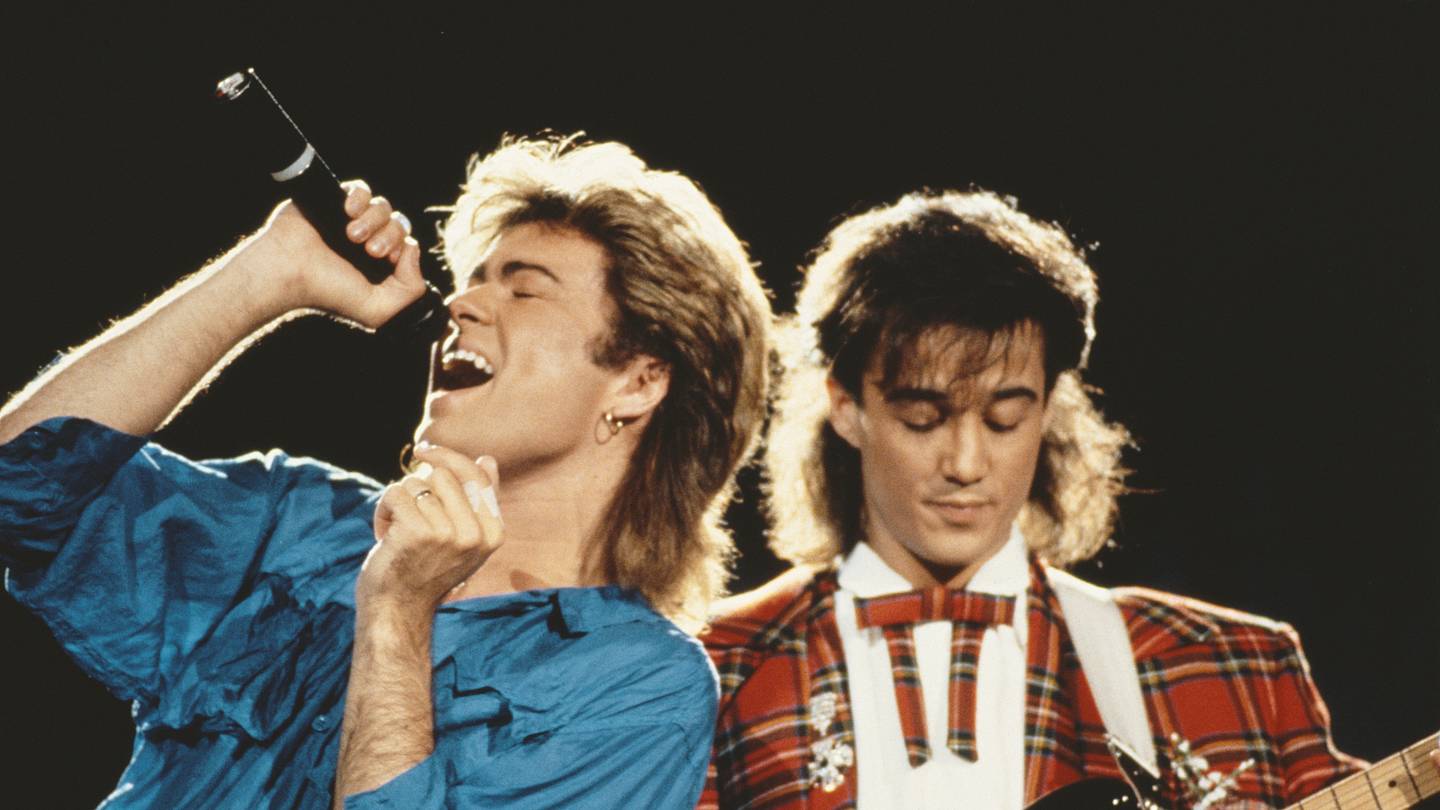

1971's standout hit, “Joy to the World” by Three Dog Night, originated from a country songwriter’s quirky concept involving a bullfrog. The band’s embrace of the playful lyrics turned the track into a unifying, exuberant anthem that appealed broadly across demographics. The song’s infectious chorus and carefree vibe captured a collective desire for joy amid the decade’s ongoing challenges.
Roberta Flack’s rendition of “The First Time Ever I Saw Your Face” became emblematic of the early 1970s’ soulful depth. Initially a folk composition, Flack’s version gained widespread acclaim after featuring in a major film, propelling her into stardom and cementing the song as a timeless expression of intimate emotion.
The mid-decade brought a narrative-rich hit with “Tie a Yellow Ribbon Round the Ole Oak Tree,” a song born from a poignant story of a returning prisoner seeking reassurance. Though rooted in a simple, symbolic gesture, the track popularized the yellow ribbon tradition and became a chart-topping success, intertwining storytelling with widespread cultural significance.
Barbra Streisand’s “The Way We Were,” the title track for a 1973 romantic drama, showcased the fusion of cinematic storytelling and music. Composed by Marvin Hamlisch with lyrics by the Bergmans, the song delicately balanced melancholy and hope, aligning perfectly with Streisand’s vocal style and the film’s narrative. It became her first number one hit and defined the musical mood of that year.
In 1975, Captain & Tennille delivered the catchy “Love Will Keep Us Together,” a track highlighting the endurance of creative partnerships over physical distance, rather than a traditional romantic theme. The song’s enduring appeal underscored the decade’s embrace of upbeat, optimistic pop.
Paul McCartney’s Wings struck a chord with “Silly Love Songs,” a response to criticism labeling his work as frivolous. McCartney defended the validity of love-themed music, crafting a track that celebrated the complexity and necessity of love in life. Written in Hawaii, the song’s success reaffirmed love as a central and serious subject in pop music.
Rod Stewart’s “Da Ya Think I’m Sexy?” stirred controversy with its provocative lyrics, resulting in limited radio play in some regions. The song’s catchy disco-infused rhythm, combined with a memorable French vocal cameo by Stewart’s then-girlfriend, contributed to its widespread popularity despite—or perhaps because of—the scandal it generated.
The Bee Gees’ younger brother, Andy Gibb, achieved his own spotlight in 1978 with a collaborative hit crafted alongside his famous siblings. The song’s swift composition and polished production reflected the Gibb family’s collective talent and the era’s penchant for smooth, melodic pop.
Closing the decade, “My Sharona” by The Knack epitomized a shift toward edgier, more direct rock music. Written about a young muse, the song’s catchy riffs and controversial lyrics sparked both fascination and backlash, symbolizing the evolving attitudes and sounds that would shape the coming decade’s musical landscape.
Overall, the 1970s chart-toppers encapsulated a dynamic decade of music that ranged from heartfelt ballads and joyous anthems to provocative rock and polished pop. Each song not only dominated the charts but also reflected the cultural and emotional undercurrents of the times, securing their place in music history.
Full story & global impact
This article was synthesized and rewritten by MusicTop Editorial from reporting published by mentalfloss.com. Read the publisher's report for the complete source context.
Read original source: mentalfloss.com