Decline in tourism hits US economy | Semafor
Published October 3, 2026 · WORLD
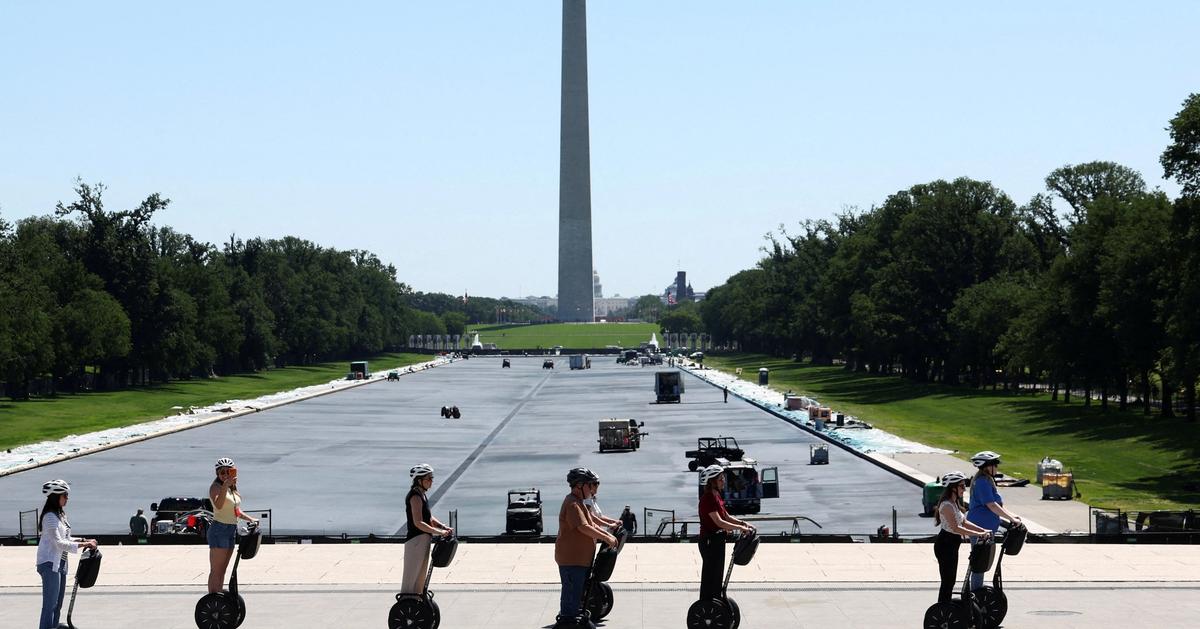
Overseas visitors to the US are on track to drop by almost two million year-on-year.
The United States is experiencing a notable downturn in international tourism, with projections indicating a drop of nearly two million overseas visitors compared to the previous year. This decline persists even in the wake of major global events such as the FIFA Men’s World Cup, which typically stimulate travel activity.
This downward trend in inbound tourism is exerting pressure on the US economy, particularly sectors reliant on foreign visitors. Analysts point to several contributing factors, including deteriorating diplomatic relationships and trade tensions that have strained ties with key traditional sources of tourists such as Canada and various European nations.
Related stories


These allied countries have historically been significant contributors to the inbound visitor population, but ongoing political frictions appear to have dissuaded travel. In contrast, other countries like China have adopted more welcoming policies, including visa-free entry schemes, successfully drawing larger numbers of international tourists.

Moreover, Japan's weakened currency has made it an increasingly attractive destination, leading to record levels of tourism. This shift contrasts sharply with the US's experience, where restrictive entry policies and geopolitical frictions have diminished appeal.
The head of the US Travel Association has highlighted the uniqueness of the situation, noting the United States stands out as one of the few major nations experiencing a decline in inbound travelers. Such a trend is unusual given the country’s historically strong position in the global tourism market.
Industry observers emphasize that the reduction in visitor numbers is not solely attributable to external factors. Some aspects are considered self-inflicted, linked to policy decisions and diplomatic postures that have inadvertently discouraged travel from important allies.

While large scale events like the FIFA Men’s World Cup generally boost international arrivals, their impact in this cycle has been insufficient to counterbalance the broader downward trajectory. This suggests underlying issues in the US's ability to attract and retain overseas visitors.
The economic ramifications extend beyond tourism-specific sectors, affecting retail, hospitality, and cultural industries that benefit from the spending power of foreign tourists. The decline underscores the interconnectedness of international relations, economic policies, and tourism dynamics.
Efforts to reverse this trend remain uncertain, with details about potential policy shifts or strategic responses yet to emerge. Meanwhile, competing destinations continue to capitalize on more favorable conditions to lure tourists away from the US.
Overall, the current situation presents a complex challenge for the US, requiring a reassessment of how its international image and travel policies align with the country's economic and cultural objectives. The evolving landscape of global tourism underscores the importance of maintaining open and welcoming environments for international visitors.
Full story & global impact
This article was synthesized and rewritten by MusicTop Editorial from reporting published by semafor.com. Read the publisher's report for the complete source context.
Read original source: semafor.com