In 1987, Mississippi rebuilt 1.5 miles of State Route 15 with pond ash from a coal plant; after three years, its stronger ash sections bent far less than the ordinary control road
Published October 3, 2026 · WORLD
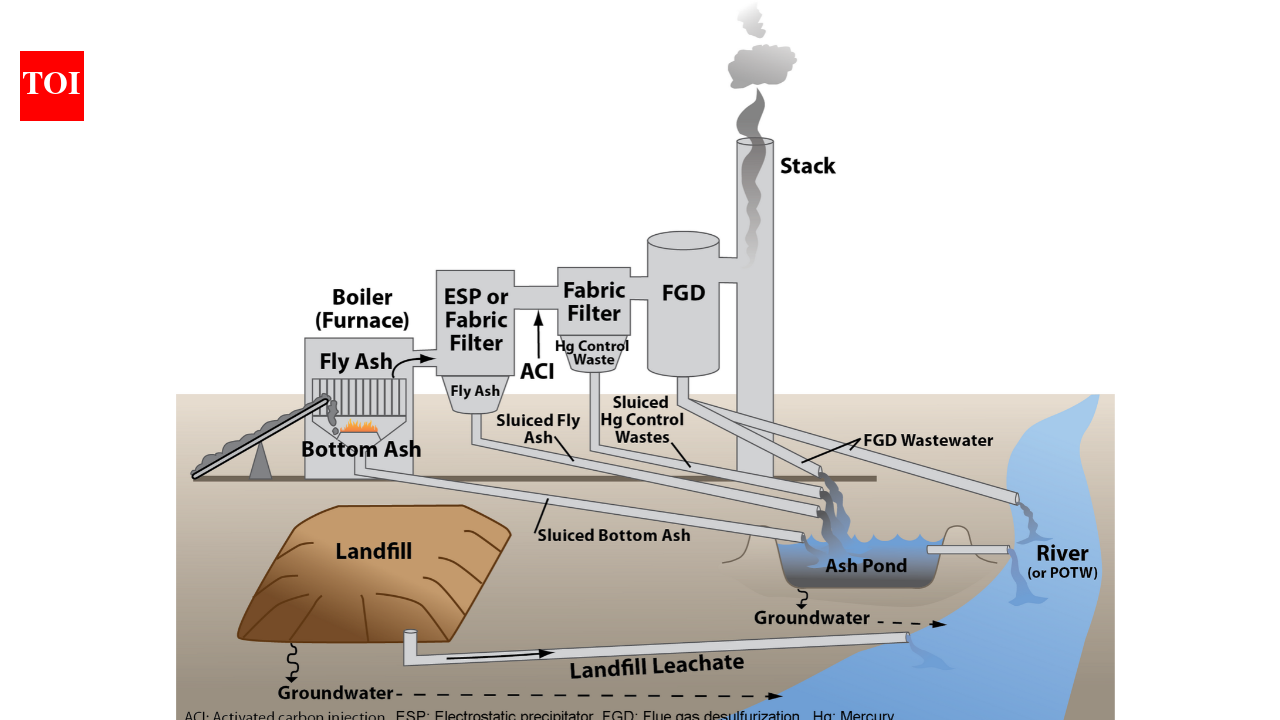
In Mississippi, a project evaluated the use of pond ash in road construction implemented in 1987. The project tracked five test sections with different stabilizing materials over three years to assess their performance. Measurements included pavement deflecti…
In 1987, an innovative infrastructure project in Mississippi explored the application of pond ash, a byproduct of coal-fired power plants, as a stabilizing material in road construction. This experiment involved reconstructing a 1.5-mile stretch of State Route 15 using pond ash and other additives to evaluate their effectiveness in enhancing pavement strength and longevity.
The project segmented the rebuilt road into five distinct test sections, each treated with a different stabilization approach. Over a monitoring period of three years, engineers assessed the performance of these sections primarily by measuring pavement deflections, a key indicator of structural integrity and resistance to deformation under traffic loads.
Related stories

Results from the study, reported by timesofindia.indiatimes.com, revealed that sections incorporating pond ash exhibited considerably less bending compared to the untreated control sections. This reduced deflection suggested that the pond ash contributed to a more resilient and robust pavement structure, potentially offering a cost-effective and sustainable solution for road maintenance and construction.
Pond ash, typically considered an industrial waste product, derives from the fine particulate matter captured in coal plant ash ponds. Its reuse in road building not only addresses disposal issues but also leverages its physical properties to improve soil stabilization and load distribution.
The Mississippi test served as an early example of recycling industrial byproducts in civil engineering, predating many contemporary sustainability practices. By demonstrating tangible improvements in pavement performance, the project highlighted the viability of pond ash as a valuable construction material rather than mere waste.
While the study's detailed data and subsequent follow-up research remain limited in publicly available documentation, the initial findings underscored the potential environmental and economic benefits of incorporating pond ash into infrastructure projects. Reduced pavement deformation can translate to longer-lasting roads and lower repair costs over time.
This pioneering experiment in Mississippi set a precedent for further investigations into alternative materials for road construction, promoting a shift towards more resource-efficient engineering solutions. It also contributed to ongoing discussions about sustainable management of coal combustion residues in the United States and beyond.
The implications extend to regions seeking cost-effective methods to improve transportation networks without relying solely on traditional aggregates or chemical stabilizers. The Mississippi project’s three-year performance tracking provides a foundational case supporting the controlled reuse of industrial byproducts in public works.
In summary, the 1987 reconstruction of part of State Route 15 using pond ash demonstrated notable structural advantages over conventional approaches. The reduced pavement bending observed over several years validates the consideration of pond ash as a functional, durable component in road stabilization strategies, aligning infrastructure development with environmental stewardship.
Full story & global impact
This article was synthesized and rewritten by MusicTop Editorial from reporting published by timesofindia.indiatimes.com. Read the publisher's report for the complete source context.
Read original source: timesofindia.indiatimes.com