In 1876, a New York artist sculpted Cleopatra’s death; 100 years later, it was found as a horse’s gravestone
Published October 7, 2026 · WORLD
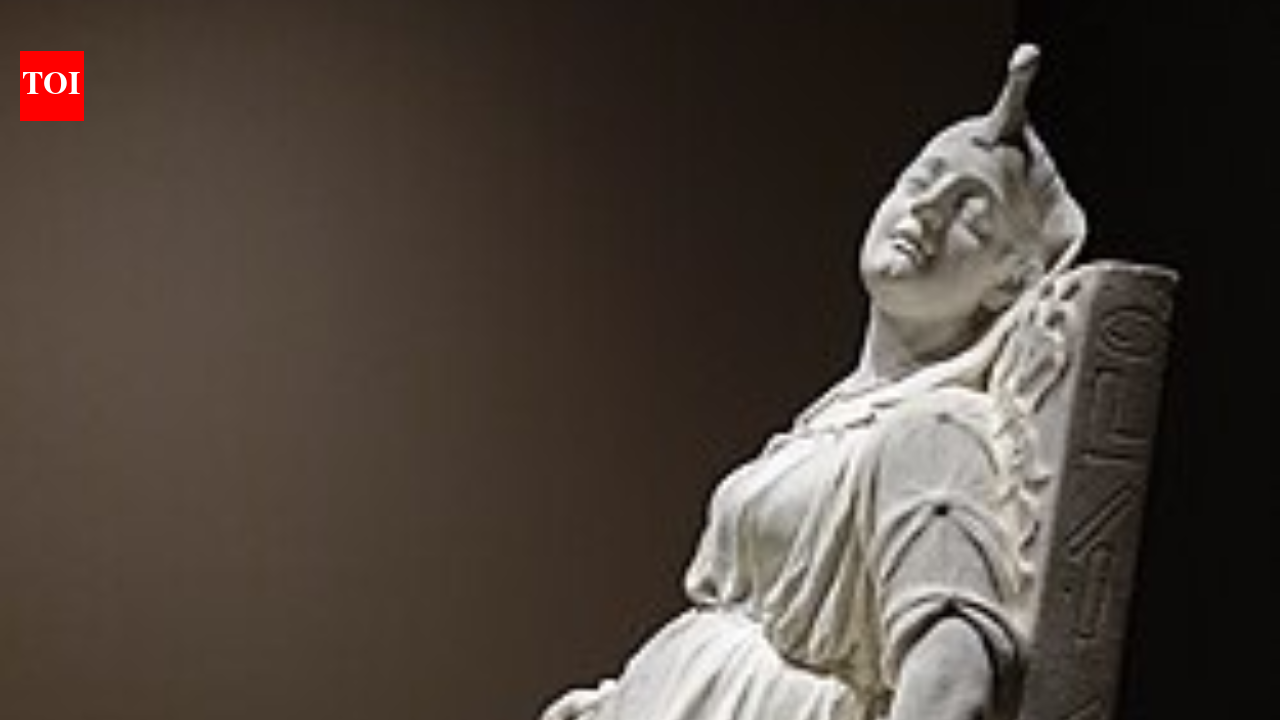
Edmonia Lewis, a trailblazing artist of mixed heritage, crafted the striking sculpture The Death of Cleopatra in 1876, which initially garnered accolades. However, the piece disappeared for many years, only to be found in an unsuspecting salvage yard. Faced w…
In 1876, Edmonia Lewis, an artist of African American and Native American descent, created an evocative sculpture titled The Death of Cleopatra. This piece, which captured significant attention at the time, demonstrated Lewis’s unique ability to blend neoclassical style with powerful emotional narrative. Her work was recognized for both its artistic merit and the cultural significance of her identity in a predominantly white art world.
Despite the acclaim it initially received, The Death of Cleopatra eventually fell into obscurity. For many years, the whereabouts of this notable sculpture remained unknown to art historians and the public alike. This disappearance added to the challenges of preserving and acknowledging the contributions of artists from marginalized backgrounds during the 19th century.
Related stories

The sculpture’s story took an unexpected turn when it was discovered over a century later in a salvage yard, where it had been repurposed as a gravestone for a horse. The transformation of a significant artwork into a utilitarian object underscores the complexities surrounding the preservation of art, especially pieces created by minority artists whose legacies have not always been fully safeguarded.

The rediscovery invites renewed interest in Edmonia Lewis’s body of work and the broader historical context in which she operated. It highlights the fragile nature of art preservation and the importance of recognizing and restoring lost cultural artifacts. While details about how the sculpture ended up in such an unlikely setting remain limited, its recovery provides an opportunity to reexamine Lewis’s influence in American art history.
Lewis’s career itself was groundbreaking. As a woman of mixed heritage working in the 19th century, she faced systemic barriers that often marginalized her contributions. Her ability to achieve recognition during her lifetime, and now the posthumous revival of one of her key works, reflect ongoing efforts to broaden the art historical canon to be more inclusive.
The Death of Cleopatra captures a dramatic moment from ancient history, interpreted through Lewis’s distinctive artistic lens. This theme resonated deeply in the 19th century, a period fascinated by classical subjects, but Lewis’s rendition brought a personal depth and cultural significance that set it apart.

The sculpture’s disappearance and subsequent rediscovery also raise questions about the stewardship of artworks, particularly those by artists who were historically overlooked. It underscores the need for vigilant archival practices and the reevaluation of art collections to ensure that important works are not lost to time or neglect.
This episode, reported by timesofindia.indiatimes.com, serves as a compelling reminder of the fluctuating fortunes of art objects and the ongoing journey to reclaim and celebrate the legacies of pioneering artists like Edmonia Lewis. It reinforces the importance of continuous research and public awareness in the preservation of cultural heritage.
Full story & global impact
This article was synthesized and rewritten by MusicTop Editorial from reporting published by timesofindia.indiatimes.com. Read the publisher's report for the complete source context.
Read original source: timesofindia.indiatimes.com