These Were the Top 10 Albums on the Billboard 200 in January 1966
Published October 12, 2026 · WORLD

Let’s look at the albums in the top 10 on the Billboard 200 on Jan. 8, 1966, when The Beatles' 'Rubber Soul' shot from No. 60 to No. 1.
The Billboard 200 albums chart in early 1966 showcased a vibrant snapshot of popular music’s evolving landscape, crowned by The Beatles’ Rubber Soul making a dramatic leap to the top spot on January 8. This ascent marked a pivotal moment in the band’s career, as Rubber Soul dethroned Herb Alpert & the Tijuana Brass’s Whipped Cream & Other Delights, which had dominated the chart with its catchy instrumental hits.
Rubber Soul’s rise to No. 1 was swift and emphatic, jumping from No. 60 in just three weeks. The album held the leading position for six consecutive weeks, underscoring the Fab Four’s growing influence on popular music during the mid-1960s. Featuring timeless tracks such as “Norwegian Wood (This Bird Has Flown),” “Michelle,” and “In My Life,” Rubber Soul was a critical and commercial success that set the stage for subsequent Beatles classics like Revolver and Sgt. Pepper’s Lonely Hearts Club Band.
Related stories
 Jharkhand to launch AI-powered portal to track medicine supply, curb misuse of prescription drugs
Catz ‘n Dogz: “We Were Completely Overstimulated”
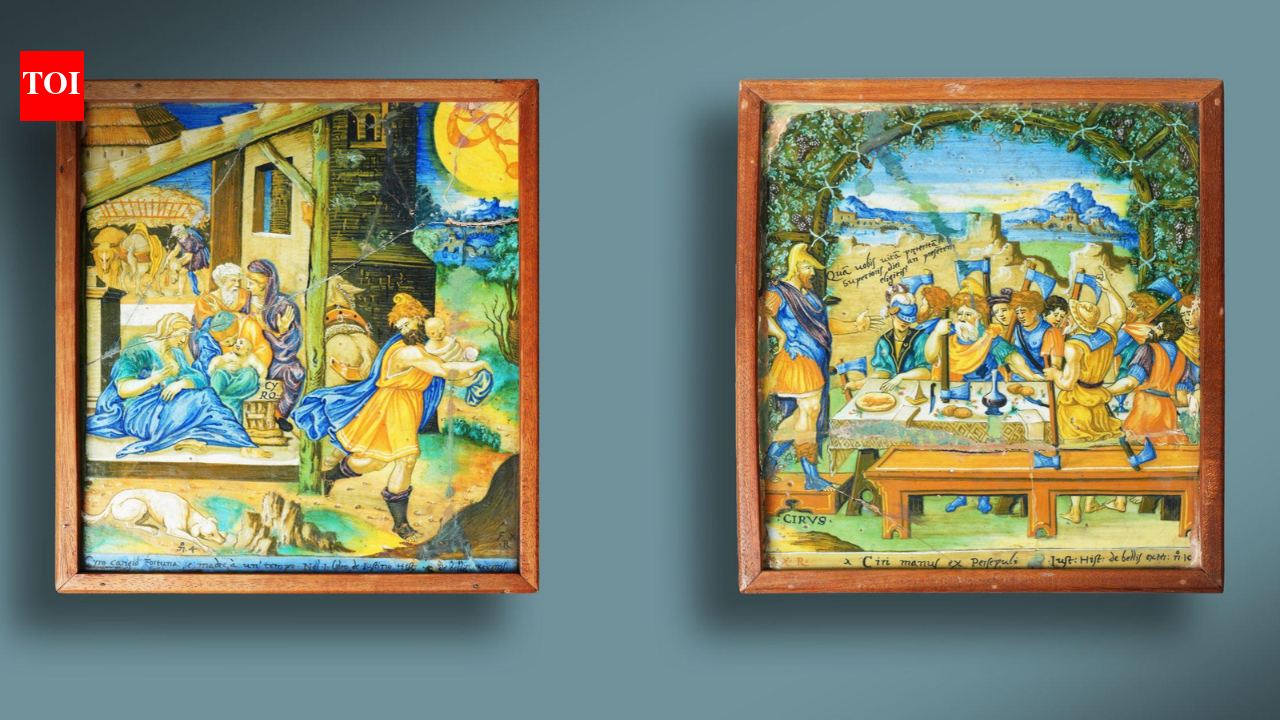 In 1884, two Renaissance plaques disappeared from public view after an auction; 142 years later, they were identified in an English family's hallway and sold for more than £100,000 in October 2026
Herb Alpert’s Tijuana Brass maintained a significant presence with two albums in the top 10, including the enduring Whipped Cream & Other Delights. This record not only enjoyed an extended tenure near the summit but also garnered the Grammy Award for record of the year with its hit “A Taste of Honey.” Alpert’s blend of lively instrumentals and memorable melodies had become a staple of 1960s pop culture, with songs like “Spanish Flea” frequently featured on television programs.
The January 1966 top 10 also featured other prominent artists who were shaping the era’s musical tastes. The Rolling Stones’ album December’s Children (And Everybody’s) brought the band’s distinctive rock sound into the upper ranks of the chart. This release included the No. 1 Hot 100 hit “Get Off My Cloud” and the popular single “As Tears Go By,” reflecting the Stones’ growing appeal in the United States.
Barbra Streisand was another dominant figure on the chart with her album My Name Is Barbra, Volume 2. The record, which tied to her successful television special, demonstrated Streisand’s versatility and appeal beyond traditional pop and Broadway audiences. The album produced charting singles such as “He Touched Me” and “Second Hand Rose,” further cementing her status as a crossover artist.
Elvis Presley’s soundtrack album for his 19th film also placed in the top 10, continuing his streak of significant chart appearances despite mixed critical reception to his mid-1960s cinematic output. Although this period was considered a low point in Presley’s career, his persistent presence on the charts highlighted his sustained popularity.
Eddy Arnold’s My World represented the prominence of country music during this time, securing multiple Grammy nominations and topping the country albums chart for a record-setting 17 weeks. The smooth countrypolitan sound of the album, especially the single “Make the World Go Away,” played a crucial role in modernizing the genre’s appeal.
The soundtrack to The Sound of Music also featured prominently in the January 1966 top 10. Following the massive success of Mary Poppins, this album enjoyed an extensive run on the charts and included songs that became enduring standards. The film’s critical acclaim, reflected in multiple Academy Awards, translated into continued popularity for its soundtrack.
Among the other notable entries was a politically charged comedy album, which satirized figures of the era such as President Lyndon Johnson and his contemporaries. Though comedy albums rarely achieved mainstream chart success, this release received a Grammy nomination, underscoring the diverse nature of popular recordings during this period.
The top 10 albums in January 1966 illustrate a dynamic mix of genres and artists, reflecting the transitional nature of popular music in the mid-1960s. From the innovative songwriting of The Beatles to the instrumental charm of Herb Alpert, the chart captured a moment when rock, pop, country, and soundtrack albums coexisted and competed for listeners’ attention.
Billboard’s historical snapshot of this week in 1966 not only reminds us of the music that defined an era but also highlights the achievements and ongoing legacies of artists who shaped the mid-20th century musical landscape. The chart positions and Grammy recognitions detailed by billboard.com provide a rich context to understand the significance of these albums beyond their immediate commercial success.
Full story & global impact
This article was synthesized and rewritten by MusicTop Editorial from reporting published by billboard.com. Read the publisher's report for the complete source context.
Read original source: billboard.com