6 Songs You May Not Know Paul Simon Wrote
Published October 13, 2026 · WORLD
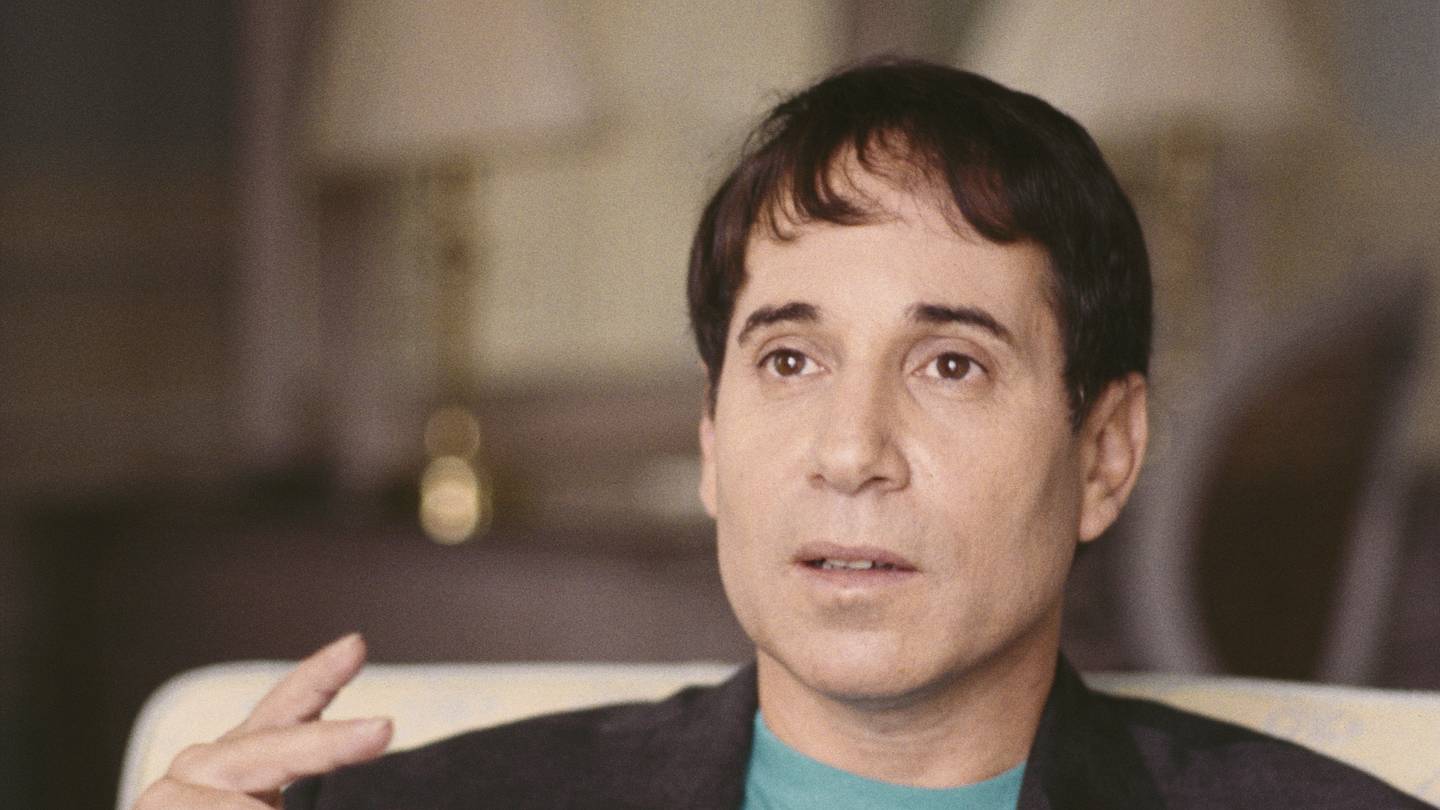
Paul Simon penned a number of tracks that became hits for other artists.
Paul Simon’s legacy as a groundbreaking songwriter is often associated with his own performances and those of Simon & Garfunkel. However, beyond his celebrated solo and duo hits, Simon’s early career includes a notable yet underappreciated contribution to the repertoires of other artists, particularly during the mid-1960s. Several songs he wrote or co-wrote were initially recorded and popularized by other musicians, demonstrating the breadth of his songwriting influence beyond his own voice.
One such example is "Red Rubber Ball," co-written with Bruce Woodley of The Seekers. This song was originally offered to Woodley’s band but was declined. During Simon & Garfunkel’s 1966 tour, The Cyrkle, who were opening acts, came across the piece in a rough demo form with Paul Simon singing and playing guitar. The Cyrkle embraced the tune, releasing it as a single that climbed to No. 2 on the Billboard Hot 100. The success of "Red Rubber Ball" propelled The Cyrkle to prominence, even securing them a spot opening for the Beatles on their final North American tour. Over time, the song also attracted covers by notable artists including Neil Diamond and Cliff Richard.
Another significant track is "The Sun Is Burning," written by Simon and first released by folk singer Dorris Henderson on her 1965 album. The song reflects on the passage of time with poignant lyricism that resonated in Henderson’s rendition, which gained attention before Simon & Garfunkel included their version in their catalog. This song highlights Simon’s early poetic sensibility, showcasing his ability to craft introspective and evocative narratives.

"I Wish You Could Be Here," a composition Simon co-wrote and initially released through Chad & Jeremy in 1965, also found later expression through Simon & Garfunkel’s own recording in 1966. The song was inspired by Simon’s travels in Liverpool, capturing vivid memories of the locale and the youthful experiences tied to that city. Despite Simon’s personal ambivalence toward the song, describing it as less original compared to his later work, it remains a charming snapshot of his early songwriting style.
In collaboration again with Bruce Woodley, Simon co-created "Cloudy," a track that was released as a single by The Seekers in 1966. The Cyrkle also recorded this song, achieving moderate chart success in 1967. Although Simon & Garfunkel never formally released their own version, "Cloudy" stands as a testament to Simon’s collaborative efforts and his ability to craft songs that suited diverse voices and styles.
"Someday Baby," written by Simon in 1965, followed a similar path. The Seekers released it in 1966, where it enjoyed chart presence in countries like Australia and New Zealand. Later, Dana Valery, an Italian-born, South African-raised artist, became the first to release this song in 1967. Valery’s rendition gained a distinct audience, with the track emerging as a northern soul favorite in the UK, maintaining a lasting legacy in underground dance scenes.

While much of Paul Simon’s fame stems from his groundbreaking solo projects and iconic partnership with Art Garfunkel, these lesser-known contributions to other artists' catalogs reveal a dimension of his early career dedicated to songwriting beyond his personal performance. These songs, written mostly in the 1960s, showcase Simon’s varied collaborations and the international reach of his compositions, many of which became hits or cult favorites in their own right. They also illustrate the formative period of Simon’s career when his songwriting was gaining traction and influencing the broader musical landscape.
Throughout his career, Simon has acknowledged the mysterious nature of songwriting, emphasizing honesty and simplicity as key foundations. These principles can be traced back to the songs mentioned here, where straightforward and genuine themes helped these tracks connect with audiences despite being performed by others.
In summary, Paul Simon’s songwriting prowess extends well beyond his own recordings, with multiple tracks from his early years gaining commercial success and cultural significance through the voices of other musicians. These songs not only enriched the catalogs of their interpreters but also contributed to the shaping of 1960s pop and folk music across different regions. The details surrounding these songs remain limited to their initial releases and chart performances, but their enduring appeal underscores Simon’s role as a versatile and influential figure in the music industry.
Full story & global impact
This article was synthesized and rewritten by MusicTop Editorial from reporting published by mentalfloss.com. Read the publisher's report for the complete source context.
Read original source: mentalfloss.com