25 Songs You Didn’t Know Were Written for Movies
Published October 15, 2026 · WORLD
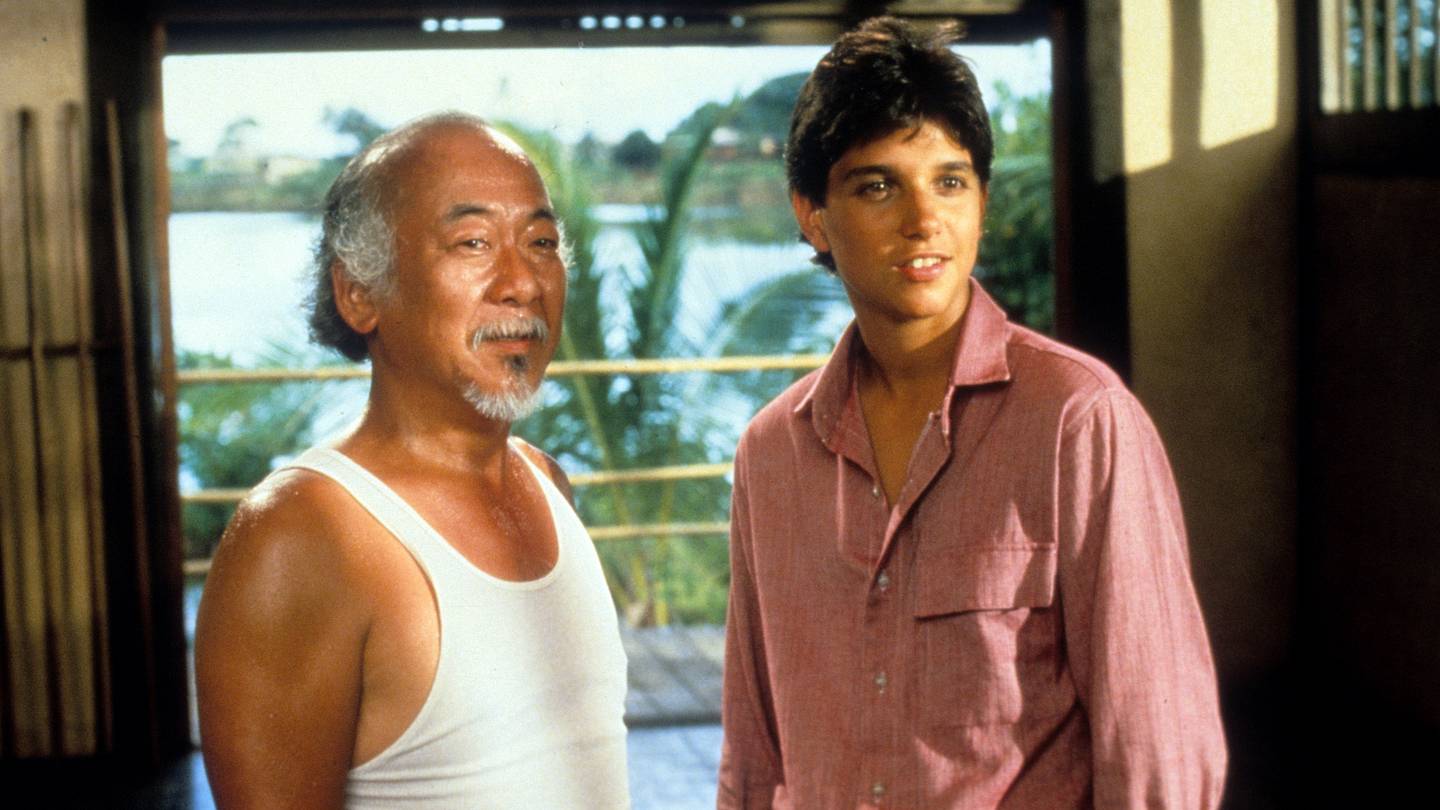
These iconic songs were written specifically for the silver screen!
The relationship between cinema and music has produced some of the most memorable songs in popular culture, many of which were conceived expressly for film soundtracks. These compositions have often transcended their cinematic origins to become standalone classics, resonating with audiences worldwide across decades.
In the early days of Hollywood, composers and lyricists frequently created songs tailored for musicals and dramatic features. Irving Berlin’s timeless “Cheek to Cheek” was penned for the 1935 film "Top Hat," starring Fred Astaire and Ginger Rogers, earning Berlin an Academy Award nomination. Similarly, Cole Porter wrote “I’ve Got You Under My Skin” for the 1936 musical "Born to Dance," which also secured a nomination, reflecting the era’s strong integration of original music with film narratives.
Related stories

The 1940s brought with it enduring standards such as “Chattanooga Choo Choo,” composed for the 1941 musical "Sun Valley Serenade." This track not only achieved commercial success as the first gold record in the United States but also gained recognition through induction into the Grammy Hall of Fame decades later. Another hallmark composition from the decade, “White Christmas,” crafted by Irving Berlin for the 1942 film "Holiday Inn," became a cultural mainstay, winning the Oscar for Best Original Song and marking a significant milestone in cinematic music history.
Moving to the 1950s, “That’s Amore,” famously associated with Dean Martin, was created specifically for the 1953 comedy "The Caddy." The song’s backstory involves star Jerry Lewis commissioning the piece to enhance the film, demonstrating how music was strategically employed to augment on-screen performances and star personas.
The latter half of the 20th century saw a surge in contemporary pop and rock songs composed for movies, often yielding chart-topping hits. Simon & Garfunkel’s “Mrs. Robinson” became synonymous with Mike Nichols’ 1967 film "The Graduate," illustrating how filmmakers sought to leverage popular music to deepen emotional resonance. Meanwhile, Phil Collins’ “Against All Odds” was directly commissioned for the 1984 film of the same name, following a personal request from director Taylor Hackford. The song’s success was amplified when Mariah Carey introduced it to a new generation fifteen years later.
Films in the 1980s frequently featured songs that would become emblematic of their time. Blondie’s “Call Me,” co-written by Debbie Harry and Giorgio Moroder, was crafted for "American Gigolo" (1980) and became the band’s biggest hit, despite initial plans to enlist Stevie Nicks. Similarly, Glenn Frey’s “The Heat Is On” helped define the energetic soundtrack of "Beverly Hills Cop" (1984), contributing to the album's multi-million sales.
Country artists also made significant contributions to film soundtracks. Willie Nelson, for instance, was inspired to write a song reflecting life on the road during the making of "Honeysuckle Rose" (1980), producing one of his most recognizable tracks. In the 1990s, Diane Warren’s power ballad “How Do I Live” was originally intended for the thriller "Con Air," resulting in two competing versions by LeAnn Rimes and Trisha Yearwood—a rare chart phenomenon that highlighted the intersection of film and music marketing.
Other artists bridged the gap between alternative music and cinema. Radiohead’s “Exit Music (For a Film)” was composed for Baz Luhrmann’s 1996 adaptation of "Romeo + Juliet," showcasing how modern rock could complement Shakespearean drama. Likewise, Tori Amos contributed original material to several films, with her song “Siren” featured in the 1998 adaptation of "Great Expectations," reflecting the versatility of singer-songwriters in film contexts.
Some songs not only achieved commercial success but also earned critical acclaim. Stevie Wonder wrote multiple tracks for "The Woman in Red" (1984), including the Oscar-winning “I Just Called to Say I Love You.” Lionel Richie’s “Say You, Say Me,” created for the 1985 musical drama "White Nights," secured the Academy Award for Best Original Song, underscoring the prestige that film music can garner.
The enduring impact of these songs is evident in their continued presence in popular media, cover versions, and their role in defining cinematic moments. From Bob Dylan’s “Knockin’ on Heaven’s Door” in "Pat Garrett & Billy the Kid" (1973) to the Goo Goo Dolls’ “Iris” for "City of Angels" (1998), these compositions have become inseparable from the films they were crafted for, while simultaneously achieving independent musical acclaim.
This synthesis of film and music, documented by mentalfloss.com, reveals a rich tradition of original songs that both enhance cinematic storytelling and leave a lasting imprint on the music industry. The interplay between visual narratives and musical expression continues to inspire artists and filmmakers alike, ensuring that some of the most beloved songs owe their genesis not just to the studio, but to the silver screen itself.
Full story & global impact
This article was synthesized and rewritten by MusicTop Editorial from reporting published by mentalfloss.com. Read the publisher's report for the complete source context.
Read original source: mentalfloss.com