4 Beloved Stop-Motion Animated Movies That Took Years to Make, Including 1 That Took Over a Decade
Published October 17, 2026 · WORLD
Have you ever wondered what it takes to make an animated movie? It’s more work than you might think, but when it comes to stop-motion, the process gets even more complicated. Bringing a story to life this way means manually adjusting puppets and photographing…
Stop-motion animation is a meticulous craft demanding extraordinary patience and precision, as filmmakers painstakingly manipulate puppets and sets frame by frame. Unlike conventional animation, this technique involves capturing incremental movements of tangible models, making the process inherently time-intensive. Despite the challenges, some studios commit years, even decades, to perfect their vision, resulting in some of the most memorable animated films in recent history.
Among these, the film ParaNorman stands out not only for its narrative but also for its technical innovation. This story centers on a young boy, Norman Babcock, who possesses the unique ability to communicate with the dead and must confront a supernatural threat facing his town. Production spanned approximately three years, although conceptual work preceded this phase, allowing experimentation with cutting-edge animation methods. Notably, ParaNorman pioneered the use of full-color 3D printing to fabricate character faces, enabling a rich range of emotional expressions through thousands of interchangeable components. This technique enhanced the storytelling by capturing nuanced reactions pivotal to the film’s emotional depth.
Related stories

Kubo and the Two Strings exemplifies how stop-motion can achieve epic scale and emotional resonance. This fantasy narrative follows Kubo, a boy wielding a magical shamisen that animates origami figures, embarking on a quest intertwined with themes of family and memory. The project demanded five years from inception to completion, including two years dedicated to filming. Among its technical feats was the creation of a colossal 16-foot puppet representing a Giant Skeleton, alongside innovative effects blending practical artistry with CGI to simulate dynamic elements like ocean waves. The film’s 1,359 individual shots reflect the painstaking care invested in crafting a visually cohesive and thematically profound experience.
Coraline, often hailed as a milestone in stop-motion animation, demonstrates the genre’s capacity for psychological depth and atmospheric storytelling. The film introduces a young girl who discovers a hidden portal to an alternate, seemingly perfect world with sinister undertones. Coraline’s production involved two years of pre-production followed by eighteen months of filming, with over 130 sets and 52 filming stages employed to realize its intricate universe. At the time, it was among the pioneers in integrating 3D printing with stereoscopic 3D filmmaking, though the process required hand-painting the printed faces, enhancing the tactile quality of characters such as the unsettling Other Mother. This labor-intensive approach contributed significantly to the film’s enduring impact and critical acclaim.
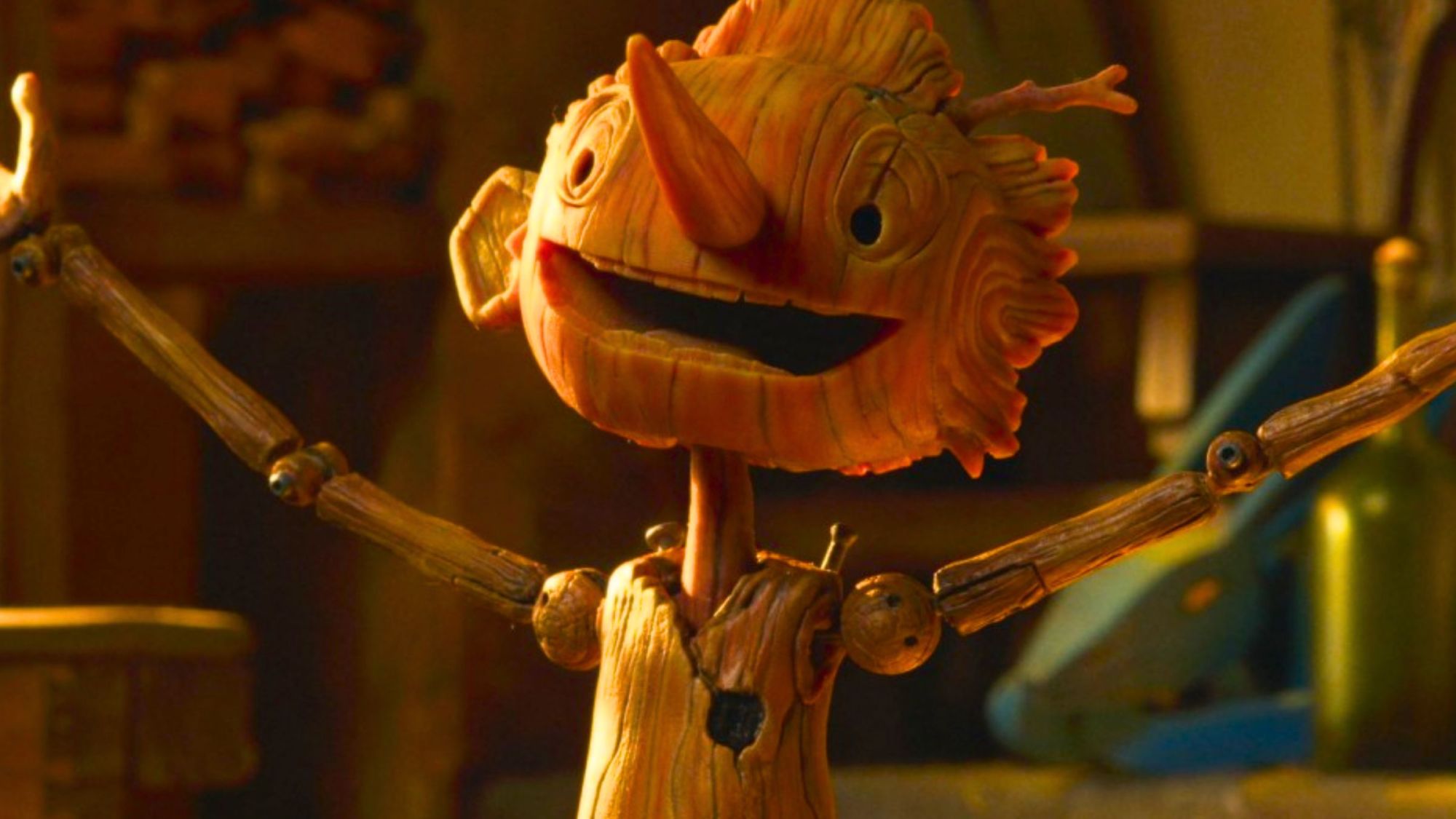
Perhaps the most ambitious of these endeavors is Guillermo del Toro’s Pinocchio, whose development period spanned more than a decade before reaching audiences. Del Toro reimagined the classic tale against a backdrop of fascist Italy, imbuing it with themes of grief, authority, and obedience. The physical production phase alone consumed 940 days, with animators meticulously moving puppets frame by frame and utilizing multiple character models to facilitate simultaneous work by diverse teams. This extended timeframe underscores the intricate logistics and artistic dedication required in high-caliber stop-motion filmmaking. The extensive effort culminated in widespread recognition, including the Academy Award for Best Animated Feature in 2023, affirming the film’s significance both artistically and culturally.
These four films collectively illustrate the extraordinary commitment inherent in stop-motion animation. Each project pushed technical boundaries and narrative possibilities, whether through pioneering printing techniques, complex puppet construction, or innovative blending of practical and digital effects. The extended timelines reflect not only the laborious nature of the medium but also a dedication to storytelling that leverages visual craftsmanship to explore complex emotional and thematic landscapes.
While stop-motion remains a niche within animation due to its demanding production process, these examples demonstrate its unique ability to deliver immersive and emotionally resonant stories. The physicality of the medium imparts a tactile authenticity that digital animation often lacks, engaging audiences through intricate detail and tangible artistry. Moreover, the evolution of production technologies, such as 3D printing and CGI integration, has expanded creative possibilities, allowing filmmakers to realize ambitious visions without compromising the handcrafted essence central to stop-motion’s appeal.
In an industry often driven by rapid turnaround and digital convenience, the patience and innovation exemplified by these films serve as a testament to the enduring value of artisanal methods. As stop-motion continues to evolve, the lessons from ParaNorman, Kubo and the Two Strings, Coraline, and Guillermo del Toro’s Pinocchio highlight the balance between tradition and technology necessary to sustain and enrich this demanding art form.
Full story & global impact
This article was synthesized and rewritten by MusicTop Editorial from reporting published by comicbook.com. Read the publisher's report for the complete source context.
Read original source: comicbook.com