The Street Fighter Movie Makes a Mistake Mortal Kombat Already Learned From
Published October 17, 2026 · WORLD

Why are fighting game movies so scared of fighting tournaments? The Street Fighter movie is just the latest example.
The recent theatrical release of the Street Fighter movie has reignited discussions around adaptations of fighting game franchises, highlighting a recurring narrative misstep. Despite the franchise’s rich history and a roster of beloved characters, the film’s treatment of the central fighting tournament element has drawn criticism for its peripheral role in the storyline.
Street Fighter, a series synonymous with intense martial arts battles and global competitions, centers its gameplay around a tournament format. The movie adopts its premise from Street Fighter II, arguably the most influential entry in the franchise, which solidifies its foundation in the game’s established lore. It begins with an animated prologue depicting Ryu’s initial victory over Sagat in the first World Warrior tournament, setting the stage for the main plot that unfolds six years later.
Related stories

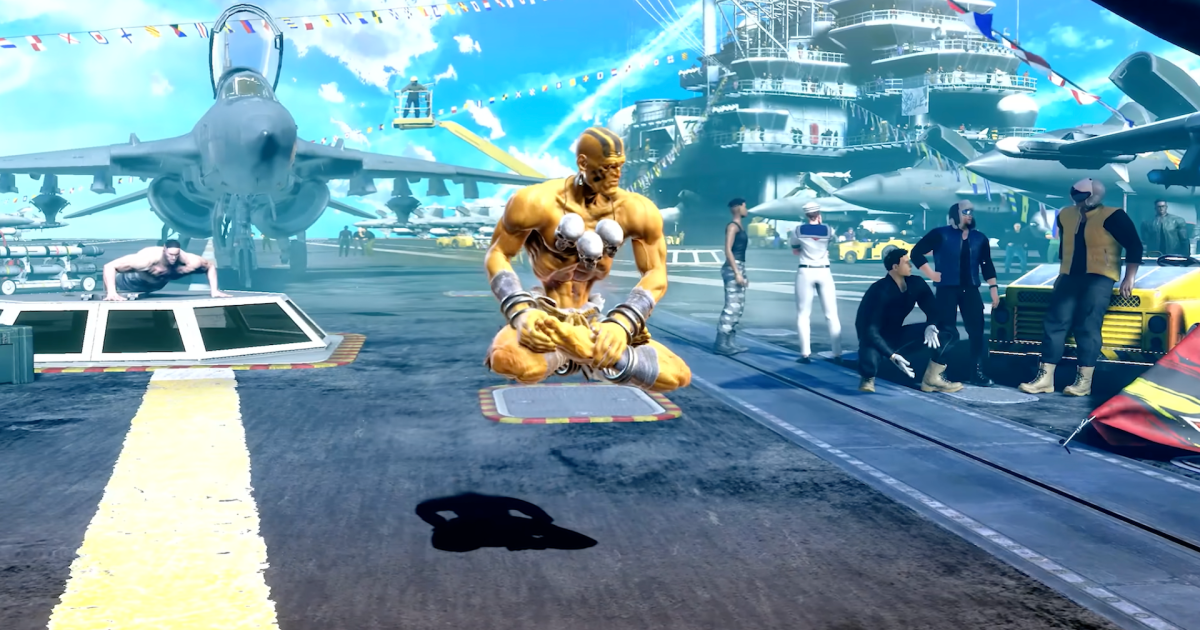

In the film’s present timeline, the antagonist M. Bison orchestrates a second World Warrior tournament, ostensibly to lure Ryu into defending his title. Bison’s ulterior motive involves extracting Ryu’s Hado energy, the mystical force behind the signature Hadoken move. While the tournament concept promises a natural framework for character conflict and escalating action, the film largely sidelines it, focusing instead on subplots that detract from the central competitive narrative.
Related music video
Selected for this story · Published within the last two years
Critically, the tournament itself is treated as a secondary event. Ryu, despite initially winning a qualifying match, is kidnapped before the tournament begins and thus does not participate, leaving his story arc disconnected from the competition. Ken Masters pursues the championship but his storyline occupies only a fraction of the film’s runtime. Notably, Chun-Li, the sole female fighter from the original Street Fighter II lineup, is conspicuously absent from the tournament, further diluting the event’s significance.
This narrative choice results in a fragmented depiction of the tournament, with several fights occurring off-screen or resolved by forfeits due to characters engaging in unrelated plot activities. Iconic fighters such as Guile and Zangief appear mainly in brief, non-tournament scenes, undermining audience investment in the fights that do take place. The tournament’s diminished role compromises the movie’s pacing and diminishes the anticipated climactic battles that fans expect.
The film’s structural shortcomings echo those seen in the 2021 Mortal Kombat reboot, which similarly struggled by neglecting its titular tournament. Mortal Kombat’s narrative centered on a newcomer, Cole Young, and featured attempts by the villain Shang Tsung to prevent the tournament from occurring. This inversion of expectations drew criticism for sidelining the franchise’s core competitive element and altering established lore, such as introducing new power mechanics that were poorly received.

Learning from these criticisms, the Mortal Kombat sequel reintroduced the tournament as the story’s backbone, bringing back fan-favorite characters and focusing on direct combat competition. This shift was seen as a positive course correction, restoring the franchise’s identity and satisfying fans seeking faithful adaptations.
Given this precedent, the Street Fighter movie’s decision to marginalize its tournament is puzzling. Rather than weaving a cohesive narrative around the competition, the film opts for a scattered storyline featuring thin character development and generic action sequences. The climax further complicates the narrative by substituting a showdown between Ryu and Akuma—foreshadowed as a future challenge—for a decisive tournament finale. Meanwhile, Bison, the primary antagonist, retreats without a conclusive confrontation, setting up an ambiguous sequel scenario.
This approach underutilizes Street Fighter’s inherent strengths. The franchise’s diverse cast and iconic moves provide a solid foundation for engaging one-on-one battles and character-driven drama. The tournament framework offers an intuitive structure akin to classic sports or martial arts films, building tension through successive rounds leading to a final clash. The movie’s failure to capitalize on this formula results in a disjointed experience that neither satisfies long-time fans nor attracts new audiences effectively.
The broader context of video game adaptations in recent years shows that success is achievable. Franchises like Sonic the Hedgehog, Castlevania, Fallout, and Resident Evil have demonstrated that faithful storytelling and respect for source material can break the so-called 'video game curse.' Mortal Kombat II’s improved reception underscores the importance of aligning film narratives with the core elements that define the games.
Ultimately, the Street Fighter movie’s sidelining of the tournament diminishes its impact and highlights a missed opportunity. While the film includes visual nods to the games and animated sequences that enrich backstory, these cannot compensate for a narrative that struggles to find focus. For future installments, emphasizing the tournament’s central role and delivering the anticipated high-stakes battles would likely enhance both storytelling and fan engagement.
Details on the movie’s box office performance and critical reception remain limited, though initial responses suggest mixed reactions. The franchise’s enduring popularity and the ongoing success of video game adaptations leave room for optimism, provided that future efforts heed the lessons of past missteps and embrace the core dynamics that made Street Fighter a cultural touchstone in the first place.
Full story & global impact
This article was synthesized and rewritten by MusicTop Editorial from reporting published by ign.com. Read the publisher's report for the complete source context.
Read original source: ign.com