Tom Petty's Favorite (and Least Favorite) Tom Petty Songs
Published October 18, 2026 · WORLD
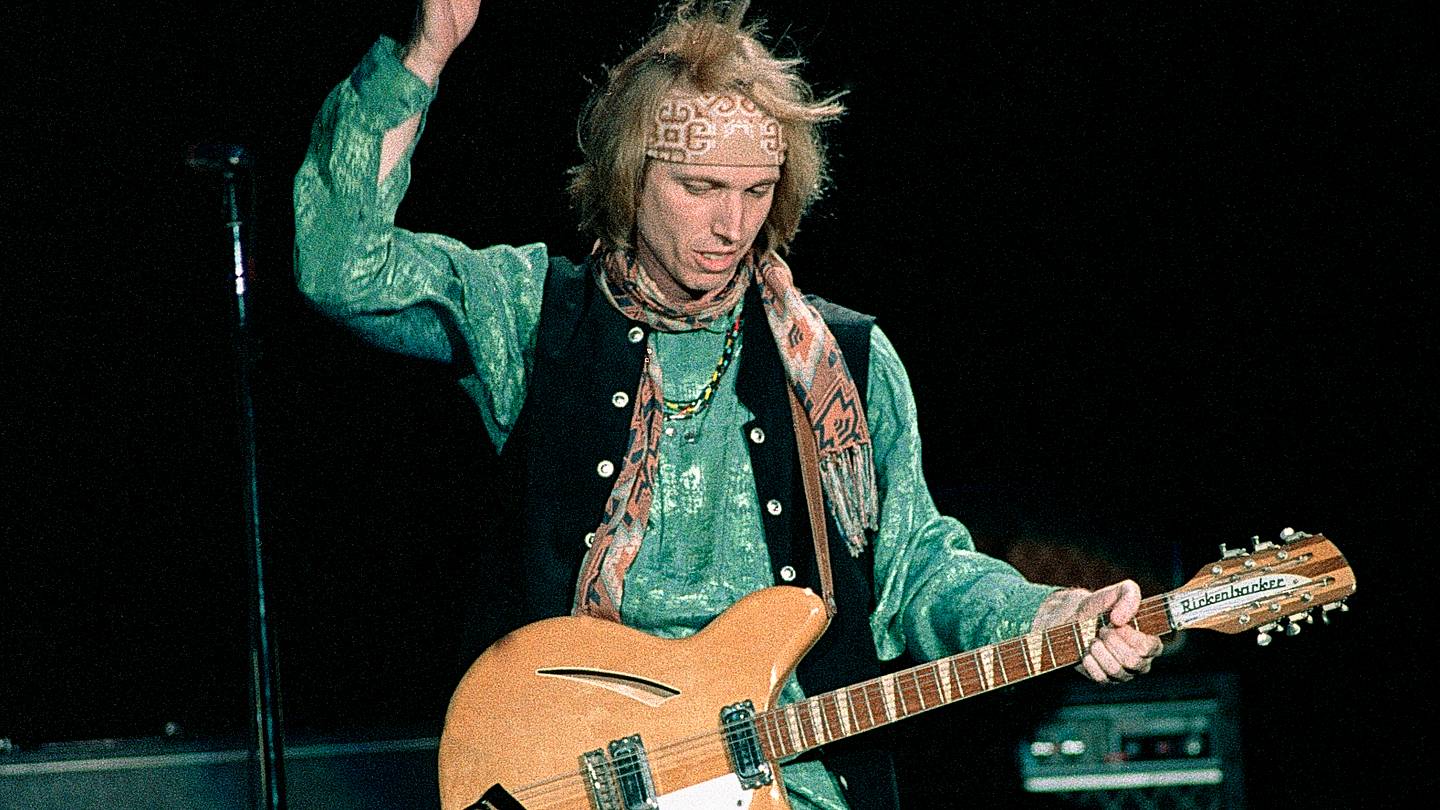
The legend's top pick from his catalog was not one of his biggest hits.
Tom Petty’s legacy as an iconic figure in rock music is undisputed, with a career spanning over four decades and a rich catalog that has resonated across generations. Yet, beyond the chart-topping hits and critical acclaim lies a more intimate understanding of his work—how Petty himself viewed his own songs. Insights from interviews and conversations reveal surprising contrasts between his most treasured compositions and those he regarded less favorably.
Petty's journey into music began early, marked by a childhood encounter with Elvis Presley that inspired his path. By the age of 12, he had acquired his first guitar, setting the stage for a prolific songwriting career. His rise to fame was cemented in 1976 with the release of his debut album with the Heartbreakers. Over the years, he released a total of 16 studio albums, blending solo projects with his band’s work and collaborating with prominent artists like Stevie Nicks.
Related stories
 Newswrap: Spotify Wrapped live performances; Shakira breaks records; Lego musical on YouTube; Tom Petty podcast
Tom Petty’s Original Heartbreakers to Reunite for First Time in Decades for Americana Awards, Fronted by Chris Stapleton; Boxed Set of ’70s Rarities Coming
Despite the widespread success of several singles, including "Don't Do Me Like That" and "Free Fallin'," Petty’s personal favorite did not align with these commercial milestones. According to mentalfloss.com, in a 2002 interview, Petty identified the title track from his 1985 album Southern Accents as his most cherished piece. This song stood out for its emotional resonance and narrative depth, reflecting his upbringing in northern Florida and the cultural identity that shaped him. Petty viewed Southern Accents not just as a song but as a thematic foundation, inspiring him to craft an entire album around the southern experience and his complex family history.
The creative process behind Southern Accents was marked by a period of introspection for Petty. He felt the need to explore new artistic directions after years of building his sound, leading to a songwriting session late at night in his home studio that birthed the track. This deliberate shift toward a more personal, regionally grounded narrative demonstrated Petty’s evolution as a songwriter who sought to connect with his roots.
While Southern Accents held a special place in Petty’s heart, other tracks did not meet his own standards. Notably, he expressed disdain for "Make It Better (Forget About Me)," a song from the same album. Petty dismissed this piece as lacking artistic integrity, attributing its creation to external pressure rather than genuine inspiration. The track, which peaked modestly on the Billboard Hot 100 charts, was described by Petty as essentially a hastily crafted filler, reflecting a moment of creative compromise rather than passion.
This candid self-critique reveals the complexity behind Petty’s prolific output. Despite the commercial pressures and expectations, he maintained a critical eye on his work, differentiating between songs that authentically represented his artistic vision and those that did not. This balance of prolific creativity and discerning judgment contributed to the enduring quality of his music.
Beyond his solo and band achievements, Petty’s influence extended through his role in the supergroup The Traveling Wilburys, joining forces with legendary artists such as Bob Dylan and George Harrison. This collaboration further highlighted his versatility and respect within the music community. His induction into the Rock and Roll Hall of Fame in 2002 solidified his status as a seminal figure in rock history.
Petty’s reflections on his favorite and least favorite songs provide fans and scholars a nuanced perspective on his artistry. They underscore the personal connections and creative challenges that shaped his music, offering a glimpse into the man behind the hits. Although he passed away in 2017, his candid assessments continue to enrich the understanding of his legacy, reminding listeners that even celebrated artists wrestle with their own creations.
Details about his full catalog preferences remain limited, but these revelations from interviews and conversations collected by mentalfloss.com and author Paul Zollo paint a portrait of Tom Petty as an artist deeply engaged with his work, willing to celebrate his roots while openly acknowledging moments of dissatisfaction. This duality is part of what makes his music resonate so deeply and authentically.
In revisiting Petty’s career through the lens of his own opinions, one gains a richer appreciation not only of the songs that defined his legacy but also of the creative integrity that guided his journey. His favorite track, Southern Accents, stands as a testament to his connection to place and identity, while his repudiation of "Make It Better (Forget About Me)" highlights the inevitable tensions in artistic production. Together, these facets deepen the story of Tom Petty’s enduring impact on rock music.
Full story & global impact
This article was synthesized and rewritten by MusicTop Editorial from reporting published by mentalfloss.com. Read the publisher's report for the complete source context.
Read original source: mentalfloss.com