A 30-room home where Australian painter Frederick McCubbin lived is at the centre of an ownership fight after a caretaker spent 22 years there
Published October 20, 2026 · WORLD
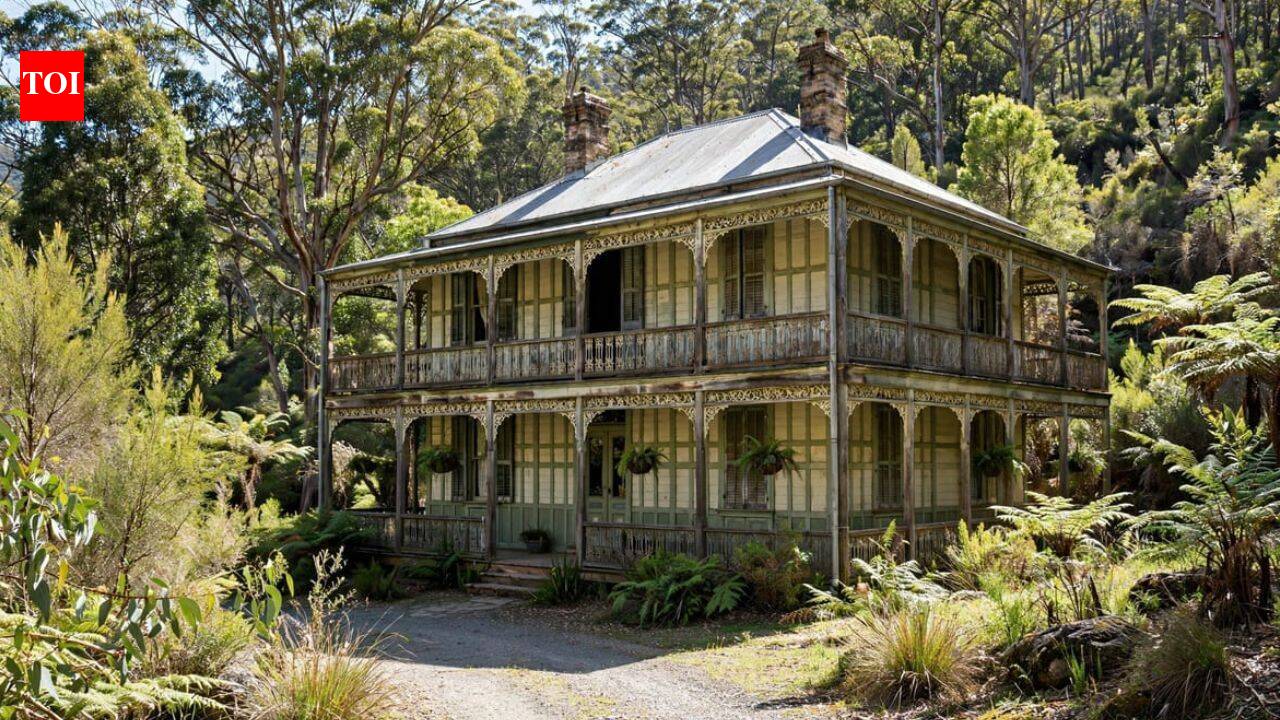
Fontainebleau, a former residence of the renowned artist Frederick McCubbin, finds itself at the center of a contentious legal battle over its ownership. This neglected property is co-owned by five individuals, while Trevor Hoare, the caretaker for the past 2…
Fontainebleau, the expansive 30-room house once inhabited by celebrated Australian painter Frederick McCubbin, is currently embroiled in a complex ownership dispute. The property, significant for its artistic heritage, has become the focus of a protracted legal conflict involving multiple stakeholders.
Located in Australia, Fontainebleau holds historical value due to its association with McCubbin, a pivotal figure in the nation’s artistic landscape. Despite its cultural significance, the residence has suffered from neglect, prompting concerns about its preservation.
Related stories



The ownership structure of Fontainebleau is notably fragmented, with five separate individuals holding co-ownership rights. This shared ownership has complicated management decisions and contributed to the ongoing legal challenges surrounding the property.
At the center of the dispute is Trevor Hoare, who has served as the property’s caretaker for over two decades. Hoare’s prolonged presence at Fontainebleau has led to claims regarding his rights to the residence, further intensifying the conflict among the co-owners.
Details regarding the specific legal arguments and claims made by each party remain limited, but the caretaking arrangement, combined with the divided ownership, has created a scenario ripe for contention. The case highlights the difficulties that can arise when heritage properties lack clear stewardship.
The condition of Fontainebleau during this period of dispute has reportedly deteriorated, raising alarms among heritage advocates and community members invested in preserving McCubbin’s legacy. The future of the property remains uncertain as parties negotiate ownership and usage rights.
This situation underscores broader challenges in managing historically significant sites, particularly when ownership is dispersed and caretaking responsibilities are informally assigned or contested. The case of Fontainebleau exemplifies how legal complexities can impede conservation efforts.
As per reports from timesofindia.indiatimes.com, the ongoing dispute has yet to reach resolution, and further developments are awaited. The outcome will likely have implications not only for Fontainebleau but also for similar heritage properties struggling to balance private ownership with public cultural interest.
In summary, Fontainebleau’s current status as a contested property reflects the intersections of art history, legal ownership, and heritage preservation. It remains a poignant reminder of the importance of clear custodial arrangements in safeguarding sites linked to national cultural identities.
Full story & global impact
This article was synthesized and rewritten by MusicTop Editorial from reporting published by timesofindia.indiatimes.com. Read the publisher's report for the complete source context.
Read original source: timesofindia.indiatimes.com