A small backyard railway started by Oregon hobbyist Ed St John inspired a neighbour to buy surrounding land; after the tracks were joined in 1992, it grew into a 32-mile miniature railroad across 2,200 acres
Published October 20, 2026 · WORLD
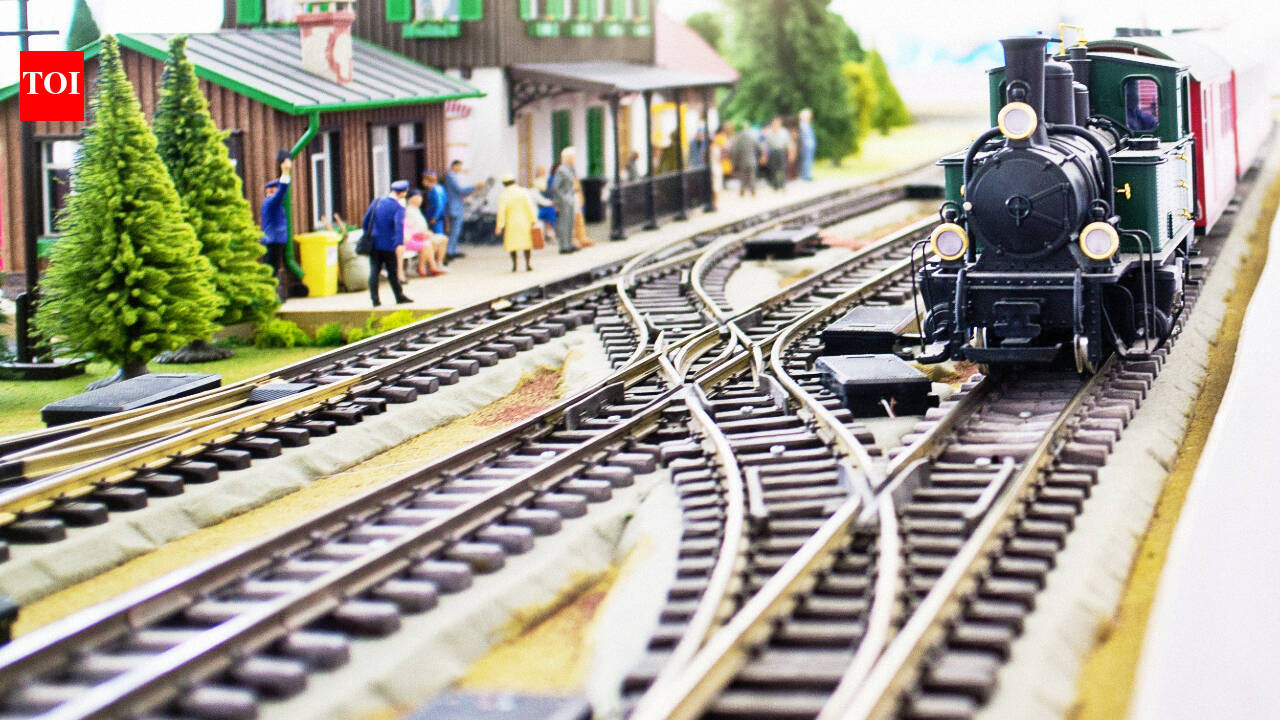
A small backyard railway started by Oregon hobbyist Ed St John inspired a neighbour to buy surrounding land; after the tracks were joined in 1992, it grew into a 32-mile miniature railroad across 2,200 acres
In the quiet landscapes of Oregon, a modest hobby transformed into one of the most extensive miniature railroads in the United States. The genesis of this remarkable project traces back to Ed St John, whose initial venture was a simple backyard railway. His passion for model railroading sparked a chain of events that would eventually create a vast and intricate network of tracks spanning thousands of acres.
Ed St John, an avid railway enthusiast, originally constructed the miniature railway on his personal property. This endeavor, while initially confined to his backyard, attracted the attention of his neighbor, whose interest extended beyond mere curiosity. Inspired by St John’s dedication and the potential of the project, the neighbor took the extraordinary step of acquiring the adjacent land. This strategic purchase laid the groundwork for an unprecedented expansion of the miniature railway.
Related stories



The collaborative vision between the two property owners culminated in a significant milestone in 1992 when their separate tracks were physically connected. This union marked the official beginning of a much larger railway system. Over time, the network evolved into a continuous 32-mile miniature railroad, weaving through an impressive 2,200 acres of Oregon’s natural terrain.
This transformation from a backyard pastime to a large-scale miniature railway is a testament to the dedication and shared enthusiasm of its creators. The project’s growth was not merely about lengthening tracks but also about cultivating a miniature railway environment on a scale rarely seen in the hobbyist community.
The expansive 2,200-acre property became more than just a home for tracks; it developed into a detailed, functional miniature world. This scale allowed for the inclusion of diverse landscapes and realistic features that enriched the overall experience for visitors and enthusiasts alike.
While specific details on the ongoing operations, visitor access, and current management remain limited, the story of this railway underscores the impact of individual passion in creating lasting legacies. It highlights how a personal hobby can inspire larger community involvement and land development, resulting in a unique cultural and recreational asset.
The miniature railroad stands as an example of how localized projects can grow organically into significant landmarks, blending craftsmanship with the natural environment. It also reflects the wider appeal of model railroading as a discipline that combines engineering, artistry, and history.
Despite the modest beginnings, the scale achieved by the railway is extraordinary in the context of miniature railroads, which typically occupy much smaller spaces. This project’s expansion demonstrates the potential for hobbyist initiatives to transcend conventional boundaries when met with shared vision and commitment.
As of the reported period, the scale and integration of the track system signify a notable achievement in the miniature railway world. The project’s history, as reported by timesofindia.indiatimes.com, serves as an inspiring narrative of growth fueled by collaboration and passion, emphasizing the distinctive role of individual enthusiasts in shaping unique recreational landscapes.
Full story & global impact
This article was synthesized and rewritten by MusicTop Editorial from reporting published by timesofindia.indiatimes.com. Read the publisher's report for the complete source context.
Read original source: timesofindia.indiatimes.com