Delhi’s Diwali-eve air quality worst in 10 years; AQI set to worsen more
Published November 8, 2026 · WORLD
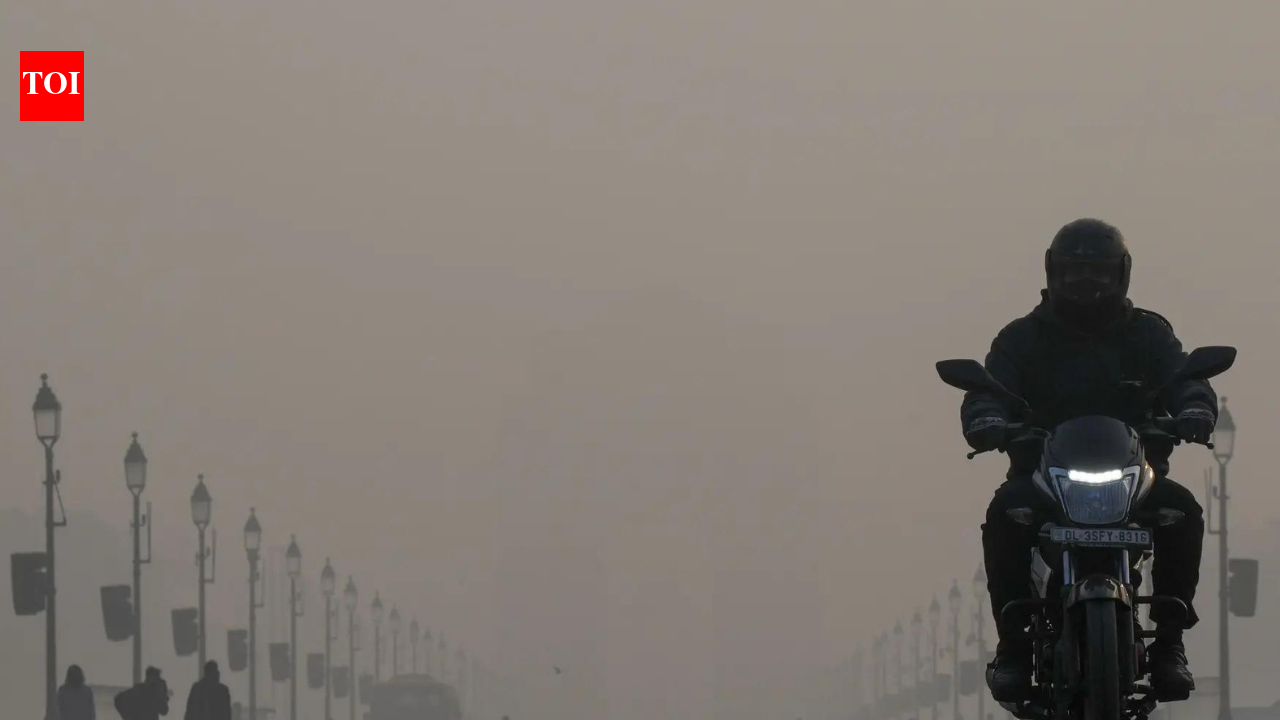
Delhi reported an air quality index of 369 on Diwali eve, marking the most polluted instance in recent years. Meteorological conditions are expected to worsen air quality further after the festival. Stronger winds contributed to a slight improvement from the …
Delhi experienced a significant surge in air pollution on the eve of Diwali, registering an Air Quality Index (AQI) of 369. This level represents the highest pollution spike the city has seen in the last ten years, underscoring ongoing environmental challenges during the festive season.
The AQI value of 369 falls into the 'very poor' category, indicating severe pollution that poses health risks to the general population, especially vulnerable groups such as children, the elderly, and those with respiratory conditions. Residents were exposed to high concentrations of particulate matter and other pollutants typically associated with fireworks and increased vehicular activity during Diwali celebrations.
Related stories
 CJP's Abhijeet Dipke responds after Diljit Dosanjh revisits 'I'm an artist, bro' controversy at Delhi concert
 Diljit Dosanjh sends strong message at Aura tour in Delhi, says 'don't teach Punjabis how to fight'
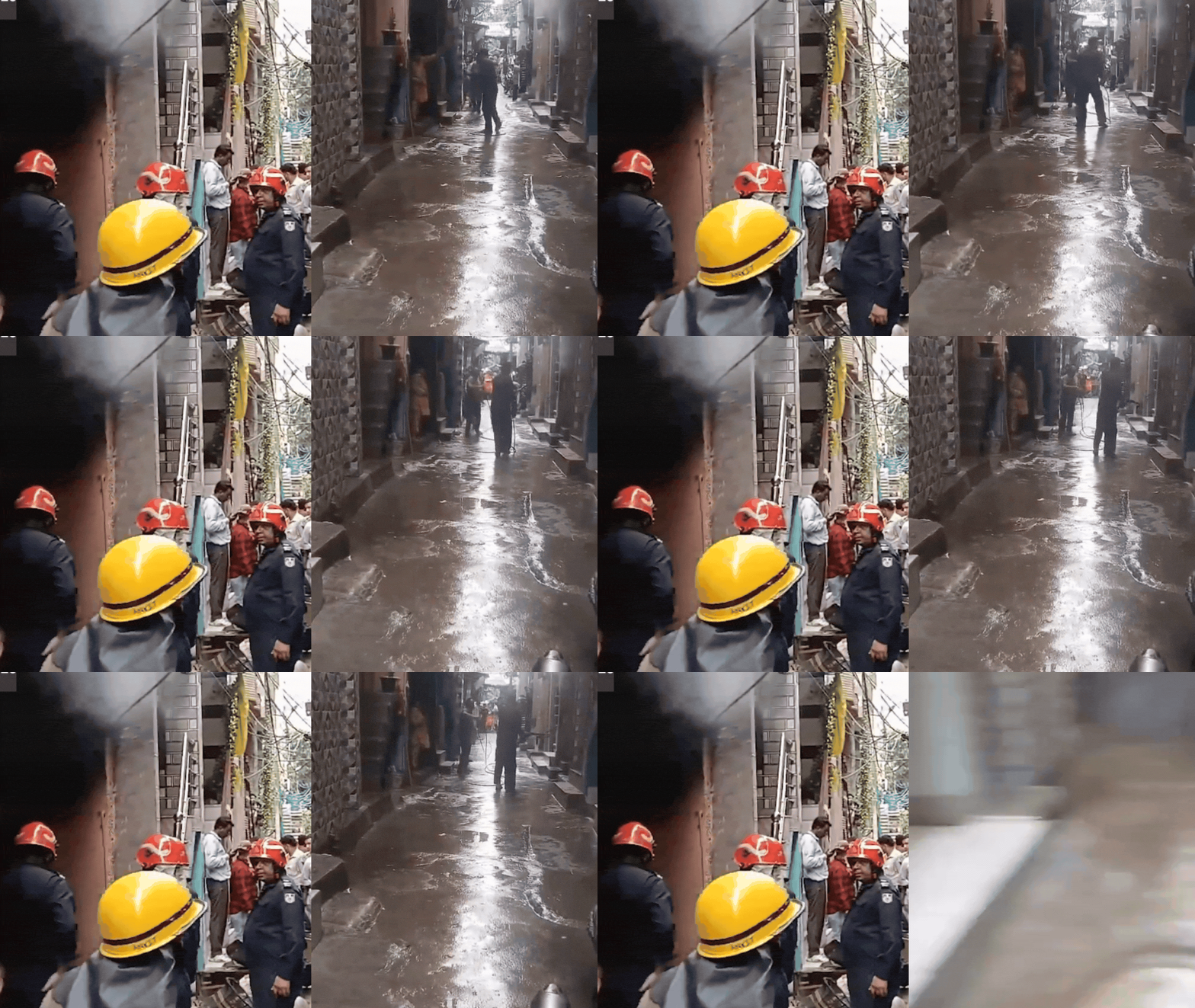 Alcoholic man sets house on fire in Delhi's Jahangirpuri; cylinder blast injures firefighter
Meteorological factors played a crucial role in the pollution dynamics observed during this period. While stronger winds temporarily alleviated pollutant concentration by dispersing some of the airborne particles, forecasts suggest that upcoming weather patterns could reverse this slight improvement. Anticipated meteorological conditions are likely to trap pollutants closer to the ground, further degrading air quality in the days following the festival.
Experts analyzing the data emphasize that the combined effect of firecracker emissions, vehicular exhaust, and unfavorable weather contributes to this recurrent environmental crisis. The timing of Diwali, which often coincides with cooler temperatures and stagnant air masses, exacerbates the accumulation of pollutants.
This escalation in pollution levels has significant implications for public health and urban living conditions in Delhi. Elevated AQI readings correlate with increased hospital visits for respiratory and cardiovascular issues, highlighting the urgent need for effective pollution control measures.
Despite regulatory efforts and public advisories aimed at limiting firecracker use, enforcement remains challenging during the festival period. The persistence of traditional celebratory practices coupled with insufficient preventive action continues to undermine air quality management.
The situation calls for a reassessment of existing policies and more robust implementation strategies to mitigate air pollution during critical periods. Integrating public awareness campaigns with stricter regulations could potentially reduce pollutant emissions and protect vulnerable populations.
While the current data confirms a troubling trend for Diwali-related pollution, detailed analyses on specific pollutant sources and long-term health impacts remain limited. Ongoing monitoring and comprehensive research are essential to develop targeted interventions.
In summary, Delhi's air quality on Diwali eve reached a decade-high pollution level with an AQI of 369, reflecting a hazardous environment amplified by festive activities and adverse weather conditions. The forecast of further deterioration post-festival underscores the critical need for enhanced pollution control and public health strategies to address this annual challenge.
Full story & global impact
This article was synthesized and rewritten by MusicTop Editorial from reporting published by timesofindia.indiatimes.com. Read the publisher's report for the complete source context.
Read original source: timesofindia.indiatimes.com