Tesla plans to wind down Cybertruck production after sales slump
Published November 8, 2026 · WORLD
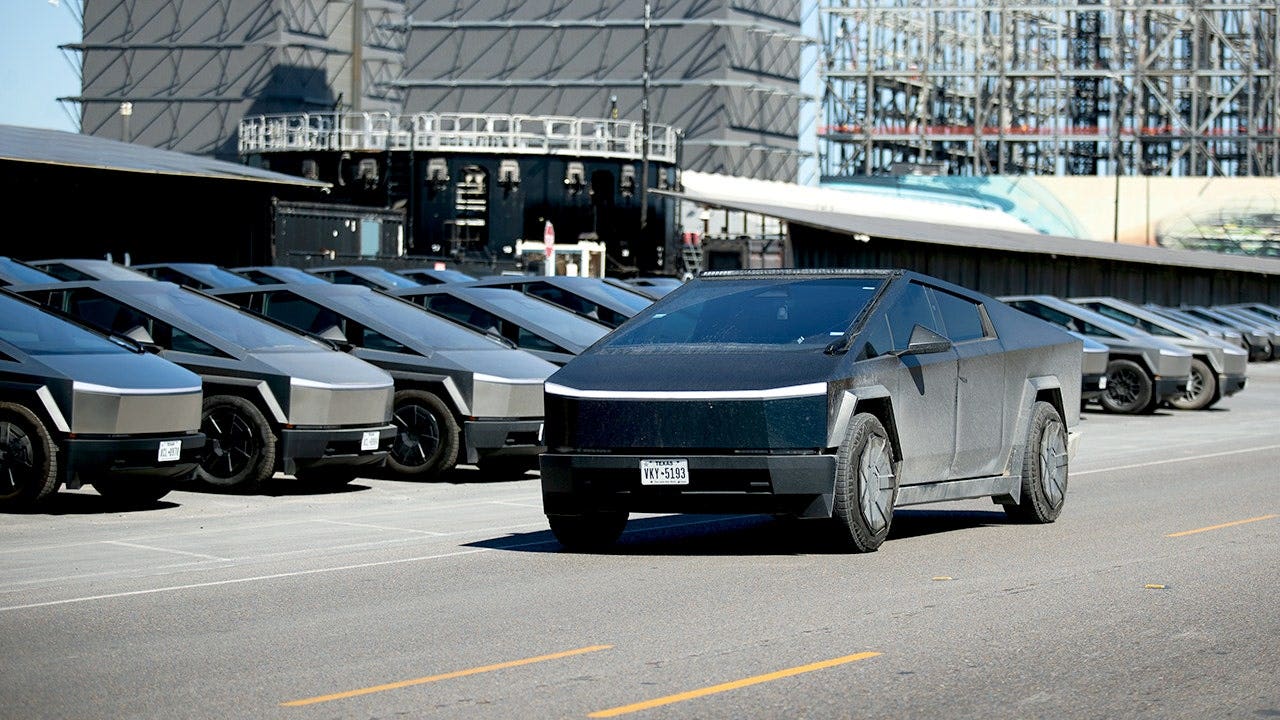
Tesla Cybertruck production is winding down at Gigafactory Texas to make room for Cybercab robotaxi manufacturing, but key questions remain for owners.
Tesla has announced plans to reduce Cybertruck production at its Gigafactory Texas facility, with operations expected to wind down around mid-2027. This decision is part of the company's strategy to allocate more factory capacity to the production of Cybercab, a self-driving two-seat robotaxi.
The shift in manufacturing priorities was confirmed through a post by Elon Musk on the social media platform X in November 2026. The move indicates a significant change in Tesla’s vehicle lineup strategy, which initially positioned the Cybertruck as a major offering.
Related stories



Despite its distinctive design and early enthusiasm, the Cybertruck has struggled with sales performance. Initial excitement in 2019 led to approximately 250,000 reservations within days, but many of these did not convert into actual purchases. Actual sales figures reflect this decline: about 38,965 units sold in the U.S. in 2024, dropping to 20,237 in 2025, and further down to 11,586 during the first nine months of 2026.
The Cybertruck's pricing trajectory also presents challenges. Initially advertised at a starting price of $39,900, the model did not reach customers at that rate. By November 2026, the least expensive available version was priced at $92,490 before fees, following price increases and suspension of orders for lower-tier models.
In addition to sales hurdles, the vehicle has faced multiple recalls. Since deliveries began in late 2023, Tesla issued 11 recalls covering issues from software glitches to physical safety hazards. Notable incidents include recalls related to accelerator pedal pads, detachable exterior trim panels, and wheel stud concerns. These recalls have attracted regulatory attention and may have affected buyer confidence.
Tesla's decision to prioritize Cybercab production aligns with its vision for autonomous ride-hailing services. The Cybercab features no steering wheel or pedals, relying entirely on self-driving technology. Tesla started offering paid rides in this vehicle in Austin, Texas, in September 2026, although the vehicle's safety certification and regulatory status remain under federal review.
The transition from a high-profile electric pickup to a self-driving taxi line underscores the company's bet on automated transportation. This strategic pivot not only highlights Tesla's commitment to autonomous technology but also raises questions about the future of the Cybertruck brand and its place in Tesla’s product portfolio.
Throughout this transition, Tesla has not confirmed whether Cybertruck production might continue at other facilities or if the model will be discontinued altogether. Texas remains the sole factory equipped for manufacturing the specialized stainless steel body components unique to the Cybertruck.
For current Cybertruck owners, Tesla has assured no immediate changes to warranty or service support. The Cybertruck carries a standard warranty covering four years or 50,000 miles, with an eight-year battery and drive unit guarantee. However, concerns about long-term parts availability have emerged, given the specialized nature of the vehicle's construction and the planned production scale-back.
Resale values for the Cybertruck remain uncertain. While limited production sometimes enhances collector interest, ongoing weak demand might depress market prices. Potential buyers should carefully consider ownership costs, vehicle recalls, and future service availability.
The transition reflects a broader shift within Tesla from traditional electric vehicles toward autonomous mobility solutions. Tesla's gamble on the Cybercab suggests the company views self-driving taxi services as a cornerstone of its future business, despite the relatively nascent state of the technology and mixed public reception.
This strategic realignment may influence Tesla's development and marketing priorities, potentially affecting how the company balances innovation in vehicle design with operational scalability and regulatory challenges. The emphasis on robotaxis over pickup trucks signals a notable evolution in Tesla's product ambitions.
Full story & global impact
This article was synthesized and rewritten by MusicTop Editorial from reporting published by foxnews.com. Read the publisher's report for the complete source context.
Read original source: foxnews.com