YouTube Music and Spotify’s rivalry heats up in South Korea
Published November 11, 2026 · ASIA

This week’s big K-Pop story is the New York Times’s exposé on NewJeans contracts – and the pushback from the South Korean industry. But another ongoing story in the country concerns the competition there between two global streaming services: YouTube Music an…
Spotify's foothold in South Korea's music streaming market has strengthened significantly, closing in on YouTube Music's lead according to recent user data. In the last month alone, Spotify reported nearly 7.3 million mobile monthly active users (MAUs), marking a sharp increase over the previous year.
The rise comes amid a broader competitive landscape in South Korea where YouTube Music remains the dominant pureplay music platform with just under 9.2 million MAUs. However, the margin between the two is tightening as Spotify's user base surged by 71.3% year-on-year, a stark contrast against YouTube Music's decline from 10.1 million MAUs reported over a year ago.
Related stories

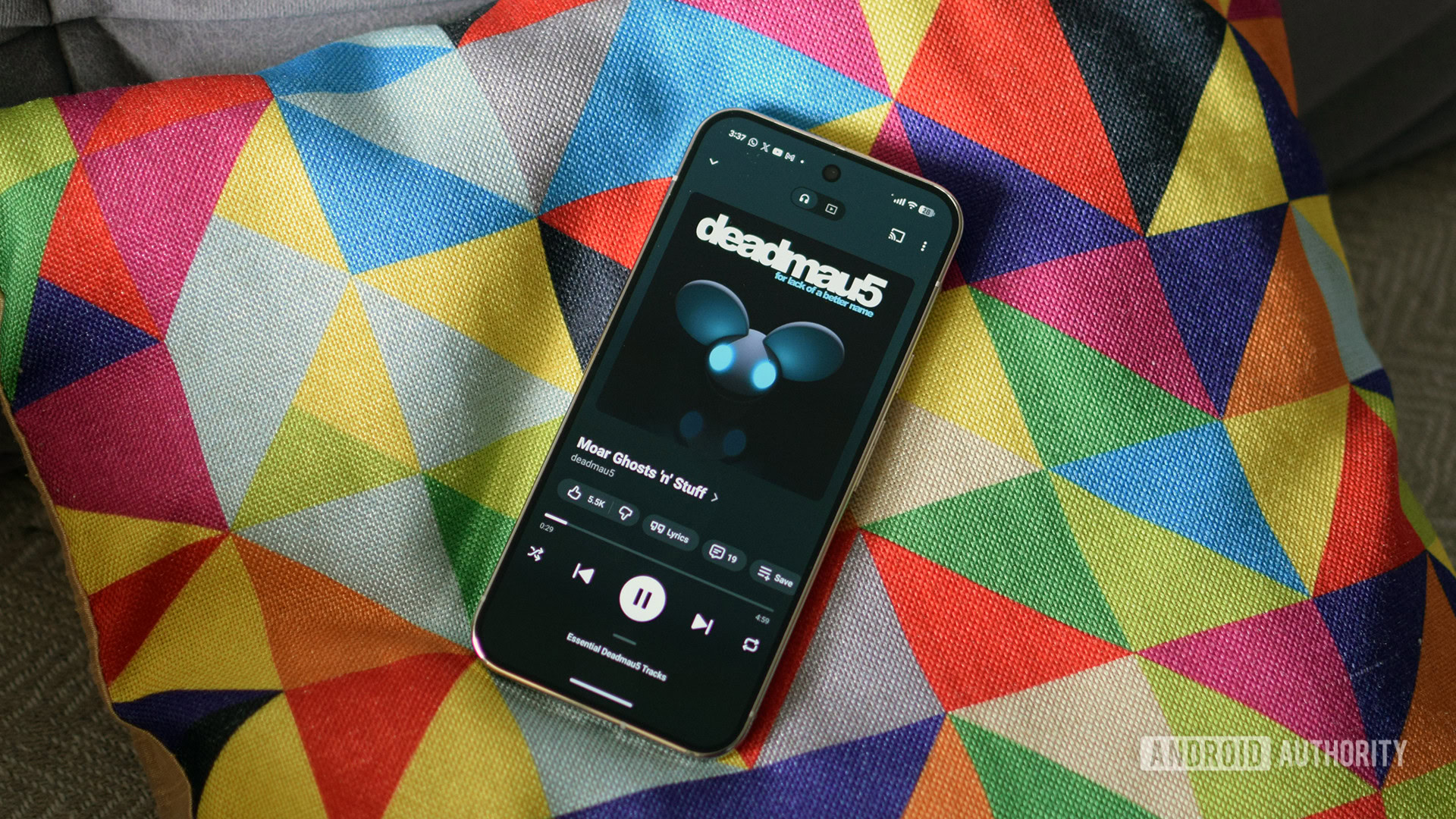
This data, sourced from research firm WiseApp·Retail and reported by Chosun Biz, underscores an evolving rivalry that shapes local consumer preferences and the digital music economy. YouTube overall continues to dominate as South Korea's leading entertainment app with 46.3 million MAUs, but its music-focused service faces mounting pressure.
Spotify's growth trajectory positions it to potentially overtake YouTube Music in South Korea by 2027 if current trends persist. This prospect highlights how rapidly the streaming market can shift even in a region traditionally influenced by homegrown platforms and a robust K-Pop export economy.
The competitive dynamics extend beyond music, with social media platforms like Instagram and TikTok maintaining strong engagement levels; Instagram counted 28.8 million monthly users in October, while TikTok had 9.9 million. These figures reflect a digitally savvy audience engaging across multiple content verticals.
South Korea's recorded music industry is navigating these changes amid modest domestic revenue growth — a 1.7% increase in 2025 following a 5.7% decline the previous year, based on IFPI's Global Music Report. Streaming subscriptions showed resilience with a 5.7% rise, comprising over half of the market's total revenue.
The rise of Spotify presents new challenges and opportunities for artists and labels within South Korea. As Spotify gains ground, its platform algorithms and playlist strategies could influence which artists gain domestic visibility versus those favored by YouTube Music’s ecosystem, possibly affecting catalog exposure and royalty distribution.
Additionally, the intensifying competition between global streaming giants may encourage local services to innovate or collaborate more aggressively, potentially revitalizing South Korea's domestic music market beyond export-led growth. Such developments might alter the touring cycle and promotional tactics for K-Pop acts and other genres focused on the local audience.
While the data clearly points to shifting user preferences, the full impact on South Korea's music economy remains unconfirmed. Factors such as subscription pricing, exclusive content, and partnerships with Korean labels will play critical roles in defining market leadership.
This rivalry also reflects broader consumption patterns where users engage across multiple platforms for entertainment and music, challenging single-service dominance and necessitating adaptive strategies from streaming companies.
Spotify’s rapid expansion from 4.3 million MAUs in September 2025 to nearly 7.3 million just over a year later demonstrates how international platforms can capitalize on evolving market conditions, even in culturally distinct territories.
As streaming services vie for dominance, South Korea’s domestic music sector faces pressure to sustain growth amid global competition. The outcome of this contest could influence how Korean music is monetized locally, affecting investments in artist development and audience engagement.
Amidst these shifts, the continued export strength of K-Pop contrasts with slower domestic revenue progression, suggesting a need for renewed focus on local consumer strategies to balance international success with sustainable home-market expansion.
Full story & global impact
This article was synthesized and rewritten by MusicTop Editorial from reporting published by musically.com. Read the publisher's report for the complete source context.
Read original source: musically.com