Five Films to See: Kids Who Start Bands
Published August 25, 2026 · CLASSICAL
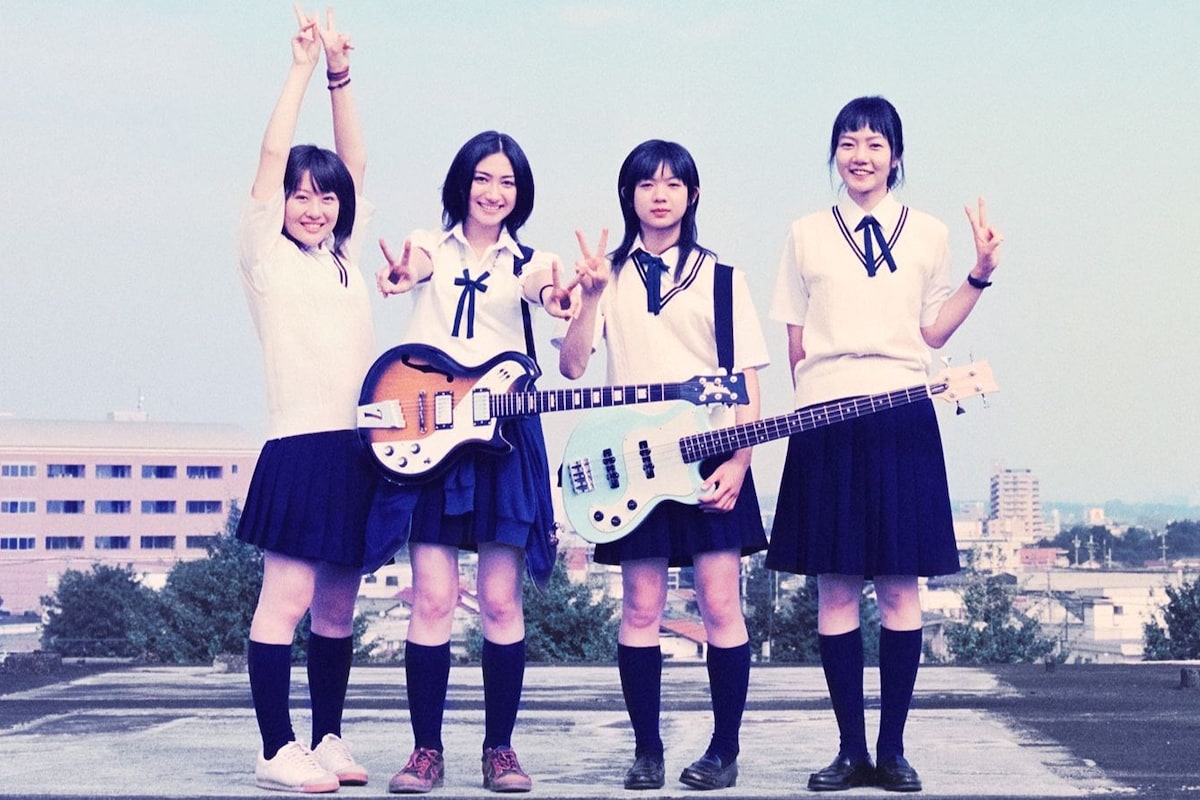
Nobuhiro Yamashita’s beloved cult comedy Linda Linda Linda is coming to 4K – to celebrate, we uncover five films that capture the joy of starting a band at school
The cinematic portrayal of school-aged musicians forming bands has long captivated audiences, offering a resonant glimpse into the spirited world of adolescence. This theme, rooted deeply within coming-of-age storytelling, captures the essence of youth—the exhilaration of collaboration, rebellion, and self-expression through music.
Tracing back to the 1940s, Hollywood introduced early examples with films like MGM’s "Strike Up the Band," where young talents Mickey Rooney and Judy Garland pursued big-band dreams amidst the backdrop of teenage ambition. This foundational narrative set the stage for decades of exploring how music functions as both a personal outlet and a vehicle for social connection during formative years.
Related stories

Japan’s cinematic contributions have been particularly notable for their nuanced engagement with youth subcultures. Nobuhiko Ōbayashi’s 1992 film "The Rocking Horsemen" illustrates this by chronicling a teenager's fascination with American rock music, specifically the Ventures, leading him to initiate his own band. This narrative not only highlights the influence of global rock culture but also injects a sense of freedom and emotional depth that elevates the subgenre.
In the early 2000s, Nobuhiro Yamashita’s "Linda Linda Linda" emerged as a beloved cult classic. Centering on an all-girl punk cover band preparing to perform a song by the iconic Japanese band The Blue Hearts, the film delicately balances the everyday realities of adolescence—crushes, friendships, and minor conflicts—with the shared passion of music-making. Its recent release in a 4K remastered edition has reignited international interest, underscoring the film’s enduring charm and cultural impact.
Meanwhile, in Western cinema, Richard Linklater’s 2003 "School of Rock" remains a quintessential example of the genre’s mainstream appeal. Featuring Jack Black as Dewey Finn, a charismatic yet struggling musician who impersonates a substitute teacher to form a rock band with his students, the film champions youthful defiance and the transformative power of music education. Black’s performance imbues the story with a unique blend of humor and earnestness, which has influenced numerous subsequent films in the genre.
Japanese director Shinobu Yaguchi’s "Swing Girls" (2004) offers another perspective by focusing on a group of high school girls who inadvertently become a brass band after a mishap sidelines the original members. What sets this film apart is its dedication to authenticity; the cast underwent actual musical training, lending credibility and warmth to their performances. The narrative celebrates perseverance and camaraderie, emphasizing that embracing music can be a joyful, inclusive experience.
From Scandinavia, Swedish filmmaker Lukas Moodysson’s "We Are the Best!" (2013) shifts the focus to punk rock as an act of rebellion rather than technical prowess. The film follows three social outcasts who form a band despite lacking musical skill. Their defiant spirit and commitment to self-expression challenge conventional narratives by eschewing triumphant finales in favor of an honest portrayal of youthful idealism and outsider status.
Irish cinema contributes to the canon with "Sing Street" (2016), which intertwines first love and musical discovery. Set against the backdrop of 1980s Dublin, the film tells the story of a teenage boy who creates a band to impress a girl, gradually falling for music itself. Through its depiction of the creative risks inherent in adolescence, "Sing Street" captures the vulnerability and exhilaration that accompany the journey toward self-identity.
Collectively, these films underscore how the motif of school bands serves as a versatile lens through which filmmakers explore themes of friendship, rebellion, growth, and artistic passion. They reflect diverse cultural contexts while tapping into universal experiences that resonate across generations. The recent resurgence of interest in titles like "Linda Linda Linda" highlights a continuing appetite for stories that celebrate the formative power of music in youth.
While each film differs in tone and narrative style—from the comedic and lighthearted to the poignant and introspective—they share a core truth: the act of coming together to create music is a profound rite of passage. It is an affirmation of identity, a challenge to authority, and a testament to the enduring human need for connection and expression.
As audiences revisit these stories—whether through remastered editions or new discoveries—they reaffirm the timeless appeal of watching young musicians find their voice, both literally and figuratively, on screen.
Full story & global impact
This article was synthesized and rewritten by MusicTop Editorial from reporting published by anothermag.com. Read the publisher's report for the complete source context.
Read original source: anothermag.com