Björk – Björk Orkestral with the Hamrahlíð Choir (Live at Harpa Hall, Reykjavík) (2026)
Published November 25, 2026 · CLASSICAL
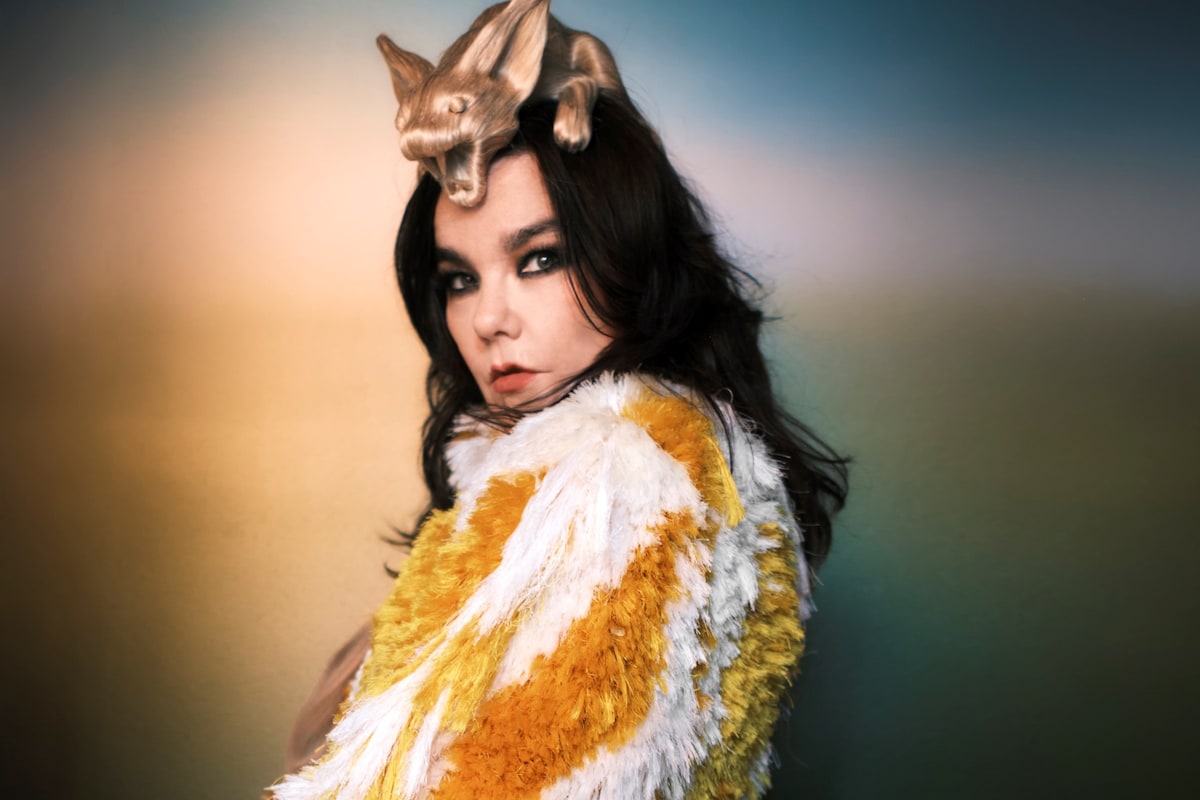
Whether you enjoy Björk Orkestral with the Hamrahlíð Choir (Live at Harpa Hall, Reykjavík) will really depend on one thing: how much do you like Björk? Recorded at the Harpa Concert Hall in Reykjavík on October 24, 2021, the performance features Björk alongsi…
Björk released a live album titled "Björk Orkestral with the Hamrahlíð Choir (Live at Harpa Hall, Reykjavík)" in 2026. The recording stems from a concert held on October 24, 2021, at Reykjavík’s Harpa Concert Hall. The performance features Björk collaborating with the 50-member Hamrahlíð Choir, which has deep roots with the artist, and was conducted by Þorgerður Ingólfsdóttir with Bergur Þórisson handling organ and electronic musical direction.
This live project draws primarily from Björk’s 2004 album Medúlla, with six of the eleven tracks originating there. The remainder of the setlist spans five other albums across her career, including Vespertine (2001), Homogenic (1997), Biophilia (2011), and Selmasongs (2000). The emphasis on Medúlla is significant, as that album originally focused heavily on the human voice as instrument, minimizing traditional instrumentation.
Related stories
The Hamrahlíð Choir’s involvement provides a new layer to these compositions, transforming them into vocal orchestral arrangements that replace electronic textures and drum machines with collective human harmonies. This approach highlights Björk’s voice both as a lead and a part of a larger ensemble, shifting the listener’s attention to vocal interplay and choral depth.
Related music video
Selected for this story · Published within the last two years
Björk’s vocal delivery on the album remains dynamic and versatile, displaying a range from fragile, intimate moments to powerful, soaring passages. This complements the choir’s capacity to evoke both ancient and modern atmospheres, at times resembling cathedral music and elsewhere veering into avant-garde classical territory.
Among the notable reinterpretations, "Hidden Place" from Vespertine is praised for its delicate and communal quality, with the choir enriching the song’s original intimacy. Similarly, "Where Is the Line" from Medúlla demonstrates the choir’s ability to produce compelling rhythmic energy and complex harmonies, effectively substituting electronic beats.
The selection of "Unravel" from Homogenic adds a poignant touch to the set, using minimal embellishment to foreground the song’s fragile melody and longing. "Cosmogony" from Biophilia takes on a hymn-like grandeur in this format, while "New World" from Selmasongs ends the concert with warmth and a sense of emotional closure.

This live recording does not aim for mainstream accessibility. The arrangements are dense and occasionally dissonant, requiring listeners to engage with Björk’s unconventional songwriting and compositional structures. The album strips away technological effects to focus on the essential elements: the songs, their vocal expressions, and Björk’s artistic vision.
The collaboration with the Hamrahlíð Choir also reveals a nuanced tension between individuality and collectivity. Björk’s distinctive voice is a hallmark of her identity, yet here she willingly integrates it within a large vocal group. This interplay underscores a duality in her work, where futuristic electronic innovation intersects with traditional vocal forms.
Björk’s longstanding fascination with primal, organic musical expression is embodied by this project, which highlights how human voices themselves constitute a sophisticated musical technology. The live album thus recontextualizes her catalogue, inviting audiences to experience familiar songs through a different sonic lens.
The recording at Harpa Concert Hall also symbolizes a homecoming for Björk, given her roots in Reykjavík and personal ties to the Hamrahlíð Choir. This geographical and emotional context deepens the project’s resonance, linking the artist’s past and present.
While the live album was released in 2026, the performance dates back to 2021, and it remains unconfirmed whether Björk plans additional concerts or tours following this release. The format sets a precedent for future reinterpretations of her work, potentially influencing how her catalogue is presented live or in subsequent recordings.
This project highlights Björk’s continual evolution as an artist who challenges genre boundaries and embraces collaboration, reaffirming her place as a visionary figure in contemporary music.
Full story & global impact
This article was synthesized and rewritten by MusicTop Editorial from reporting published by exystence.net. Read the publisher's report for the complete source context.
Read original source: exystence.net