Malaysia censors non-binary presenter in Eurovision Song Contest Asia broadcast
Published November 16, 2026 · EUROPA
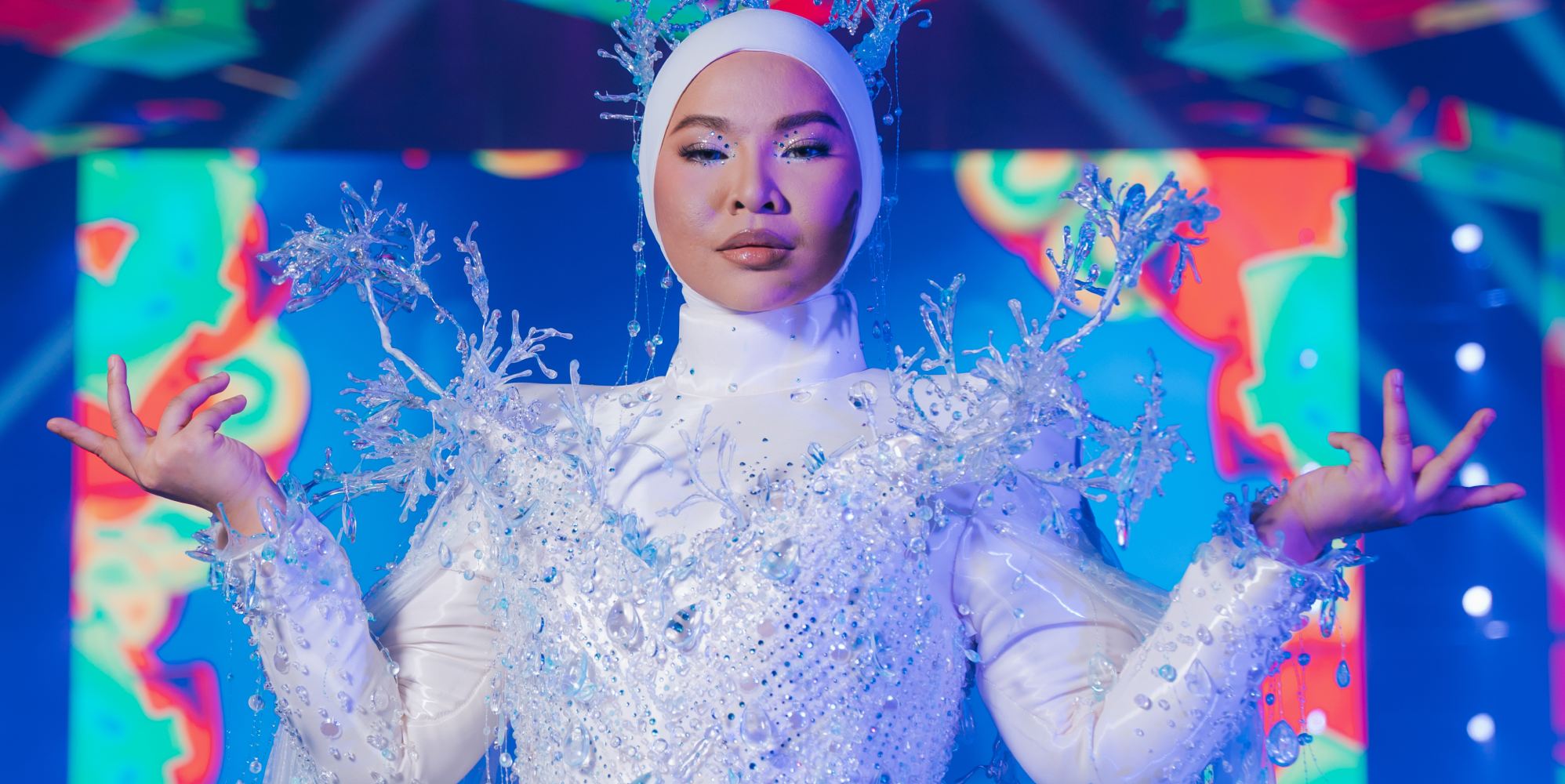
The Philippines‘ announcer was edited out of the broadcast of Eurovision Song Contest Asia in Malaysia, a country with tough conditions for LGBTQ+ people. The first ever Eurovision Song Contest Asia aired on 14 November, held in Bangkok, Thailand. Eleven coun…
The inaugural Eurovision Song Contest Asia, which took place on November 14 in Bangkok, Thailand, marked a new chapter for the regional music competition format. Eleven countries participated, including Malaysia, the Philippines, and Thailand. However, the broadcast in Malaysia notably censored the appearance of the Philippines' jury spokesperson, Vice Ganda, a well-known non-binary entertainer.
Vice Ganda, a comedian, host, singer, actor, and LGBTQ+ advocate from the Philippines, appeared in an elaborate feminine costume to announce the jury votes. In the Malaysian TV broadcast, this segment was replaced by the show's logo, effectively erasing Vice Ganda's presence from the airing. This editing choice reflects Malaysia's strict legal and social stance on LGBTQ+ issues.
Related stories

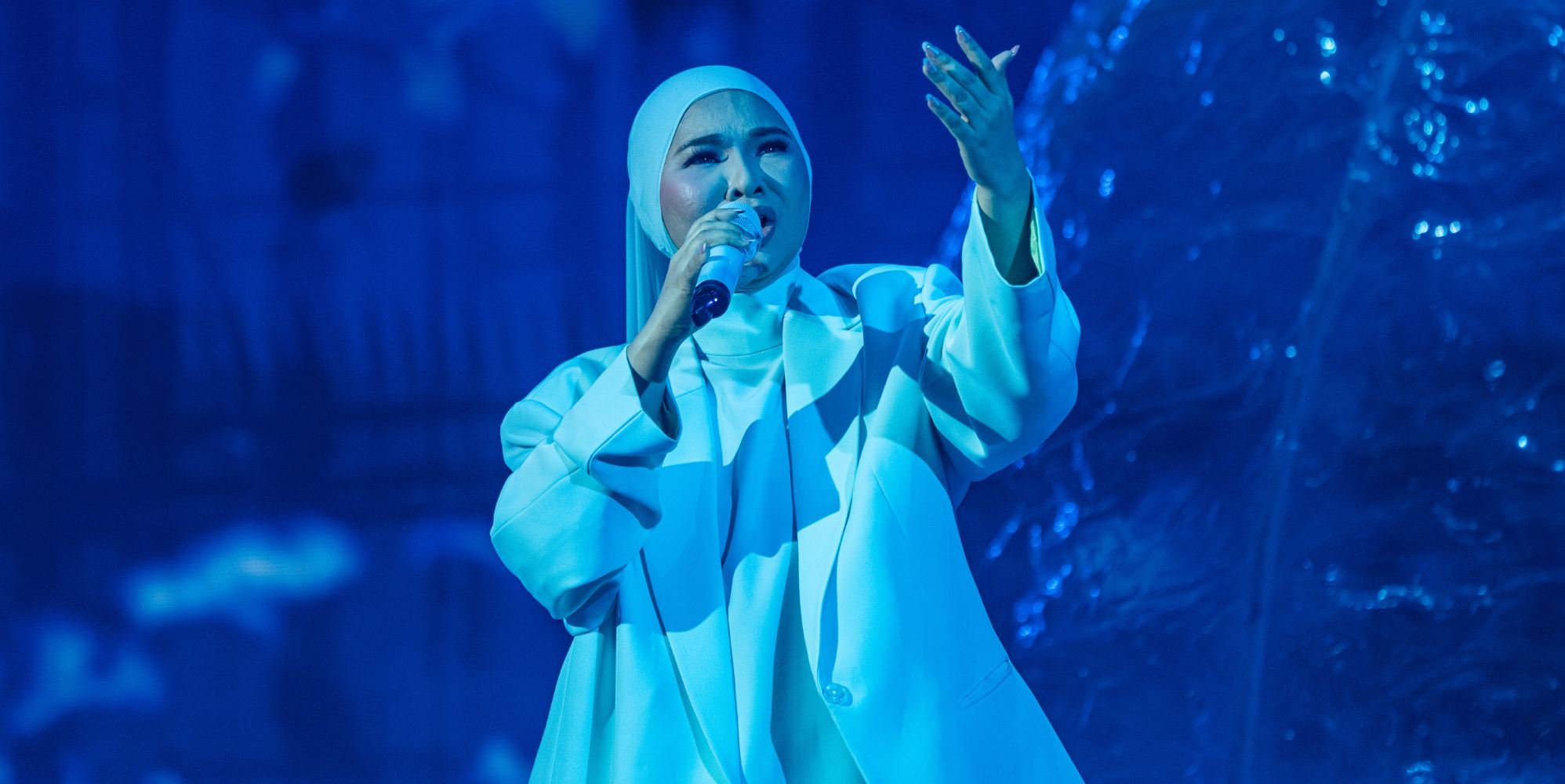

Malaysia enforces harsh laws criminalizing same-sex relations, including penalties of up to 20 years in prison and whipping. The government recently adopted the term “budaya songang”, meaning “deviant culture,” to refer to LGBTQ+ matters, and bans the distribution of related materials under morality guidelines. Transgender individuals face additional risks of arrest and prosecution under public indecency and Shariah laws, especially if Muslim.
The first Eurovision Song Contest Asia followed a format similar to the original European version, with each participating country performing and their jury votes delivered via video link. The Philippines won the contest with Carmelle performing "Sobra-Sobra," who secured top scores in both jury and audience votes. Host country Thailand finished second, followed by Vietnam in third place, while Malaysia placed fourth with Aina Abdul's performance of "Bluest Sky."
Notably, Carmelle's victory does not guarantee the Philippines will host the 2027 edition, as future hosting rights will be determined by a bidding process akin to that of the Junior Eurovision Song Contest, rather than the traditional automatic hosting rule.
The censorship of Vice Ganda during Malaysia’s broadcast underscores ongoing challenges faced by LGBTQ+ artists and public figures in regions with restrictive social environments. Despite the visibility gained from participating in an international event, the erasure of non-binary representation diminishes the inclusive spirit the contest aims to promote.
This incident also raises questions about how artists like Vice Ganda, who have strong regional followings and advocacy roles, might navigate future international appearances. The removal from broadcast limits exposure, which can affect their audience engagement and the broader acceptance of LGBTQ+ identities in mainstream media within conservative markets.
Moreover, the suppression in Malaysia highlights the gap between the contest's aspirational values of diversity and the realities of varying regional policies. It reveals how cultural and legal frameworks continue to shape the presentation and reception of artists even in a transnational event.
While the contest successfully showcased a diverse lineup of performances, the uneven broadcast treatment demonstrates that participation in international events does not guarantee equal representation, especially in countries with stringent censorship laws.
Malaysia’s fourth-place finish with Aina Abdul’s “Bluest Sky” reflects the country’s competitive presence in the event despite these ongoing internal restrictions on expression. Aina Abdul’s participation marked a notable moment for Malaysia in the contest's debut year.
The establishment of a bidding process for hosting Eurovision Asia in future years could encourage wider regional involvement and potentially influence how countries manage their broadcasts and presentations. This change might lead to different approaches to inclusivity depending on the host country’s policies.
Eurovision Song Contest Asia’s launch creates a platform for artists across diverse Asian countries, but the censorship controversy illustrates the complexities faced when cultural values and legal frameworks differ dramatically among participating nations.
Future editions will likely continue to reflect the tension between the contest’s progressive ideals and the varied societal norms within its broad participant base, affecting both the artistic presentation and audience experience.
As international music competitions expand globally, such incidents spotlight the ongoing negotiation between artistic freedom and national regulations, with significant implications for performers, fans, and the music industry in the region.
Full story & global impact
This article was synthesized and rewritten by MusicTop Editorial from reporting published by thepinknews.com. Read the publisher's report for the complete source context.
Read original source: thepinknews.com