How To Tell If A Music Artist Is AI
Published June 27, 2026 · JAZZ

AI music artists are gaining listeners and sparking controversy. Learn how to identify AI-generated musicians, why they're growing, and who profits.
The emergence of AI-produced music artists is reshaping the music landscape, drawing increasing attention from audiences and industry insiders alike. These digital performers, created through advanced artificial intelligence technologies, are gaining substantial followings and prompting debates about authenticity and creativity in the music world.
AI music artists differ fundamentally from traditional musicians, as their vocals, compositions, and personas are generated or heavily assisted by algorithms rather than organic human talent. This technological innovation allows for rapid production and customization of music, which appeals to certain segments of listeners seeking novel or experimental sounds.
Related stories
Billy Corgan Says He’s Stood by Marilyn Manson Despite Sex Abuse Claims Because He ‘Didn’t Feel He Was Guilty’: ‘I Don’t Want the World to Tell Me Who My Friends Are’
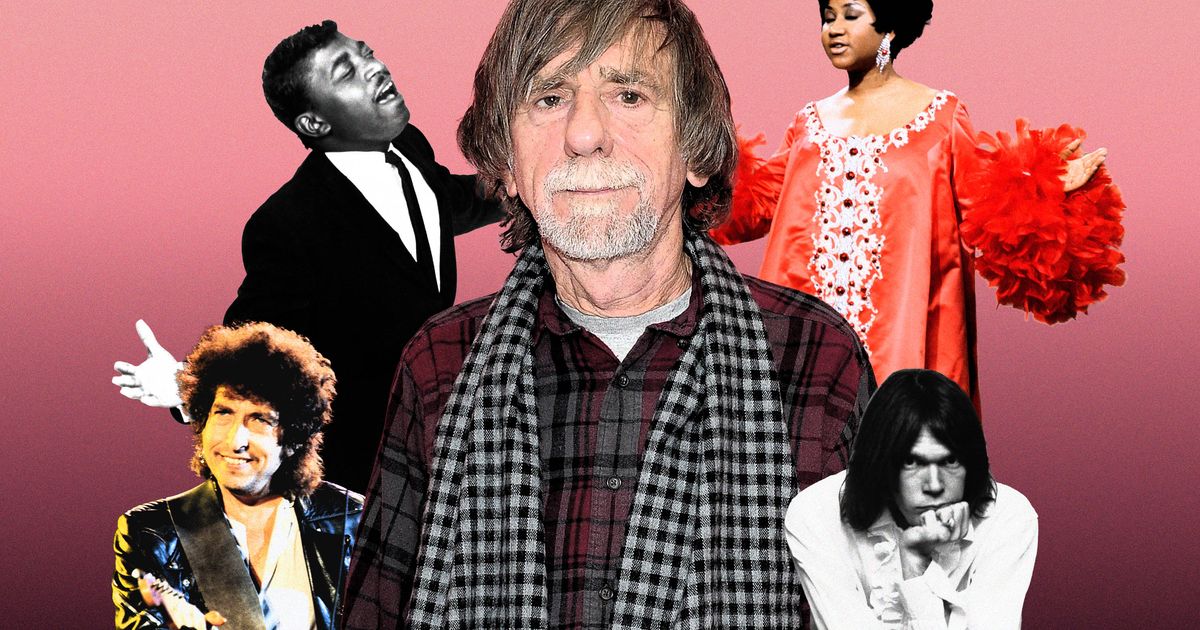 Neil Young’s Right-hand Man Has Stories to Tell
One of the challenges facing consumers and industry professionals is discerning whether an artist is AI-generated. Indicators can include highly synthetic vocal timbres, unusually consistent release schedules, and the absence of traditional artist backgrounds or personal histories. However, these signs are not definitive, as AI technology continues to evolve, blurring lines between human and machine creation.
The acceleration in popularity of AI music artists is partly driven by the cost-efficiency and scalability of AI tools, enabling creators to bypass some traditional barriers like studio time and physical presence. This democratization of music production is enticing for independent producers and record labels looking to capitalize on emerging trends without extensive investment.
Financially, the rise of AI musicians introduces new dynamics in rights management and revenue distribution. Without a human artist to claim royalties, questions emerge about ownership and profit allocation. Some entities developing AI music technology stand to benefit considerably from licensing and streaming revenues generated by these virtual performers.
Despite the commercial advantages, the phenomenon has sparked controversy among musicians, fans, and critics concerned about the impact on artistic integrity and employment opportunities. Some argue that AI music lacks the emotional depth and cultural context provided by human creators, while others see it as a complementary evolution of the art form.
The current landscape of AI music remains in flux, with limited comprehensive data on specific artists or market share. As the technology matures, industry stakeholders are actively exploring regulatory frameworks and ethical guidelines to address transparency and fairness.
In summary, AI music artists represent a novel and rapidly expanding facet of the music industry. Their growing presence challenges traditional notions of artistry and raises critical questions about the future of music production, consumption, and monetization. Continued observation and analysis will be necessary to fully understand the long-term implications of this technological shift.
Full story & global impact
This article was synthesized and rewritten by MusicTop Editorial from reporting published by NewsAPI (original source unavailable). Read the publisher's report for the complete source context.
Original source link unavailable · Source: NewsAPI (original source unavailable)