Manchester Nightlife Guide 2026 – Where to Drink, Dance and Stay Out Late?
Published September 15, 2026 · JAZZ
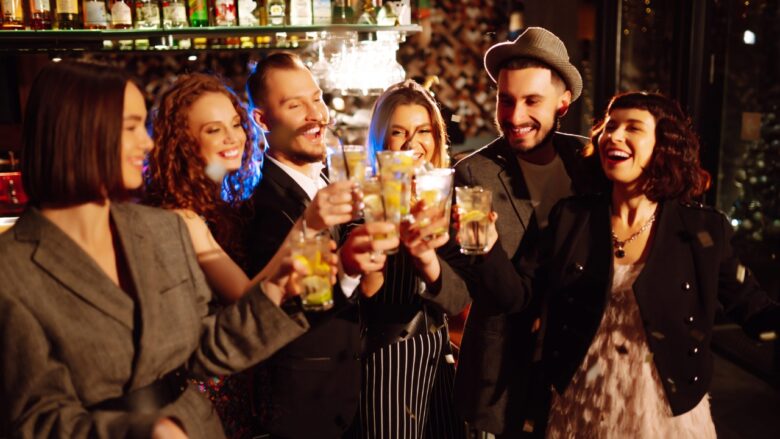
Manchester rewards people who choose an area before choosing a venue. The city centre is compact enough for bar-hopping on foot, yet each nightlife pocket has its own personality. Start in the Northern Quarter for independent bars and music, head to Canal Str…
Manchester’s nightlife continues to thrive in 2026, characterized by a city centre that favors area-focused exploration over venue-centric choices. The city’s compact core makes bar-hopping on foot both feasible and appealing, with each district presenting a unique atmosphere and cultural vibe.
The Northern Quarter emerges as a pivotal starting point for visitors seeking an eclectic mix of independent bars, live music, and culinary options within a walkable grid. Streets such as Oldham, Tib, and Thomas offer an intimate setting where patrons can transition effortlessly from a quiet drink to jazz performances and DJ sets without the need for cross-town travel. Venues like Matt & Phreds Jazz Club and The Peer Hat maintain the area’s reputation for alternative and small-scale gigs, while YES near Oxford Road combines diverse bar scenes with concerts and late-night openings.
Related stories
 London Film Festival round-up: a five-star weepie, a sweeping Spanish epic and a misspent youth in post-punk Manchester
 Exploring Liam and Noel's Manchester, from the council house the Gallaghers grew up in to the first pubs Oasis played - and their beloved Man City
 Manchester United 1-1 Tottenham Hotspur: player ratings to the theme of Spooky Season songs
For those prioritizing larger social spaces, Peter Street and Deansgate provide an environment suited to groups moving seamlessly from dining to nightlife. Albert’s Schloss and The Blues Kitchen stand out as venues blending food, live music, and extended weekend hours, with closing times reaching up to 3 a.m., catering to a crowd looking for a lively but accessible night out.
Manchester’s traditional pub culture remains significant, maintaining a strong presence alongside newer entertainment formats such as food halls and modern music venues. This coexistence enables visitors to experience a spectrum of Manchester’s drinking history within a single evening. Canal Street, known as the heart of the city’s LGBTQ+ community, continues to be an epicenter for late-night activity, particularly after midnight. The area’s reputation, fortified by its portrayal in the late 1990s television series "Queer as Folk," attracts visitors who value a dynamic environment where movement between multiple venues is encouraged.
The Gay Village extends its cultural reach beyond Canal Street itself, with queer nightlife events also appearing in the Northern Quarter and various larger venues, reflecting a growing and diversified scene. Venues here frequently operate until 4 a.m. on weekends, encouraging extended celebrations.
Club culture in Manchester is dynamic and event-driven rather than anchored to permanent rankings of venues. The Warehouse Project, celebrating 20 years in its 2026 season, remains a flagship for electronic music fans, hosting internationally renowned DJs like Solomun and KI/KI. Its location adjacent to Piccadilly station, specifically at Depot Mayfield, offers rare convenience for late-night attendees. Meanwhile, smaller venues such as Band on the Wall provide a rich calendar spanning genres from jazz and salsa to hip-hop and indie, illustrating the city’s broad musical palette.
The local government recognizes the period from midnight to 4 a.m. as central to Manchester’s “late night economy,” with licensing policies reflecting this. However, operational hours vary by venue, making it crucial for visitors to verify both opening and last entry times to plan their nights effectively.
Transport infrastructure supports Manchester’s nightlife with night bus services running extensively on Fridays and Saturdays across key routes, including connections to outlying areas like West Didsbury, Stockport, and MediaCity. Recent additions to the Bee Network night bus timetable improve accessibility, although late-night travelers, especially those attending Warehouse Project events, are advised to arrange their journey home in advance to avoid inconvenient gaps in service.
Accommodation strategies for nightlife enthusiasts often involve staying within walking distance of central areas like the Northern Quarter, Piccadilly, or the Gay Village to maximize convenience. Areas such as Deansgate, St John’s, and Spinningfields cater well to those combining dining and cocktails before venturing into other parts of the city’s after-hours scene. Potential visitors sensitive to noise are encouraged to consult recent hotel reviews, while some may consider arranging social company ahead of time.
Ultimately, Manchester’s nightlife in 2026 rewards flexibility anchored by at least one fixed engagement—whether a concert, club event, or dinner reservation. The city’s dense urban fabric and distinct neighborhood identities allow for spontaneous exploration, with the Northern Quarter frequently serving as the ideal launchpad. As the night deepens, Canal Street or a planned Warehouse Project experience often define the evening’s conclusion, provided travelers have prearranged their return journey to avoid any logistical pitfalls.
Full story & global impact
This article was synthesized and rewritten by MusicTop Editorial from reporting published by thefrisky.com. Read the publisher's report for the complete source context.
Read original source: thefrisky.com