Psychedelic Pop Artist Peter Max Has Died At 88, His Son Says
Published September 16, 2026 · JAZZ
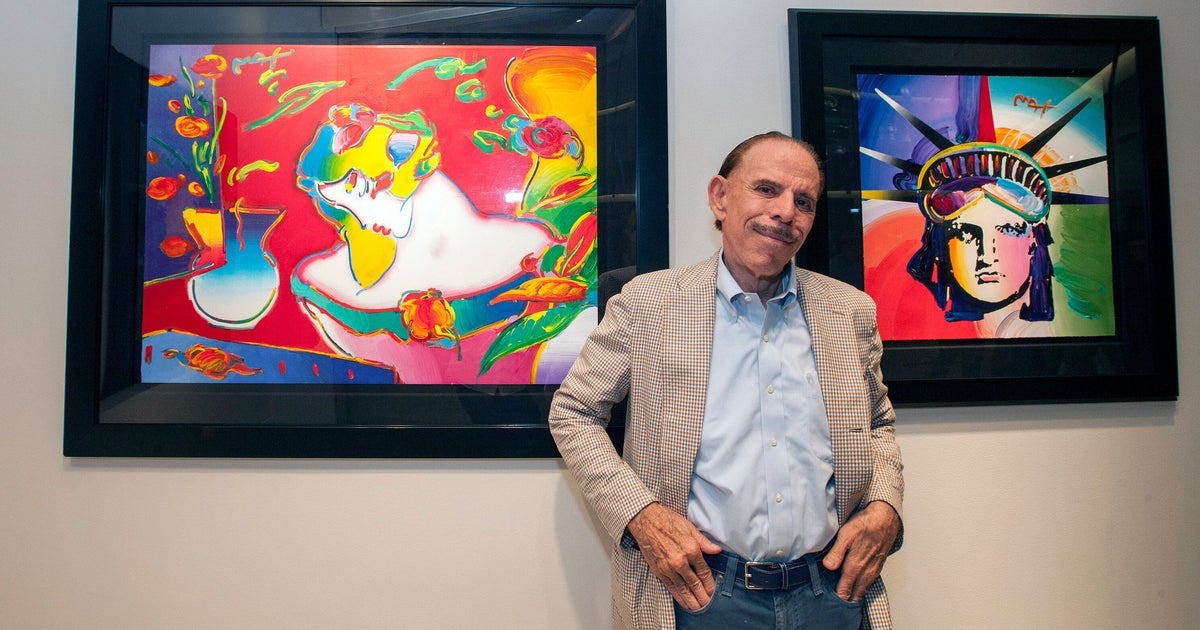
Max began his career in graphic design in the 1960s, and his swirly, colorful designs epitomized the era’s “flower power” art.
Peter Max, a seminal figure in psychedelic pop art whose vivid creations became synonymous with the 1960s' “flower power” era, died at the age of 88, according to a statement from his son. The artist passed away on Monday, though the cause has not been publicly disclosed.
Born Peter Max Finkelstein in 1937 in Berlin, Max's early life was marked by displacement as his Jewish family fled Nazi Germany. They lived across several countries, including Shanghai, Tibet, Israel, and Paris, before settling in New York City when Max was 16. Immersed in American culture, he developed an early passion for comics, movies, and jazz, which influenced his artistic direction.
Related stories

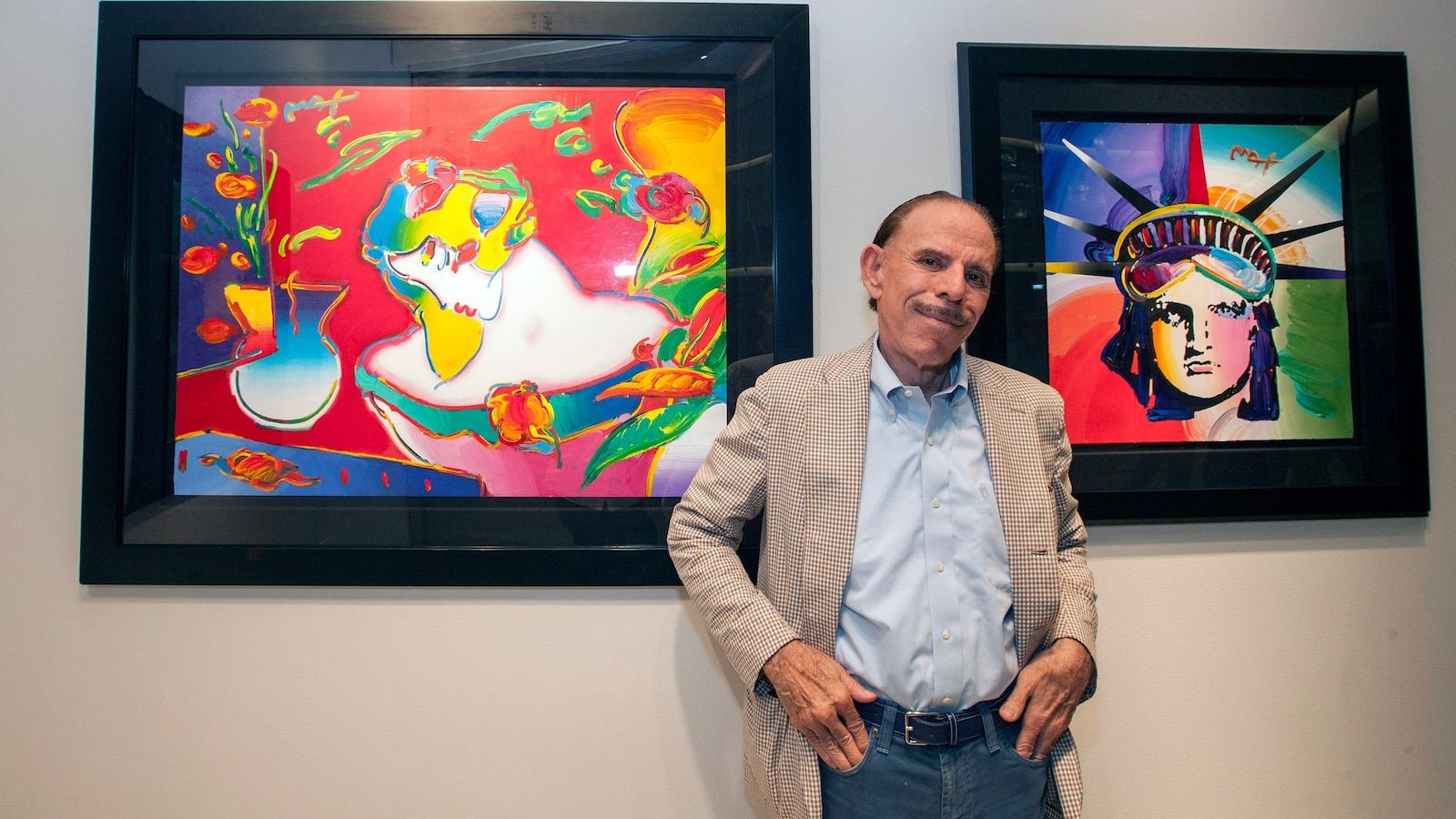
Max pursued formal art education at notable New York institutions such as the Art Students League, the School of Visual Arts, and Pratt Institute. By the early 1960s, he embarked on a career in graphic design, opening a studio that quickly garnered attention for its bold, swirling imagery and vibrant palette. His work captured the optimistic spirit of the 1960s, featuring cosmic themes, floral motifs, and cartoonish figures rendered in striking colors like turquoise, orange, and neon green.
His commercial success was extensive and multifaceted. Max became a cultural fixture, designing art for high-profile events including the Olympics, the Super Bowl, the Indianapolis 500, the World Cup, and the World Series. His designs adorned a wide array of media, from postage stamps to the exteriors of Boeing 777 airplanes and cruise ships. Despite the breadth of his commercial work—encompassing mugs, clothing, and household items—Max expressed a desire to return to painting as his primary focus, which led him to temporarily close his studio in the early 1970s.
One of Max’s notable later projects was a series of portraits of the Statue of Liberty, created at the White House at the invitation of First Lady Nancy Reagan in 1981. His colorful and accessible style maintained relevance well beyond the psychedelic era, securing his place as a recognizable figure in American art.
While Max’s art was widely embraced by popular culture, his career was not without controversy. In 1997, he pleaded guilty to tax fraud related to unreported income exceeding $1 million. The resulting sentence included work-release, fines, and community service focused on teaching art in Harlem schools. In the mid-2010s, Max's personal life drew media attention due to legal disputes involving his family members concerning his care and finances. These issues contrasted sharply with the joyful and vibrant imagery that characterized his artwork.
Max’s artistic legacy extends into museum collections worldwide, including seven pieces held by New York’s Museum of Modern Art. Although often mistakenly credited with the art for the Beatles’ "Yellow Submarine," that work was created by Heinz Edelmann. Max’s connection to the iconic band was more personal, and he contributed early consulting input on the project.
His interests also encompassed Eastern spirituality, notably aiding in the American introduction of yoga alongside figures like Swami Satchidananda Saraswati. Max’s personal life included two marriages, a son named Adam Cosmo, who announced his death, and a daughter, Libra Astro.
Peter Max’s vibrant visuals offered a lens into the optimism and creativity of a transformative era in American culture. His son emphasized that beyond the public persona and artistic achievements, it was the warmth and humanity of the man himself that left the deepest impression. As the art world and popular culture reflect on his passing, Max’s distinctive use of color and form continues to inspire and evoke a sense of boundless possibility.
Full story & global impact
This article was synthesized and rewritten by MusicTop Editorial from reporting published by huffpost.com. Read the publisher's report for the complete source context.
Read original source: huffpost.com