Which Screen Is the ‘Good Screen’ Now?
Published August 2, 2026 · LATINO
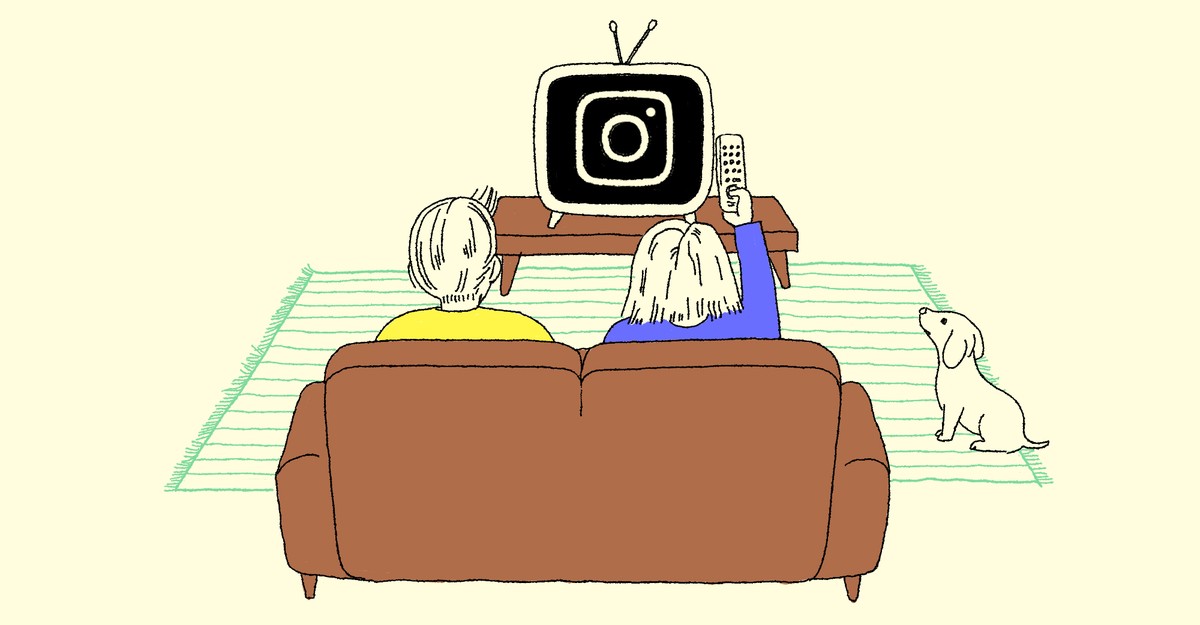
Instagram TV brings the endless scroll to your television.
Instagram's venture into television represents a strategic effort to redefine digital video consumption by bringing its signature endless scroll experience from handheld devices to the living-room screen. This move signals the platform's ambition to challenge established streaming giants by merging social media's personalized feeds with traditional TV viewing.
The company has introduced a dedicated app for various streaming devices, augmenting it with features designed to encourage shared viewing among friends and family. By translating Instagram's “For You” algorithmic feed into a format suitable for large screens, the platform aims to transform typically private, on-the-go browsing into a communal household activity.
Related stories
 Bryan Adams slated for woke new song Lake Ontario which sees him brand Trump 'a baby tossing toys from the pram' while blasting president over Epstein files
 Which Songs Enter Public Domain in 2026? What to Know
From LISA to Miley Cyrus, John Mayer & More, Which New Music Release Is Your Favorite This Week? Vote!
This shift reflects evolving perceptions about screen usage that have developed notably since the onset of the COVID-19 pandemic. Early notions of “good” and “bad” screens have inverted; where smartphones were once beloved personal hubs, many now view televisions as safer, more wholesome viewing environments. Instagram’s TV app capitalizes on this dynamic, offering an alternative to the compulsive, isolated scrolling often associated with phones.
Experiential accounts highlight a complex relationship with this new format. Users report moments of connection and amusement when sharing their Instagram feeds on the TV, often discovering content that resonates across generational divides or sparks laughter through familial anecdotes. However, the unpredictable nature of algorithmically driven recommendations can introduce content that feels incongruous or uncomfortable in a shared setting.
Experts in media and cultural studies suggest that while communal scrolling introduces a new form of social engagement, it also exposes the tension between private digital habits and public consumption. The algorithm's broad content swings, intended to test user interests, may challenge the suitability of certain videos for group viewing, potentially limiting the app’s appeal in living-room environments.
Instagram maintains that its TV app employs the same recommendation engine as its mobile counterpart, with minor adjustments favoring horizontal video formats to better suit television displays. Additionally, users can select curated “channels” tailored to specific interests, allowing for a more controlled and thematic viewing experience that might mitigate concerns about inappropriate or overly diverse content.
Academics observe that Instagram's expansion onto television screens might elevate the cultural status of short-form videos by associating them with the traditional, communal act of watching TV. Yet, this strategy has potential drawbacks; for some users, accessing Instagram via less intimate platforms like desktop browsers has served as a deterrent, prompting reduced engagement. Transferring the experience to an even larger and less personal screen may either normalize consumption or conversely intensify efforts to disengage.
Real-world trials demonstrate mixed results. While some users find the shared viewing enjoyable and bonding, others quickly tire of the novelty, retreating to the privacy of their phones for more personalized and controlled interaction with the app. This duality underscores the ongoing negotiation between digital convenience, social sharing, and personal boundaries in media consumption.
In sum, Instagram's television app embodies a nuanced attempt to reshape digital engagement by blending social media’s immediacy with the collective nature of traditional TV viewing. Its success will depend on how well it balances algorithmic personalization with the social dynamics of shared screens, as well as users’ evolving attitudes toward the devices that mediate their digital lives.
Full story & global impact
This article was synthesized and rewritten by MusicTop Editorial from reporting published by theatlantic.com. Read the publisher's report for the complete source context.
Read original source: theatlantic.com