Brazilian voters heading to the poll this weekend say Lula is turning the country into ‘another Venezuela’
Published October 3, 2026 · LATINO

This election is turning into a Carnaval.
Brazil is preparing for a pivotal presidential election this weekend, with nearly 159 million voters casting ballots in a contest that underscores the nation’s deep political and economic divisions. The incumbent, Luiz Inácio Lula da Silva, known simply as Lula, seeks a fourth term amid growing dissatisfaction from segments of the electorate weary of his party’s long tenure.
Lula’s political journey reflects the complexities of Brazil’s recent history. Emerging from humble origins in the impoverished Northeast, he rose to prominence as a metalworker and union leader. His early bids for presidency in 1989, 1994, and 1998 were unsuccessful, despite resonating with many young Brazilians disillusioned by decades of dictatorship and military rule. His eventual victory in 2002 marked the beginning of two consecutive terms, during which he sought to address entrenched inequalities. After a hiatus, Lula returned to power with a third term win in 2022, even as his legitimacy remained contested due to corruption charges.
Related stories
‘O Projeto’ Directors on Walter Salles’ Support and Screening Poetic Doc About Colonialism Ahead of ‘Dramatic’ Brazilian Elections That Offer a ‘Choice Between Good and Evil’
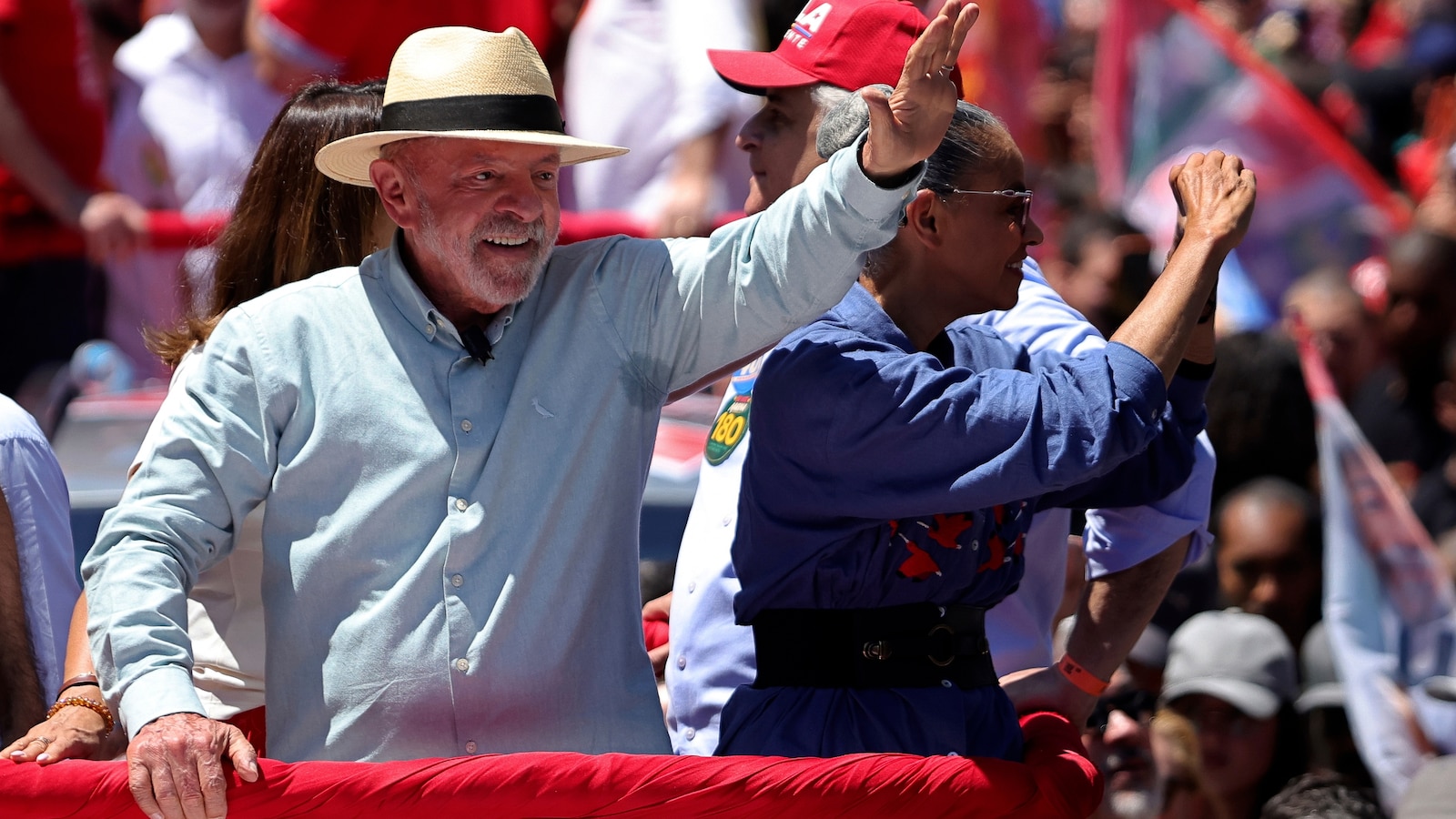 Brazilians will vote in a highly polarized presidential race on Sunday. Here’s what to know
The conviction against Lula in 2018, related to allegations of accepting bribes from construction firms, resulted in imprisonment. However, the Supreme Court later allowed him to appeal, and the accusations were framed by his supporters as politically motivated. Despite this, Lula retained a loyal base that viewed him as a champion for the working class. Today, however, that support appears to be waning, particularly among younger voters who have grown skeptical of his leadership.
Opposing Lula is Flávio Bolsonaro, a right-wing senator and son of former President Jair Bolsonaro. Flávio’s candidacy is mired in controversy, including ongoing investigations into alleged financial misconduct involving campaign financing. Meanwhile, Jair Bolsonaro himself faces a severe legal predicament, serving house arrest linked to an attempted coup following his 2022 election defeat.
The ideological divide between Lula and Bolsonaro’s camp is stark. Critics of Lula accuse him of steering Brazil toward economic instability and political authoritarianism akin to Venezuela or Nicaragua, while his defenders argue that his policies aim to restore social equity and counteract foreign economic pressures. Inflation in Brazil has stabilized somewhat around 4% annually, yet affordability remains a pressing challenge for many citizens, with reports emerging of consumers resorting to credit-based installment payments for basic goods.
Polls indicate a tight race. DataFolha’s recent survey shows Lula holding a narrow lead with 40% support, while Flávio Bolsonaro remains a formidable contender. Should no candidate secure an outright majority, a runoff election is scheduled for late October. Campaign strategies have intensified accordingly, with Lula leveraging cultural icons like Bad Bunny to appeal to voters and critiquing international trade practices, including U.S. tariffs he claims hamper Brazil’s economy.
Public sentiment reveals a complex landscape. Some long-time supporters of Lula express reluctance at the ballot box, torn between dissatisfaction with the current administration and skepticism about Bolsonaro’s faction. The younger demographic, once a stronghold for Lula’s Workers’ Party, is now showing increased alignment with right-wing ideologies, reflecting shifting priorities and frustrations.
Brazil’s election encapsulates broader regional tensions, as the country positions itself as a leading leftist force in Latin America amidst shifting alliances and authoritarian concerns in neighboring nations. The outcome will not only determine Brazil’s policy direction but also signal the continent’s evolving political currents.
As voters prepare to decide, the election represents more than a contest between individuals; it is a referendum on competing visions for Brazil’s future amid economic challenges and social transformation. The stakes are high, and the results will shape the country’s trajectory in the years to come.
Full story & global impact
This article was synthesized and rewritten by MusicTop Editorial from reporting published by nypost.com. Read the publisher's report for the complete source context.
Read original source: nypost.com