Peals – Le Pantoum 46 / The Compound 76 (2026)
Published July 30, 2026 · US

Peals — the Baltimore duo of William Cashion (Future Islands) and Bruce Willen (Double Dagger) — return with twin releases via Thrill Jockey: The Compound 76 and Le Pantoum 46. Both albums document live performances in artist-run rooms separated by three year…
Baltimore-based experimental duo Peals, consisting of William Cashion of Future Islands and Bruce Willen of Double Dagger, are set to release two complementary live albums through Thrill Jockey, titled The Compound 76 and Le Pantoum 46. These recordings offer listeners a rare glimpse into the band's evolving minimalist soundscapes across different moments in their career.
Le Pantoum 46 captures a 2013 performance at Le Pantoum, a longstanding DIY venue in Quebec City known for its intimate and artist-centered environment. This show took place during a North American tour alongside Small Sur, shortly after Peals released their debut album Walking Field. Notably, Andy Abelow, then a member of Small Sur, joined Peals on stage, contributing saxophone on tracks originally from Walking Field such as "Blue Elvis" and "Floating Leaf." This collaboration marked the beginning of ongoing creative exchanges that would feature on future Peals projects.
Related stories
 Arkansas officials took just 1.62 acres from a family trust's land and initially valued the loss at $417,825; after an 11-year fight over road access, an appeals court upheld a $3 million jury award
 A Georgia couple won a $37 million jury verdict after their three-year-old son died during hospital treatment, but a judge cut it to $2 million; an October 28 appeals ruling now raises the judgment to $3 million
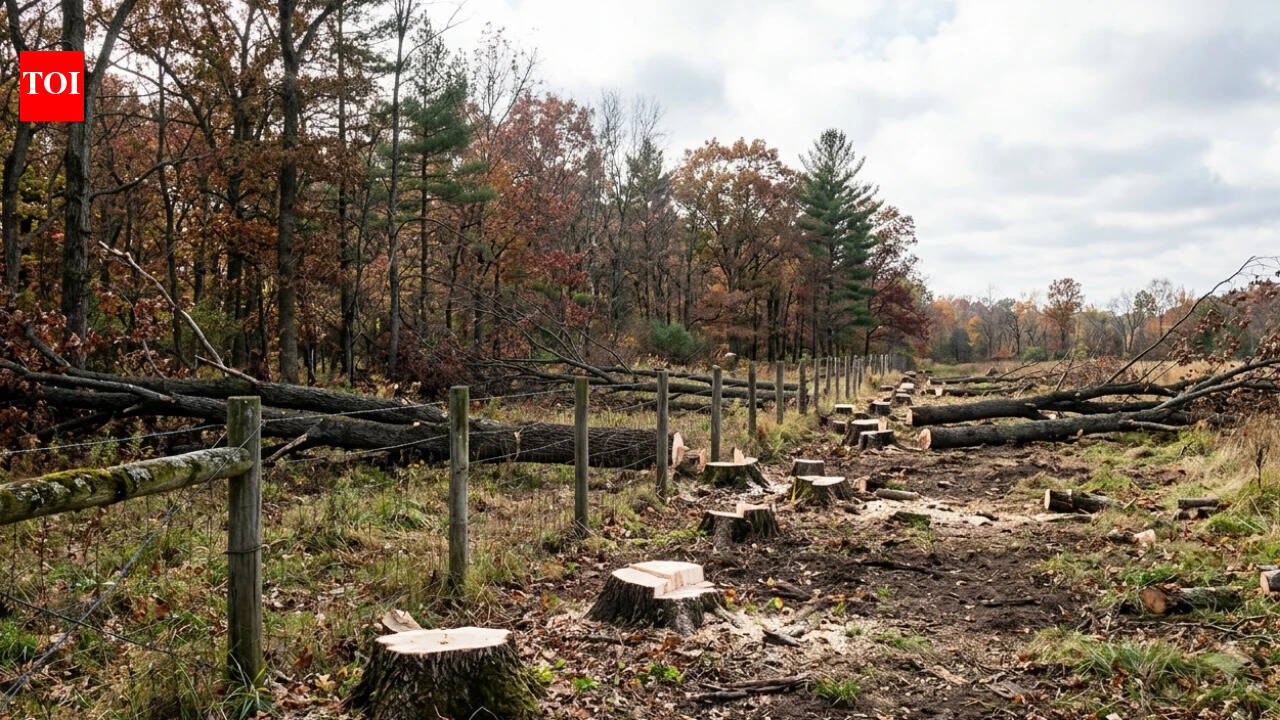 In 2015, a Kansas neighbour building a boundary fence cut 133 trees, some as far as 70 feet inside the adjoining land; 11 years later, an appeals court has upheld the landowner’s $6,500 damages award
The setting of Le Pantoum provided a distinctive atmosphere that shaped the performance. Unlike the typical loud rock venues, Peals embraced what has been described as an intentionally subdued and sparse approach. They began sets at whisper-quiet volumes and employed minimal instrumentation to engage audiences on a deeper level, encouraging attentive listening. The reception in Quebec City was notably receptive, reflecting a moment before the ubiquity of social media disrupted traditional concert experiences, and the venue itself adapted organically to the band's subtle sonic presence.
Three years later, in September 2016, Peals returned with The Compound 76, documenting one of their final shows before entering an extended hiatus, which the band hopes will last no more than a decade. This 38-minute set was recorded in a different context and location, yet retained the intimate spirit characteristic of their performances. The duo utilized a simple stage prop—a thrift-store table lamp placed centrally between them—to evoke the cozy ambiance of a living room rather than a conventional concert hall.
The Compound 76's musical content reflects a broader palette of influences, weaving in elements reminiscent of krautrock pioneers like Manuel Göttsching’s E2-E4, as well as the experimental textures of Cluster and Brian Eno’s Cologne performances. Additionally, the album hints at American roots traditions, subtly incorporating echoes of spirituals and Appalachian banjo motifs within their guitar work. This blend illustrates Peals' capacity to transcend genre boundaries while maintaining a coherent sonic identity.
These twin releases highlight a period of artistic exploration for Peals, emphasizing live spontaneity and the interplay between performer and space. The contrast between the two albums—both in recording locations and temporal distance—underscores the duo's evolving relationship with their music and audience.
The Compound 76 and Le Pantoum 46 deepen the understanding of Peals’ experimental approach, showcasing their method of transforming unconventional venues into immersive listening environments. They also document a phase in the band’s trajectory marked by collaboration, introspection, and an unwavering commitment to dynamic, quiet intensity.
While details about the exact venues and specific track listings remain limited, these albums solidify Peals' reputation as innovators within the experimental music scene. Their work not only challenges standard concert formats but also invites listeners to engage with sound in a nuanced and contemplative manner, reaffirming the duo’s distinctive artistic vision.
Full story & global impact
This article was synthesized and rewritten by MusicTop Editorial from reporting published by exystence.net. Read the publisher's report for the complete source context.
Read original source: exystence.net