In 1977, Carl Sagan and Frank Drake sat in a Cornell office arguing over what to put on the Voyager Golden Record, and among the greetings in 55 languages, the whale song, and the Bach they included the sound of a young woman’s brainwaves recorded while she thought about being in love.
Published August 9, 2026 · US
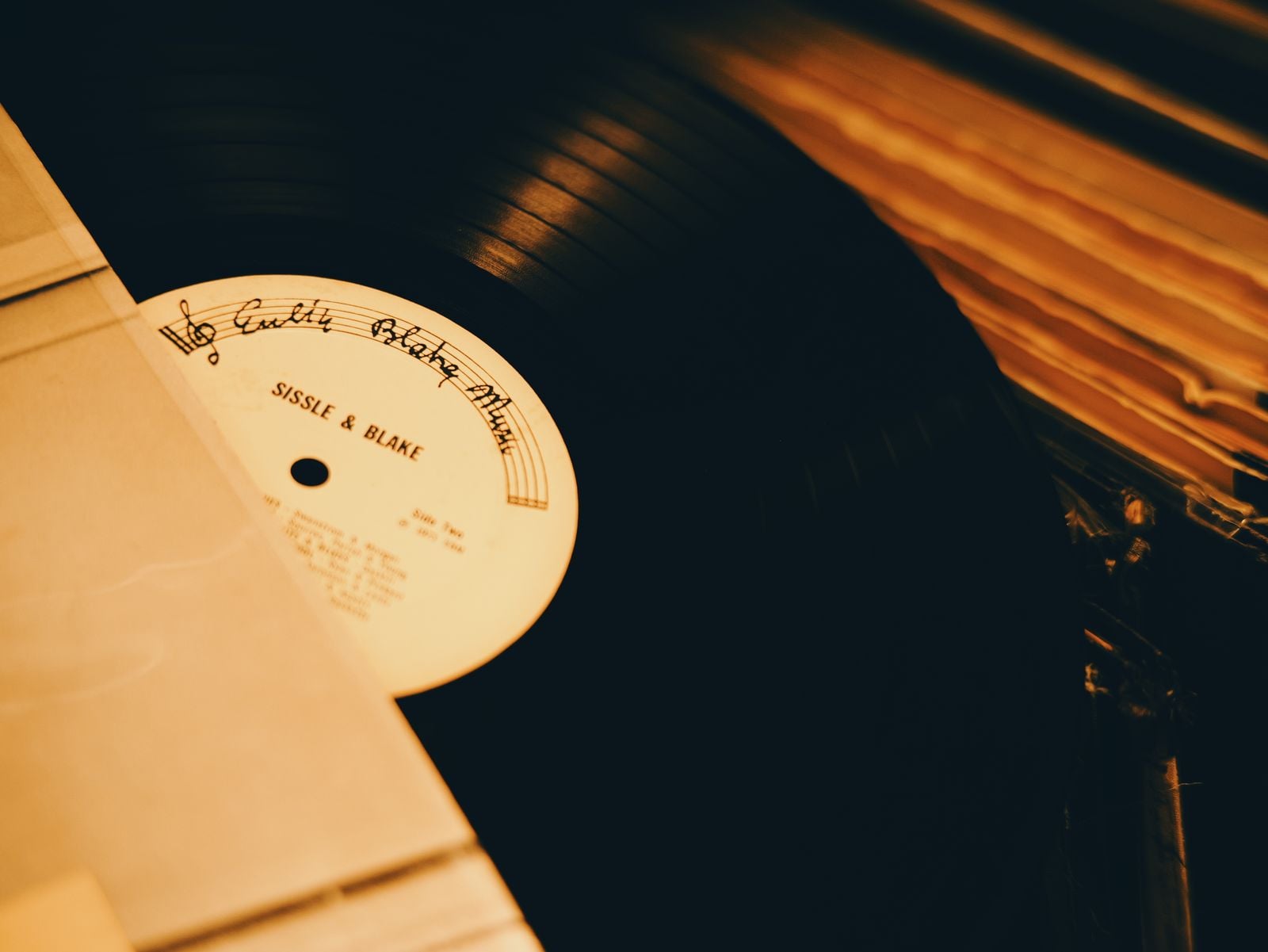
In 1977, Ann Druyan recorded an hour of her brainwaves at Bellevue Hospital days after agreeing to marry Carl Sagan. A compressed minute of that recording now rides both Voyager spacecraft into interstellar space. The post In 1977, Carl Sagan and Frank Drake …
In June 1977, the Voyager spacecraft prepared for launch with a unique time capsule: the Golden Record, a collection of sounds and images intended to represent humanity to any extraterrestrial intelligence that might encounter it. Among the diverse contents, a particularly intimate and scientifically intriguing inclusion was the compressed recording of brainwaves from Ann Druyan, then 27, who was deeply involved in the project and had just agreed to marry astronomer Carl Sagan.
The Golden Record project was a collaborative effort led by a team including Carl Sagan, Frank Drake, Timothy Ferris, Jon Lomberg, and Druyan herself. Their task was to assemble a message that could encapsulate the essence of Earth and its inhabitants within a tight launch window of less than six weeks. The record, a gold-plated copper disc designed to withstand the harsh conditions of space, holds an array of terrestrial sounds, music, greetings in 55 languages, and encoded images.
Related stories
 Of the 27 songs NASA sent into space aboard the Voyager Golden Record in 1977, one is a Georgian song called Chakrulo, sung by two soloists over a full choir in harmonies tuned to intervals that don’t exist on a piano — and this November, the spacecraft carrying it becomes the first human-made object ever to travel a full light-day from Earth
 Iconic Valley diner that opened in 1977 to permanently close: ‘Nothing good lasts anymore’
 Blondie Posing for a Portrait Session With the Hollywood Sign in Los Angeles, California in 1977
Ann Druyan’s contribution was unprecedented: she volunteered to have her brain's electrical activity recorded as an EEG (electroencephalogram) and other physiological signals during a one-hour session at Bellevue Hospital in New York. The recording captured the neural and cardiac rhythms as she mentally contemplated Earth’s history and her feelings of love shortly after committing to marry Sagan. This personal neurological snapshot was compressed into about a minute of audio and etched into the grooves of the Golden Record.
The inclusion of brainwaves was a deliberate artistic and scientific choice. While language or music might be unrecognizable to an alien civilization, the electrical patterns of a functioning human brain could serve as a universal signature of life and consciousness. Although the recording does not allow for decoding of specific thoughts, it symbolizes the inner workings of a human mind and body, adding a profoundly personal dimension to the otherwise collective portrayal of humanity.
The Golden Record’s audio selection spans a wide spectrum, from classical compositions such as Bach’s Brandenburg Concerto No. 2 and Mozart’s Magic Flute to diverse cultural pieces like a Georgian folk song and traditional shakuhachi flute music. It also features sounds of nature—whale songs, thunder, the surf—and human experiences including a kiss and a mother speaking to her newborn. The variety was chosen to reflect the diversity and richness of life on Earth.
The project faced numerous challenges, including the need to fit all content into the limited space available on the disc and navigating cultural sensitivities, such as NASA’s refusal to include certain images. Notably, despite popular lore, the Beatles’ music was never seriously considered for inclusion due to rights issues and practical considerations.
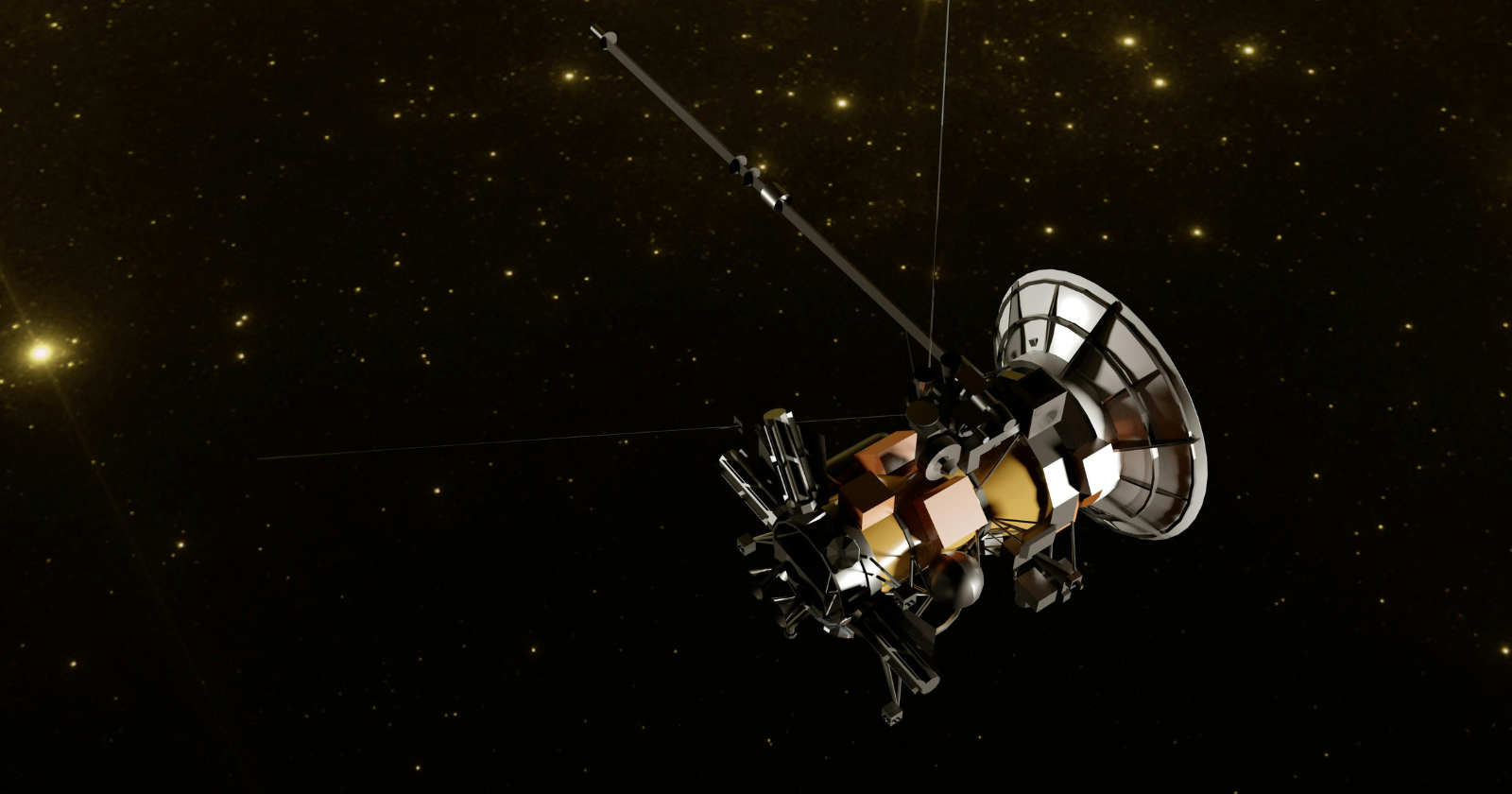
Voyager 1 and Voyager 2, each carrying a Golden Record, were launched in 1977 and are now the most distant human-made objects in space. Voyager 1 crossed into interstellar space in 2012 and continues to travel outward at around 61,000 kilometers per hour. Although the spacecraft’s power systems are gradually diminishing, the Golden Records themselves are built to endure for millions of years, preserving a sonic and visual snapshot of humanity long after the spacecraft cease operations.
The brainwave recording aboard Voyager remains a solitary, frozen echo of a specific moment in 1977, captured from a woman on the cusp of a life-changing event and embedded in a message designed for an unknown audience far beyond Earth. This unique artifact underscores the blend of science, art, and human emotion that defined the Golden Record, representing not only a greeting to potential extraterrestrials but also a profound reflection on humanity’s place in the cosmos.
While the chances of the Golden Record being found by other civilizations are astronomically slim, its creation reflects a powerful human desire to communicate and leave a legacy beyond our planet. Ann Druyan’s brainwaves are a testament to this spirit, a subtle but enduring imprint of human consciousness journeying through the void of space.
Full story & global impact
This article was synthesized and rewritten by MusicTop Editorial from reporting published by spacedaily.com. Read the publisher's report for the complete source context.
Read original source: spacedaily.com