BTS: The Science of Choosing to Be Present
Published September 30, 2026 · US
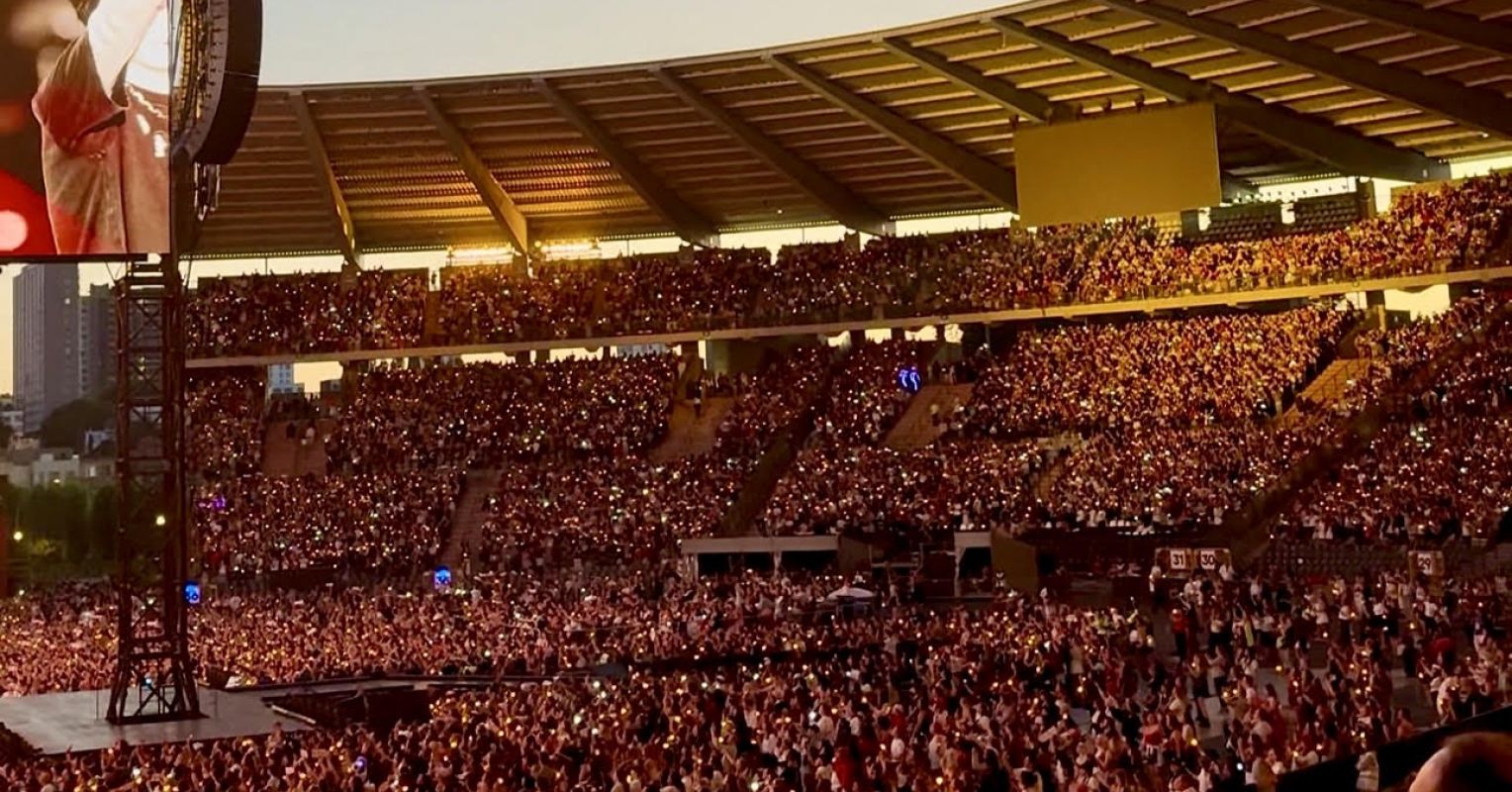
More than half of all concert-goers admit they prioritise filming over being present. Most will rarely revisit those videos. Here's how BTS got more than 50,000 people to put their phones down.
During their recent world tour, BTS adopted a notable approach to the pervasive issue of smartphone use at live concerts. Rather than imposing strict restrictions or confiscating devices, the band simply invited attendees to put their phones down at the start of their show, particularly during the opening number. This invitation was met with widespread compliance, creating a unique shared experience for tens of thousands of fans in venues such as Brussels.
This phenomenon stands in contrast to common concert behavior, where a significant portion of audiences prioritize recording performances over fully immersing themselves. Studies indicate that more than half of younger concert-goers admit to focusing on filming rather than presence. Curiously, many of these recordings are seldom revisited. Moreover, surveys suggest that the majority of attendees believe their enjoyment would increase if they disconnected from their devices.
Related stories


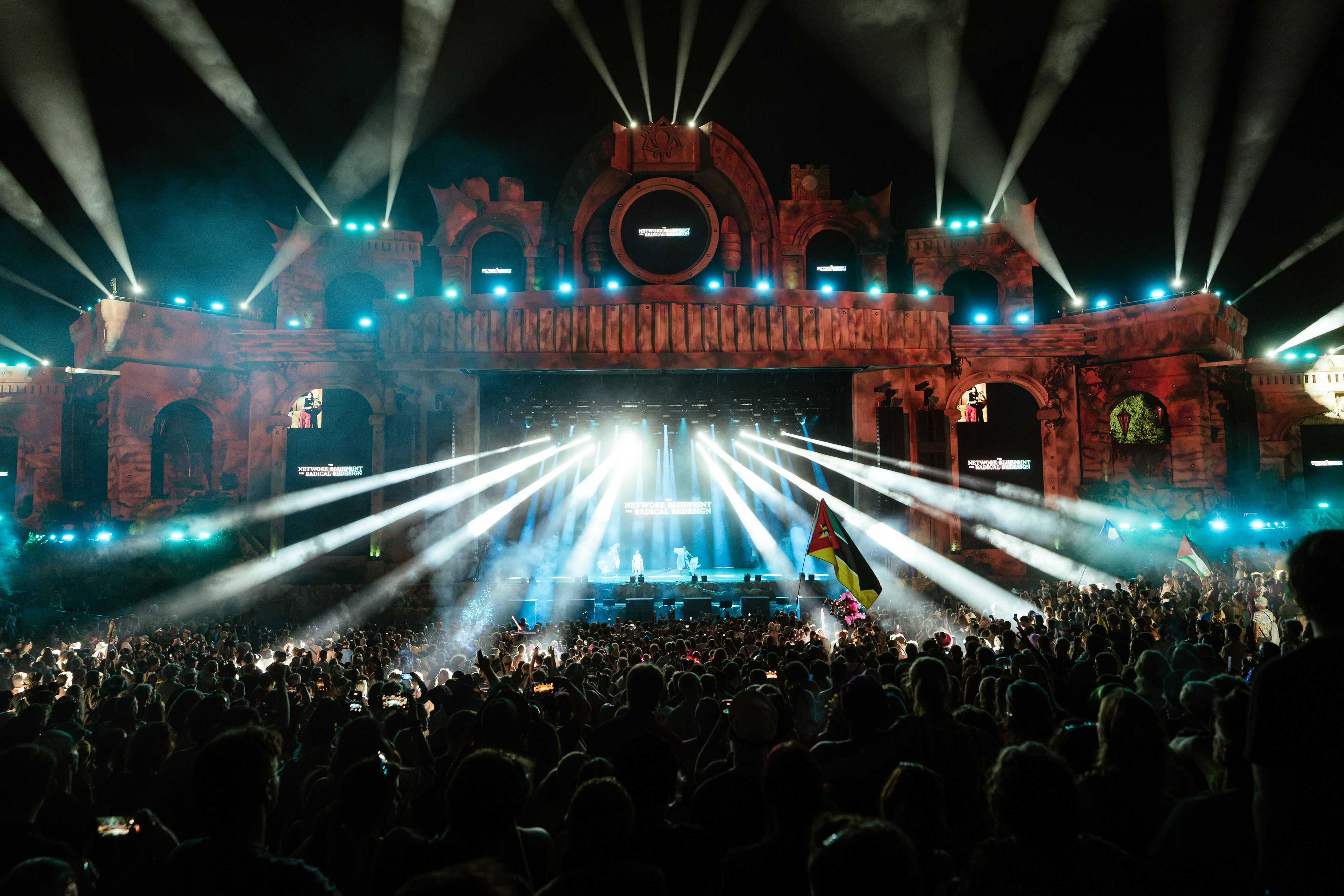
Scientific research underscores the benefits of physical attendance and undistracted engagement. Comparative studies between live audiences and simultaneous livestream viewers reveal that those physically present report stronger emotional reactions and a greater sense of connection to the music and fellow spectators. These findings highlight the unique psychological and physiological impact of shared, in-person events.
The key element appears to be social presence—the awareness of others experiencing the same moment—which amplifies feelings of connection and wellbeing. When a large crowd collectively chooses to disengage from their phones, the experience transforms from a collection of individuals into a cohesive community.
Previous attempts to manage phone use at concerts have often involved removing choice, such as locking devices in pouches or creating designated phone zones. However, these measures sometimes provoke resistance due to psychological reactance, where people push back against perceived restrictions on their freedom.
BTS’s strategy cleverly sidesteps this by framing the request as an invitation rather than a mandate. This subtle but significant difference respects audience autonomy and aligns with research suggesting people are torn between the desire to capture moments and the wish to be fully present.
The motivation behind recording concerts is complex. While social media sharing plays a role, many attendees use their phones as a means to preserve fleeting experiences, effectively creating a digital memory aid. However, this preservation effort can paradoxically diminish the immediate enjoyment by diverting attention to screens rather than the live event.
The collective phone-down moment orchestrated by BTS thus serves as a reminder that memories can be formed without digital intermediaries. This shared decision enhances social identity within the crowd, fostering a sense of belonging even among strangers united by the music.
Ultimately, BTS’s approach highlights an evolving relationship between technology, memory, and live entertainment. The choice to disengage from devices does not negate the desire to remember; instead, it reframes how memories are made, privileging direct experience and communal connection over mediated documentation.
While further data on the long-term impact of this method remains limited, the Brussels concert demonstrated the potential for artists to influence audience behavior positively. By offering fans permission rather than restriction, BTS illuminated new pathways for experiencing live music in the digital age.
Full story & global impact
This article was synthesized and rewritten by MusicTop Editorial from reporting published by psychologytoday.com. Read the publisher's report for the complete source context.
Read original source: psychologytoday.com