Will Young discusses importance of song choice in shows
Published October 2, 2026 · US

Will Young, the first winner of Pop Idol, has said that giving singers more control over their song choices could make a talent show with a similar format successful in the modern day.
Will Young, renowned as the inaugural winner of the early 2000s talent competition Pop Idol, has revisited the significance of contestant autonomy in song selection, linking it to the authentic appeal the show maintained during its run. The artist, known for hits such as "Leave Right Now" and "Evergreen," credits the platform's openness to diverse musical choices as a critical factor in its resonance with audiences.
During Pop Idol's original broadcast between 2001 and 2002, contestants were empowered to select songs freely, a practice that Young contends allowed participants to present a genuine representation of their musical tastes and identities. This approach, he asserts, was instrumental in nurturing individuality at a time when the broader music industry often imposed restrictive images and expectations on emerging artists.
Related stories
This Will Destroy You, Avantasia e Obscura al KaPtura Festival: il prog e il metal estremo conquistano la scena
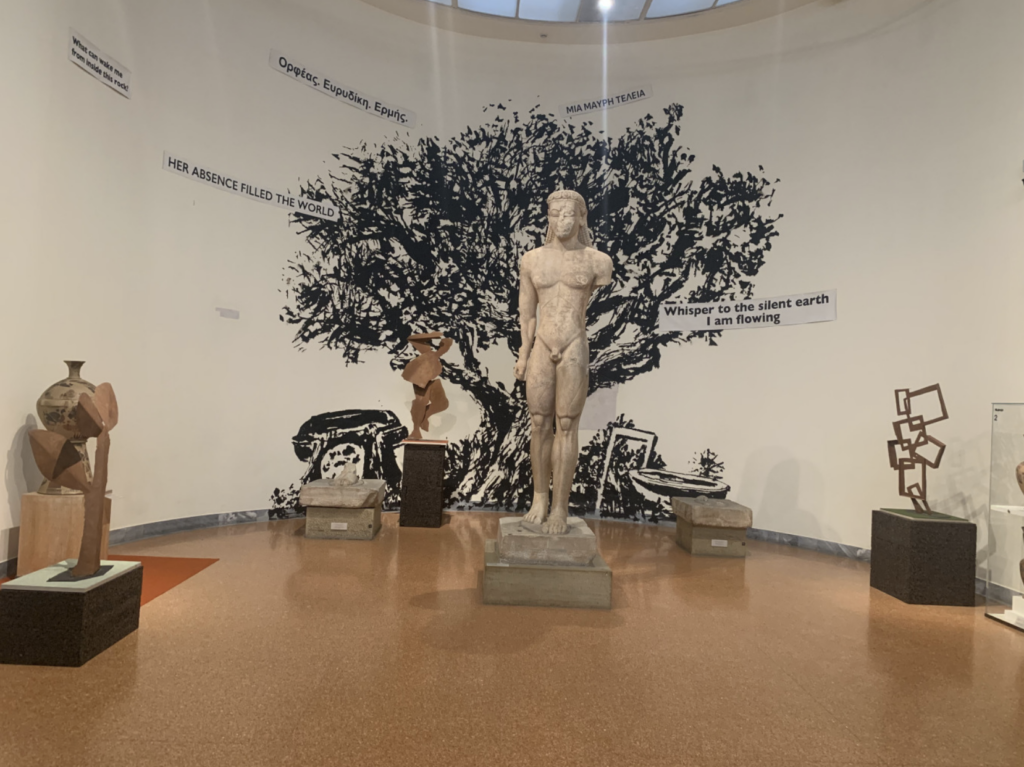 William Kentridge’s Orpheus exhibition opens at Greece’s National Archaeological Museum
Young's reflections draw a contrast with the evolution of televised singing competitions that followed. He points out that subsequent shows, notably The X Factor which debuted in 2004 and concluded in 2018, introduced heightened levels of production control and mentorship. These later formats frequently involved last-minute song changes and technical enhancements such as autotune, which, according to Young, diluted the organic nature of the performances.
In recounting his experience, Young emphasizes that Pop Idol’s structure, devoid of heavy-handed intervention, permitted a rich variety of musical expressions. His own repertoire on the show spanned genres and eras—from Motown classics to rock staples by The Doors and the soulful stylings of Aretha Franklin—demonstrating the latitude afforded to contestants in shaping their on-stage personas.
Crucially, Young also highlights the impact this freedom had on his personal journey. He suggests that the show's environment allowed him to maintain authenticity in ways that might not have been possible within conventional record label contracts, which often demanded image alterations and rebranding, including pressures related to his sexual orientation.
Following his victory on Pop Idol, Young achieved significant commercial success, securing multiple UK number one singles and albums. His debut album, "From Now On," and subsequent releases solidified his position within the UK music landscape. Throughout his career, he has sustained a connection with audiences across the UK and Ireland, performing in notable venues such as Dublin's Olympia and The Point in the mid-2000s.
As he prepares for The Evergreen 25th Anniversary Tour scheduled for early next year, with dates in major cities including Manchester, Glasgow, London, and Cardiff, Young continues to underscore the enduring value of artistic control that began with his Pop Idol experience. Tickets for the tour are currently available through his official channels.
Young’s insights contribute to ongoing discussions about the format and philosophy of televised music competitions. His perspective suggests that fostering an environment where contestants can exercise their song choice autonomy may be key to reviving the authentic appeal that early talent shows like Pop Idol successfully captured.
While details concerning potential future iterations of similar talent show formats remain limited, Young’s reflections offer a valuable framework for understanding how contestant empowerment can influence both performance quality and viewer engagement in reality music television.
Full story & global impact
This article was synthesized and rewritten by MusicTop Editorial from reporting published by rte.ie. Read the publisher's report for the complete source context.
Read original source: rte.ie