Arlene Smith, lead singer of pioneering '50s girl group the Chantels, dies at 84
Published July 30, 2026 · WORLD

One of the first “girl group” stars has died
Arlene Smith, the influential lead singer of the Chantels, one of the pioneering girl groups of the 1950s, died at the age of 84 in a New York City hospital due to a heart attack, according to her longtime manager Paul Errante.
Smith emerged as a teenage talent during an era when male vocal harmony groups dominated the burgeoning rock ’n’ roll scene. The Chantels, however, helped break racial and gender barriers by becoming one of the first Black female ensembles to achieve significant commercial success. Their signature song, “Maybe,” recorded in 1957 and released in 1958, became a landmark of the doo-wop genre, reaching the Top 20 and eventually surpassing one million copies sold.
Related stories
 ‘Darlene Love: I Know Where I’ve Been’ Review: A Stirring Pop Doc Traces How the Great Singer of ‘He’s a Rebel’ and Other Classics Reclaimed Her Name
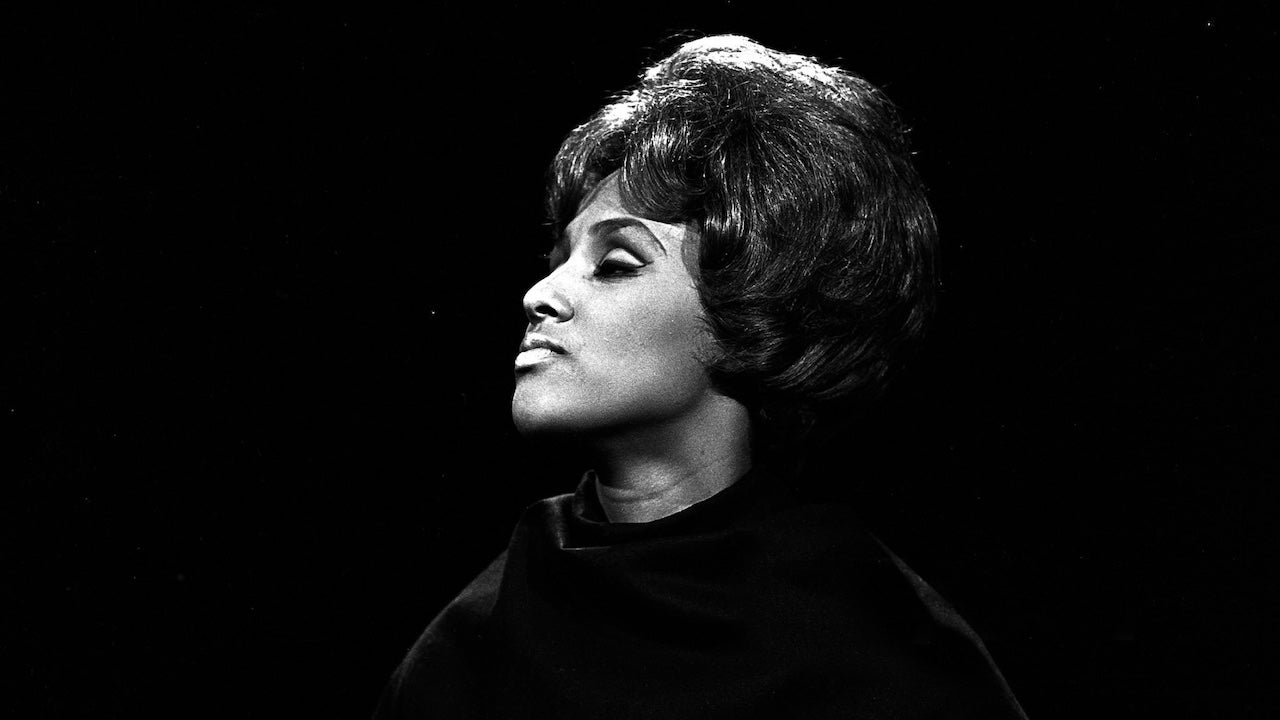 ‘Darlene Love: I Know Where I’ve Been’ Review: Classic Singer Gets a Movie Where She’s Not in the Background
 Arlene Smith Dead: Chantels Lead Singer Was 84
The track’s raw and emotive quality, marked by Smith’s earnest lead vocals, was recorded under challenging conditions in a makeshift Manhattan church studio. Despite the difficulties, “Maybe” captured a youthful longing that resonated widely, inspiring later covers by artists like Janis Joplin and the Three Degrees. The Chantels’ impact was formally recognized years later with their induction into the Vocal Group Hall of Fame in 2002 and the inclusion of “Maybe” on Rolling Stone’s list of the 500 greatest songs in 2003.
The Chantels were trailblazers who carved out a space for girl groups in the male-dominated music landscape of the 1950s. Their success helped pave the way for the girl group explosion of the 1960s, which featured acts such as the Shirelles, the Ronettes, and the Crystals. Music critic Tim Riley has noted that their presence challenged conventional expectations around doo-wop and expanded cultural possibilities by demonstrating that young women could hold their own on the charts and stages.
Despite their breakthrough, the Chantels faced the systemic challenges of the era, including the erasure of Smith’s songwriting credits on “Maybe” and racialized marketing decisions that downplayed their identity, such as substituting their image on album covers with white models. These obstacles reflected broader social tensions and inequities in the music industry during the 1950s.
Smith’s early years were steeped in music, singing alongside her schoolmates Sonia Goring, Renée Minus, Jackie Landry, and Lois Harris in the Bronx. They originally bonded over church choir training and took their group name from a local rival school. Their intricate harmonies, influenced in part by Gregorian chant techniques, distinguished them from their contemporaries.
The Chantels’ career gained momentum after producer Richard Barrett introduced them to End Records’ George Goldner, leading to their first single, “He’s Gone,” followed by the breakout hit “Maybe.” Their touring roster included legendary performers such as Chuck Berry and Ike and Tina Turner, exposing them to a wide array of audiences.
Smith left the group in 1959 amid the collapse of their record label and briefly collaborated with producer Phil Spector, recording the single “Love, Love, Love.” However, sustained commercial success eluded her, and by the 1970s, she was performing with a new configuration of singers under the Chantels’ name, estranged from the original members.
Later in life, Smith pursued academic achievements, earning a master’s degree in education and dedicating herself to teaching music in New York City elementary schools. She retired from public performance in the early 2000s and remained unmarried without children, as reported by her manager.
Arlene Smith’s legacy lies not only in her distinctive voice and memorable hits but also in her role as a pioneer who helped redefine the possibilities for female vocal groups during a transformative period in American music history. The Chantels’ story highlights the intersection of talent and perseverance amid the cultural and racial dynamics of mid-20th-century America.
Details surrounding Smith’s passing remain limited beyond the confirmation of her death from a heart attack. Her contributions to music continue to be celebrated by fans and historians who recognize the Chantels’ foundational place in the girl group tradition.
Full story & global impact
This article was synthesized and rewritten by MusicTop Editorial from reporting published by abcnews.com. Read the publisher's report for the complete source context.
Read original source: abcnews.com