Bands used to ‘break’ on Letterman — now they’re recreating late night on YouTube
Published August 5, 2026 · WORLD
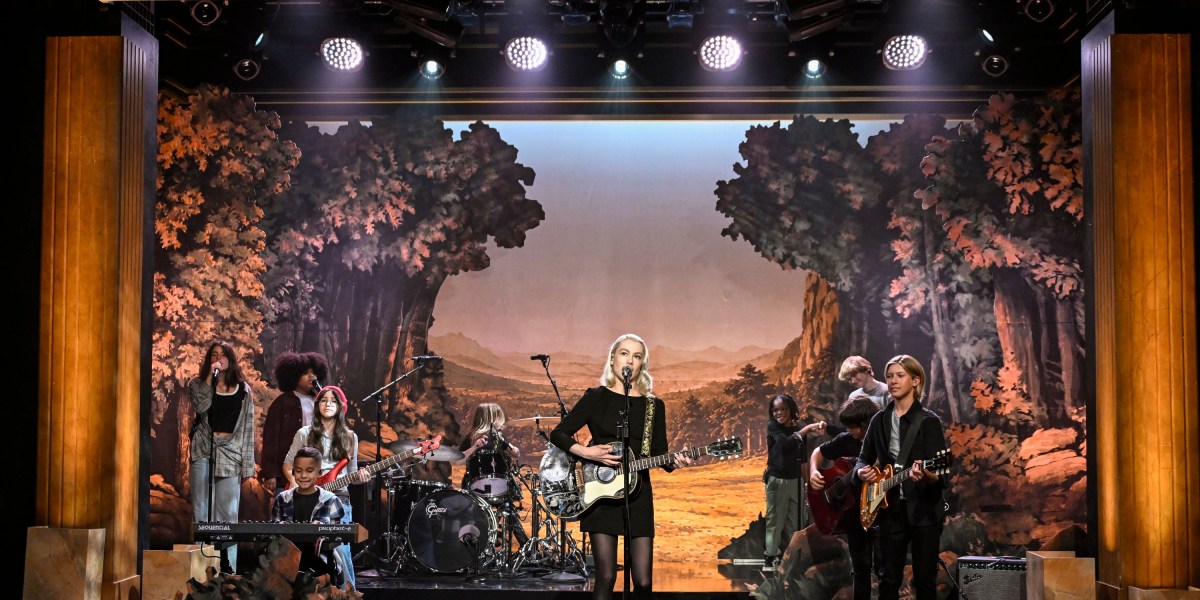
When CBS ended “The Late Show With Stephen Colbert” earlier this year, it also shuttered the program’s robust music offerings — a major blow for artists whose television platform was already dwindling. Performing on late-night has historically been a unique a…
The traditional late-night television stage that once served as a critical launchpad for emerging musical acts is undergoing a significant transformation. The recent discontinuation of CBS's "The Late Show With Stephen Colbert" and the departure of James Corden from "The Late Late Show" have drastically reduced live music opportunities on network TV, leaving artists with fewer mainstream avenues for exposure.
Historically, late-night shows offered invaluable exposure to musicians, from iconic moments like The Beatles on "The Ed Sullivan Show" to more recent breakthroughs such as Future Islands’ 2014 appearance on David Letterman’s program. That performance marked a turning point for the synth-pop band, propelling them from niche underground status into wider recognition and increasing demand for their live shows and festival appearances.
Related stories

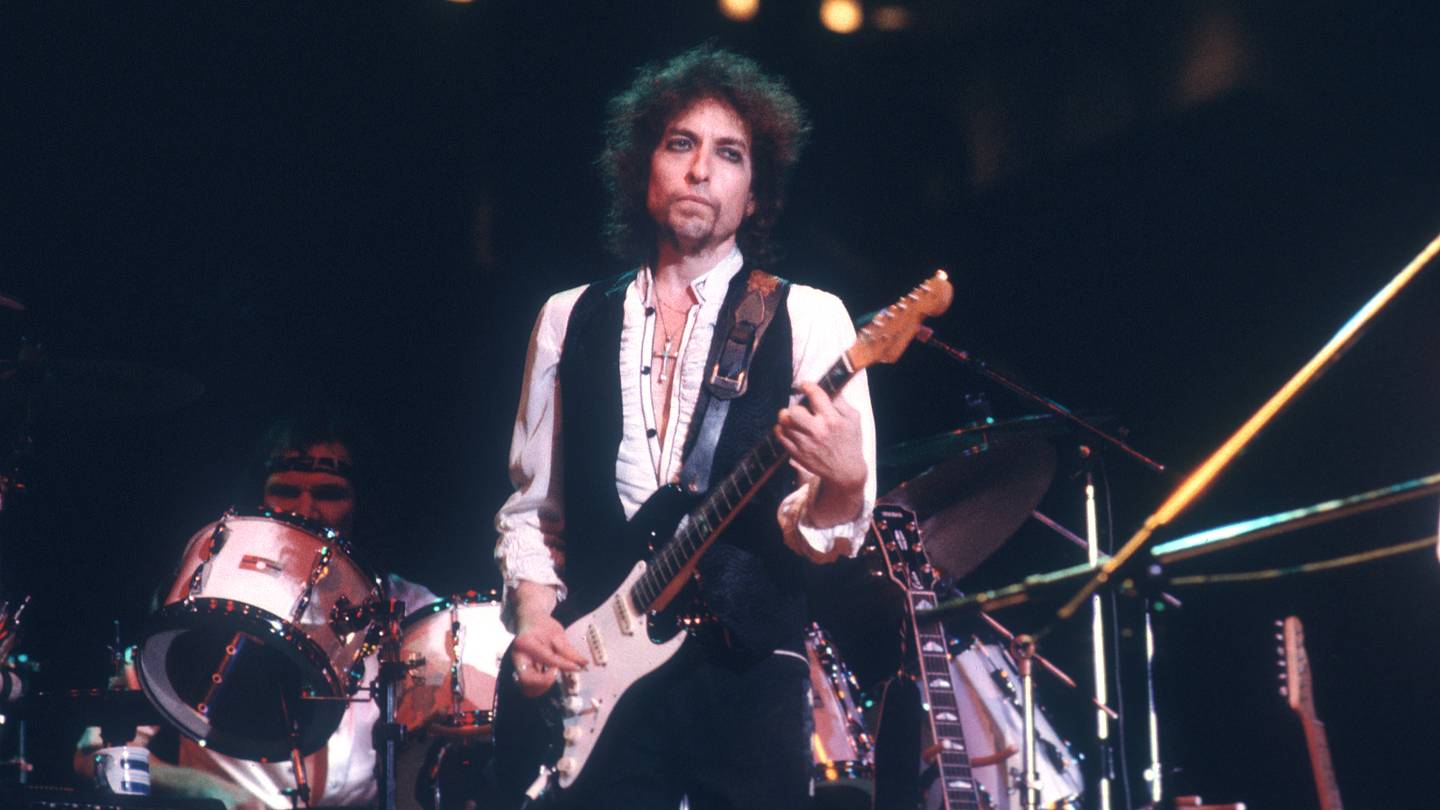

However, the landscape has shifted dramatically in recent years. NBC’s "Late Night With Seth Meyers" has scaled back live music segments, and ABC’s "Jimmy Kimmel Live!" now hosts musical performances only sporadically. Currently, "The Tonight Show Starring Jimmy Fallon" remains the main late-night platform consistently booking live acts. This contraction in televised music slots is particularly challenging for independent and emerging artists, who rely on these appearances to broaden their fan bases and industry visibility.
While traditional late-night TV offers prestige, the decline in such opportunities coincides with a parallel rise in digital platforms as alternative channels for artist discovery. Social media platforms like TikTok have emerged as powerful tools for viral hits, exemplified by artists such as Gigi Perez and Malcolm Todd, whose online popularity has translated into major label deals. Similarly, indie bands like Beach Bunny have leveraged viral moments to secure spots on established TV programs, indicating a growing interplay between digital virality and traditional media.
Music industry insiders acknowledge that the promotional cycle for albums and singles is evolving. Long-form televised performances are increasingly being supplemented or replaced by short-form digital content, though many artists and publicists express concerns about the relative impact of these brief clips compared to the reach and credibility of late-night television.
In response to the shrinking late-night TV opportunities, new digital initiatives are emerging to fill the void. Online shows such as "Outside Tonight," a YouTube-based late-night format featuring live performances from independent artists, represent innovative attempts to recreate the late-night music showcase outside the confines of network television. These productions often emphasize outdoor settings and intimate performances, aiming to cultivate community engagement and authentic exposure.
The music featured on these online platforms tends to spotlight a diverse roster of indie and experimental musicians, providing a crucial outlet for acts that might otherwise be overlooked by mainstream broadcasters. Early episodes of such programs have demonstrated strong audience retention and real-time fan engagement, suggesting that digital formats can foster meaningful connections between artists and listeners.
Despite the rise of these online alternatives, traditional late-night TV appearances remain a coveted milestone, especially for international artists touring the U.S. Landing a spot on programs like "Jimmy Kimmel Live!" can still signify a breakthrough moment, validating the artist’s efforts and amplifying their profile within a competitive industry.
Ultimately, the current media environment reflects broader shifts in how music is marketed and consumed. While late-night television’s role as a musical gateway has diminished, its legacy continues to influence artists’ aspirations. Meanwhile, digital media’s agility and accessibility offer promising new pathways for discovery and fan-building, signaling an ongoing evolution in the channels that define musical success.
Full story & global impact
This article was synthesized and rewritten by MusicTop Editorial from reporting published by fortune.com. Read the publisher's report for the complete source context.
Read original source: fortune.com